







































Solar Stress Skin Care: How to Maintain Healthy Skin in the Sun
Discover Solar Stress Skin Care tips, nourishing ingredients, daily hydration, and sun protection strategies for comfortable, healthy-looking skin.

Spending time outdoors brings many benefits, but continuous exposure to sunlight, heat, and environmental pollutants can create challenges for maintaining healthy skin. These external conditions may contribute to dryness, uneven texture, redness, and premature ageing. Without suitable protection, repeated exposure to ultraviolet radiation can also affect the skin's natural barrier and increase the risk of long-term damage.
Maintaining healthy-looking skin requires a combination of preventative care and appropriate nourishment. Choosing effective skincare products, understanding ingredient labels, and following a consistent routine can help individuals manage everyday environmental exposure. Rather than relying on occasional treatments, a thoughtful approach to skincare encourages healthier habits that can be maintained throughout the year.
Why Solar Stress Skin Care Is Important for Modern Lifestyles
Modern lifestyles often involve spending considerable time outdoors, commuting, exercising, and travelling. These activities can increase exposure to sunlight and environmental conditions that influence skin health. Even short periods of repeated exposure can contribute to cumulative UV damage over time.
Solar Stress Skin Care provides a practical approach to addressing these concerns through daily protection, hydration, and gentle skincare. Its primary focus is maintaining the skin's natural moisture balance while reducing unnecessary environmental exposure.
UVA rays contribute to premature ageing, while UVB rays are a major cause of sunburn. Both forms of ultraviolet radiation can damage the skin, making broad-spectrum protection an important part of everyday personal care.
Recognising Common Signs of Sun-Related Skin Stress
Understanding how the skin responds to environmental exposure makes it easier to choose appropriate products. Different skin types may experience different symptoms depending on their sensitivity, hydration levels, and daily activities.
Common concerns include dryness, rough texture, temporary redness, uneven pigmentation, and increased sensitivity. Some people may also notice that their regular skincare products begin to feel uncomfortable after extended outdoor exposure.
These changes should not automatically be treated with stronger skincare products. A simpler routine focused on gentle cleansing, moisturising, and sun protection may be more appropriate when the skin feels irritated.
Choosing the Right Products for Solar Stress Skin Care
Product selection should begin with an understanding of individual skin requirements. A well-organised Solar Stress Skin Care routine does not need dozens of products; it needs formulations that perform specific functions effectively.
1. Hydrating Moisturisers
Moisturisers help maintain hydration and support the skin's protective barrier. Ingredients such as glycerin, hyaluronic acid, and ceramides are commonly used to improve moisture retention and reduce dryness.
People with dry skin may prefer richer creams, while lightweight lotions can be suitable for oily or combination skin. Applying moisturiser after cleansing helps maintain a comfortable skin condition.
2. Gentle Cleansing Formulations
Cleansing removes sweat, sunscreen, dust, and other impurities that accumulate during the day. However, harsh cleansers can strip away natural oils and leave the skin feeling tight.
Choose a mild formulation that suits your skin type. Avoid aggressive scrubbing, excessive washing, and very hot water, particularly when dealing with sun-exposed or sensitive skin.
3. Broad-Spectrum Sunscreen
Sunscreen should remain the foundation of preventative skincare. Select a broad-spectrum SPF 30 or higher product and apply it generously to exposed areas before going outdoors.
Reapply at least every two hours during outdoor activities and after swimming or sweating. Additional protection from hats, sunglasses, shade, and suitable clothing can help reduce unnecessary UV exposure.
Ingredients That Help Maintain Skin Hydration
Understanding ingredients can improve product selection and reduce unnecessary purchases. Several commonly used skincare ingredients are particularly relevant to maintaining moisture and skin comfort.
-
Aloe vera: Frequently included in products formulated for moisturising and soothing skin.
-
Hyaluronic acid: Attracts water and helps maintain a hydrated appearance.
-
Panthenol: Supports hydration and helps improve skin comfort.
-
Ceramides: Help strengthen the skin's protective barrier and reduce moisture loss.
-
Glycerin: A humectant that attracts water and supports skin softness.
When exploring Solar Stress Skin Care formulations, consider how individual ingredients complement one another. People with sensitive skin should introduce new products gradually and avoid formulations that trigger irritation.
Developing an Effective Daily Skincare Schedule
Consistency is essential when maintaining a healthy skincare routine. Separating products into morning and evening steps makes daily care easier and helps ensure that important protective measures are not overlooked.
Morning Routine: Protect Before Going Outdoors
Start by gently cleansing the face or rinsing it with water according to your skin's needs. Apply an appropriate moisturiser and finish with broad-spectrum sunscreen.
If you spend long periods outdoors, carry sunscreen for reapplication. Protective accessories and appropriate clothing should also be part of your routine.
Evening Routine: Cleanse and Replenish
At the end of the day, remove accumulated sunscreen, sweat, and environmental impurities with a gentle cleanser. Follow with a moisturiser that supports your skin's hydration requirements.
Avoid combining multiple strong exfoliating treatments when your skin feels sensitive. If significant sunburn, blistering, or persistent discomfort occurs, seek medical advice rather than depending on cosmetic skincare products.
Lifestyle Habits That Complement Sun Protection
Healthy skin maintenance involves more than topical treatments. Everyday habits such as balanced nutrition, adequate sleep, and proper hydration support general wellness and complement a consistent skincare routine.
Eating a varied diet containing vegetables, fruits, whole grains, and healthy fats provides essential nutrients. Drinking enough water is also important, particularly during hot weather and physical activities.
Managing sun exposure is equally valuable. Seeking shade when UV levels are high and wearing protective clothing can reduce direct exposure. These habits make Solar Stress Skin Care more effective as part of a broader approach to personal wellness.
Exploring Everyday Skincare Options With People4Ocean
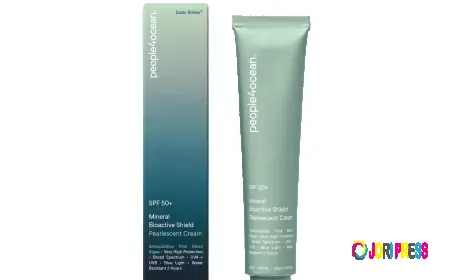
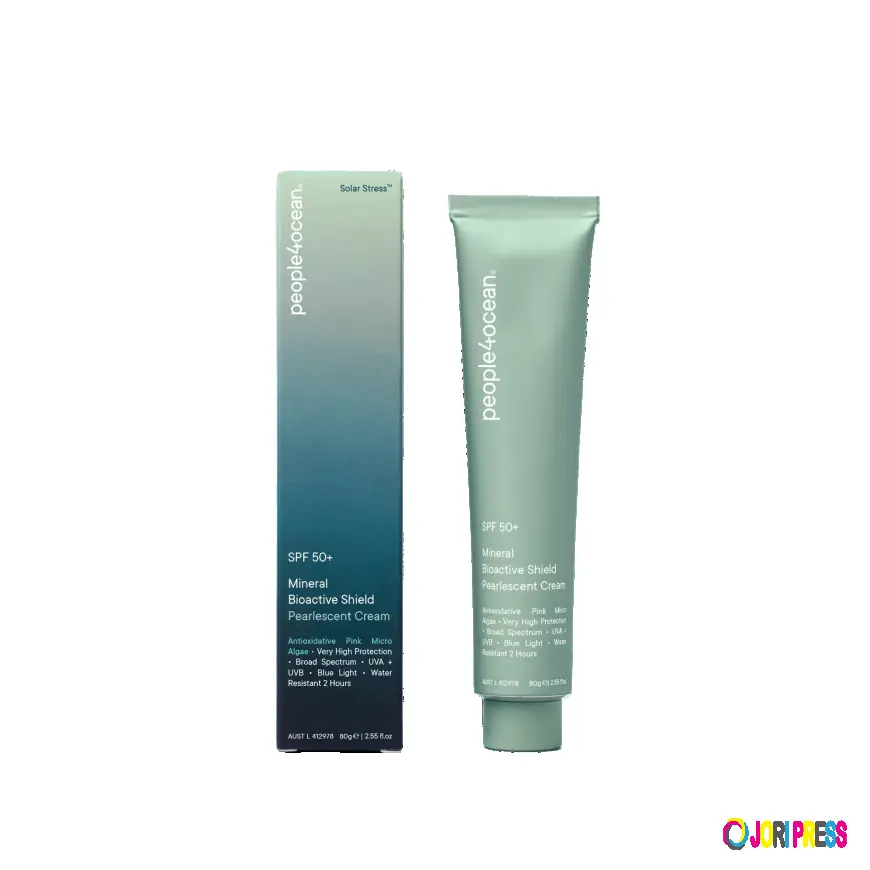
Choosing suitable skincare products becomes easier when consumers understand their concerns and compare different formulations. People4Ocean offers an opportunity to explore sun-care and skincare options that can complement a practical daily routine.
Before choosing a product, consider its intended purpose, ingredients, formulation, and application instructions. A moisturising product, for example, serves a different purpose from sunscreen, so understanding these differences helps prevent unrealistic expectations.
Consumers interested in improving their Solar Stress Skin Care routine should prioritise products that address their actual needs. Exploring suitable options and following consistent application practices can make everyday skincare more manageable.
Maintaining Skin Health Through Consistent Care
Long-term skin wellness depends on regular protective habits rather than temporary solutions. Daily sunscreen use, suitable moisturising products, and gentle cleansing create a foundation for maintaining comfortable, healthy-looking skin.
Skincare requirements may also change with different seasons and environmental conditions. Lightweight formulations can feel more comfortable in humid weather, whereas richer moisturisers may be preferable during colder months.
Reviewing your routine occasionally helps ensure that products remain appropriate for your skin type. The goal should always be sustainable care that supports the skin without unnecessary complexity.
Conclusion
Protecting skin from sunlight and environmental exposure requires a balanced combination of prevention, hydration, and appropriate product selection. Understanding common skin concerns and choosing suitable ingredients can help individuals establish better everyday habits.
A consistent Solar Stress Skin Care routine supports informed skincare decisions while keeping daily protection a priority. By exploring suitable options from People4Ocean and maintaining practical lifestyle habits, consumers can take positive steps towards healthier-looking, more comfortable skin.
What's Your Reaction?
 Like
0
 Dislike
0
 Love
0
 Funny
0
 Angry
0
 Sad
0
 Wow
0