




































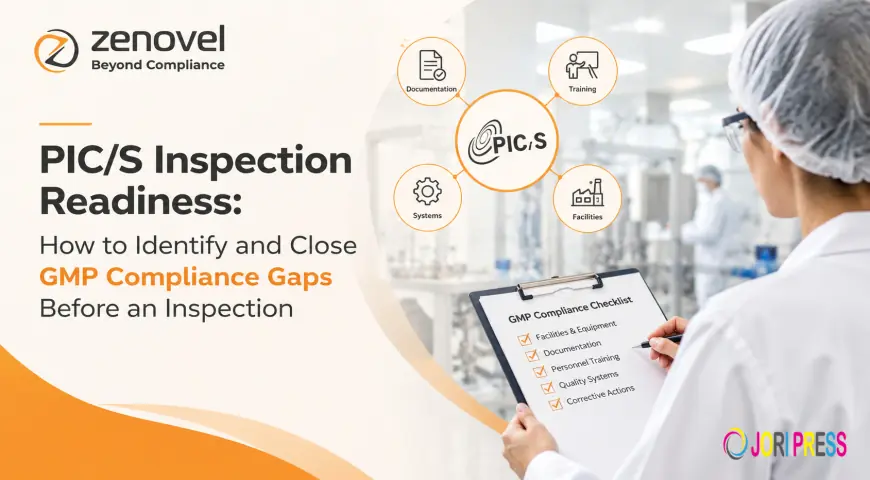
PIC/S Inspection Readiness: How to Identify and Close GMP Compliance Gaps Before an Inspection
For manufacturers and clinical trial sponsors operating in PIC/S member jurisdictions, a Good Manufacturing Practice (GMP) inspection is rarely an isolated event. It highlights the importance of meticulous quality system design, documentation, and operational execution in the manufacturing process, as these factors can significantly affect a product's timely market entry. The text also notes the implications of compliance failures, such as Warning Letters, Form 483 observations, or import restrictions. As the PIC/S (Pharmaceutical Inspection Co-operation Scheme) continues to expand with over 55 participating authorities across various regions, the consistency and rigor of expectations for manufacturers have increased, emphasizing the need for adherence to high standards in production practices.
This blog outlines a clinical-quality perspective on inspection readiness: where GMP compliance gaps most commonly originate, how they can be identified before an inspector does, and the structured remediation approach that a dedicated compliance and audit partner like Zenovel applies to close them proactively.
Framework of PIC/S
The Pharmaceutical Inspection Co-operation Scheme (PIC/S) standardizes GMP standards and inspection procedures globally, aligning closely with EU GMP Annexes and FDA regulations under 21 CFR Parts 210/211. This alignment helps reduce regulatory duplication for sponsors and manufacturers, but highlights that a compliance gap found by one authority can impact others. Inspection readiness should be seen as an ongoing state of readiness, requiring continuous identification and closing of gaps within the quality system, rather than as a last-minute effort before inspections.
Where GMP Compliance Gaps Most Commonly Originate
Manufacturing sites and clinical supply operations commonly exhibit a specific range of gap categories that lead to most inspection findings.
- Data integrity is a critical deficiency noted in PIC/S and FDA inspections, with common issues like poor audit trail reviews, insufficient controls on electronic records, backdated documentation, and inadequate governance over computerized data. Such findings often indicate broader systemic quality culture problems, leading to severe regulatory repercussions.
- As the digitization of manufacturing and quality operations accelerates, the effectiveness of computerized system validation (CSV) has become a key area of inspection. Inspectors evaluate whether the systems managing batch records, laboratory data, and quality management have undergone validation per a documented, risk-based approach, and whether this validation is upheld through software updates, configuration changes, and periodic reviews.
- A quality system that produces deviations is normal; however, inspector concerns arise when repeated deviations are lacking thorough root cause investigations and ineffective CAPAs that are closed without efficacy verification, or inadequate trending analyses overlook systemic issues over time or across batches.
- Inspectors examine a facility's change history to ensure that modifications were properly risk-assessed, validated, and documented prior to implementation. Common gaps include changes made before formal approval, incomplete impact assessments, and validation activities that are not completed in time to support the changes.
- Training gaps in personnel records are frequently identified during inspections. Common issues include incomplete training records, qualification gaps for personnel involved in GMP-critical tasks, and outdated training curricula that do not align with current SOPs and regulatory expectations.
A Structured Approach to Identifying Gaps Before an Inspection
Closing compliance gaps necessitates a comprehensive readiness process beyond document reviews. Key steps include conducting independent mock inspections, data integrity assessments on both paper and electronic systems, reviewing CSV status for relevant computerized systems, verifying CAPA effectiveness, and performing documentation trace exercises to ensure thorough oversight and preparedness for inspections.
The process aims to prioritize regulatory risks and systematically address the most significant gaps, ensuring documented effectiveness instead of superficially tackling issues before inspections.
How Zenovel Supports Inspection Readiness
Zenovel offers specialized audit, regulatory, and digital compliance services tailored to help manufacturers and sponsors maintain a state of continuous inspection readiness. Our PIC/S services include comprehensive GMP audits aligned with PIC/S and regional regulations, AI-driven regulatory support to monitor compliance risks, CSV services for validating computerized systems, customized on-demand compliance assistance, and digital implementation throughout the compliance lifecycle for effective documentation and audit management.
Zenovel promotes inspection readiness as an ongoing, digitally supported discipline, which aids sites and sponsors in minimizing the probability and impact of adverse inspection findings.
Contact Zenovel for PIC/S-related queries and consultation. Our expert team assures that your steps are GMP-validated.
What's Your Reaction?
 Like
0
Like
0
 Dislike
0
Dislike
0
 Love
0
Love
0
 Funny
0
Funny
0
 Angry
0
Angry
0
 Sad
0
Sad
0
 Wow
0
Wow
0