






































Muscle Building: Key Principles, Training Methods and Recovery Strategies
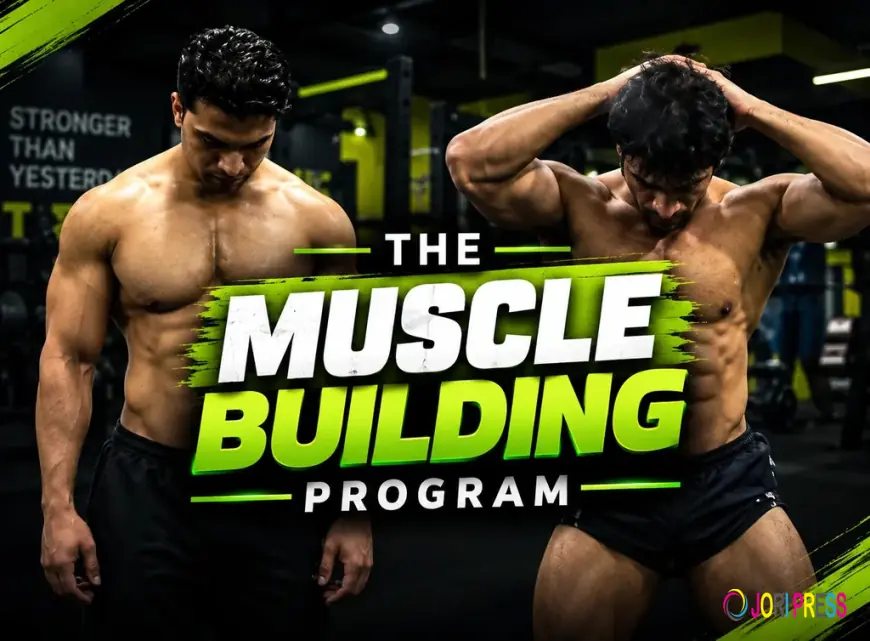
Understanding Muscle Building and How It Works
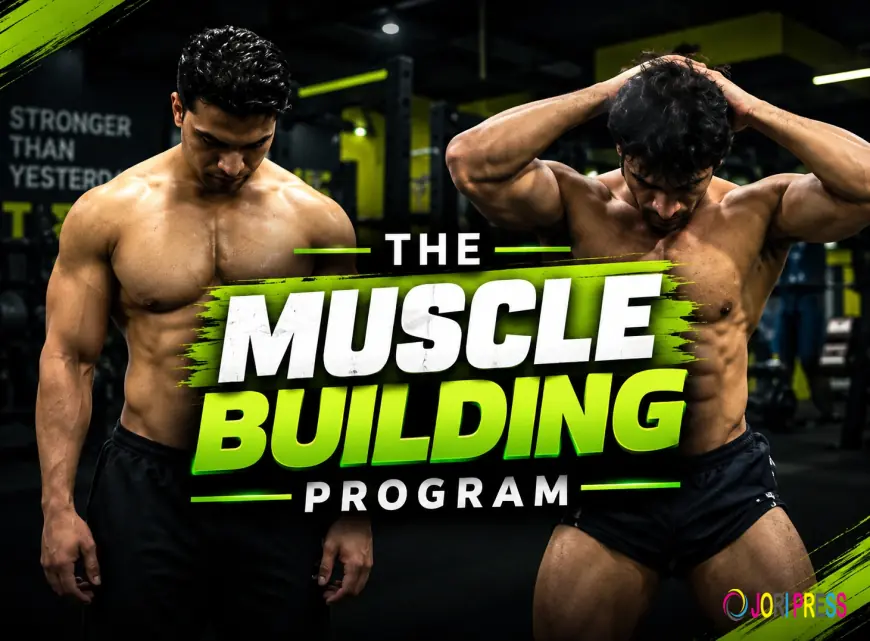
Muscle building is a gradual process that involves structured exercise, proper nutrition and sufficient recovery. It requires consistency and a clear understanding of how the body responds to physical activity. Whether someone is new to fitness or has previous training experience, following a balanced approach can support long-term strength and physical development.
Muscles adapt to resistance-based activities over time. During strength training, muscle fibres experience stress, and the body responds by repairing and adapting them. With consistent training and adequate recovery, this process contributes to muscle growth.
Important Factors That Support Muscle Building
Achieving consistent results involves more than simply lifting weights. Several factors work together to support muscle development.
-
Progressive Overload: Gradually increasing training demands allows muscles to adapt to new challenges.
-
Balanced Nutrition: Protein, carbohydrates and healthy fats provide nutrients required for normal body functions, training and recovery.
-
Training Consistency: Following a structured workout routine helps develop strength and improve exercise performance.
-
Proper Recovery: Rest and sufficient sleep give the body time to recover between training sessions.
These factors create a balanced foundation for an effective muscle building routine.
Role of Strength Training in Muscle Growth
Strength training plays an important role in developing muscular strength and size. Exercises such as squats, lunges, push-ups, rows and resistance-based movements target different muscle groups.
A well-planned training programme should consider exercise selection, repetitions, sets, intensity and individual fitness levels. Beginners should focus on learning correct exercise techniques before increasing training intensity.
Understanding how different exercises work also helps fitness professionals design structured programmes according to individual goals.
Nutrition and Its Importance in Muscle Development
Nutrition is another essential part of muscle building. Protein supports muscle repair and development, while carbohydrates provide energy for physical activity. Healthy fats contribute to several important body functions.
Including a variety of foods such as dairy products, pulses, eggs, nuts, seeds, whole grains and vegetables can help maintain a balanced diet. Nutritional requirements may differ depending on activity levels, age and individual needs.
Why Recovery Matters for Muscle Building
Training and recovery work together. Performing intense workouts without sufficient rest may affect performance and overall recovery. Proper sleep, rest days and balanced training schedules help the body adapt to exercise.
Fitness professionals should understand these principles to create practical programmes that consider both training demands and recovery requirements.
Building Professional Knowledge of Muscle Development
Understanding muscle building requires knowledge of exercise science, human anatomy, nutrition and training principles. Fitness professionals need to understand how the body responds to resistance training and how programmes can be adjusted according to individual requirements.
At Fitness With Gomzi, developing scientific knowledge and practical fitness skills helps aspiring professionals build a stronger understanding of exercise programming and the fitness industry.
What's Your Reaction?
 Like
0
 Dislike
0
 Love
0
 Funny
0
 Angry
0
 Sad
0
 Wow
0