





































Cupping Therapy: Techniques, Benefits and Its Role in Modern Wellness
Understanding Cupping Therapy and Its Importance in Modern Wellness
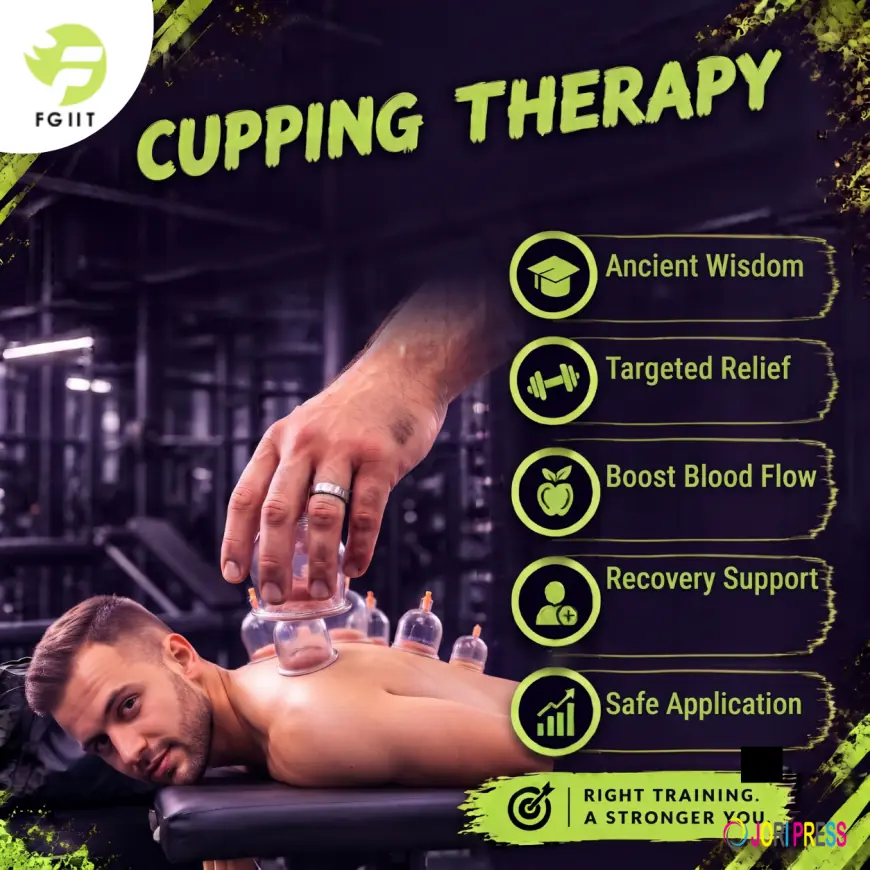
Cupping therapy is a traditional wellness practice that has gained attention in modern fitness, sports recovery and therapeutic settings. It involves placing specially designed cups on the skin to create gentle suction. This process lifts the skin slightly and creates a pulling sensation in the targeted area. Today, cupping therapy is often discussed as a complementary approach to relaxation and muscle care.
With increasing interest in recovery methods, fitness professionals are also learning about different techniques and their applications. Understanding how this practice works can help trainers develop better knowledge of wellness and recovery approaches.
Different Cupping Therapy Techniques
There are several methods used in cupping practices, and each involves a slightly different application.
-
Dry Cupping: This technique uses suction cups placed on the skin without making any cuts. The cups remain in position for a limited period.
-
Moving Cupping: In this method, a suitable lubricant is applied to the skin, and the cups are gently moved across a specific area.
-
Wet Cupping: This traditional method involves controlled skin puncturing and blood removal. It requires specialised training, strict hygiene and appropriate professional supervision.
Learning about these cupping therapy techniques helps professionals understand their differences and the importance of safe application.
Benefits of Cupping Therapy
The benefits of cupping therapy are commonly associated with relaxation and temporary relief from muscle discomfort. Some people use it as part of their recovery routine, particularly after physically demanding activities.
Potentially reported benefits include:
-
Temporary relief from muscle tightness and discomfort.
-
Support for relaxation and general well-being.
-
Improved comfort in areas experiencing muscle stiffness.
-
A complementary approach to post-exercise recovery.
However, scientific evidence for many claimed benefits remains limited. Cupping therapy should not replace medical diagnosis or established treatment.
Safety Considerations Before Cupping Treatment
Safety is an important part of any wellness practice. Cupping may cause temporary circular marks, skin irritation or bruising. It should only be performed by appropriately trained professionals who understand hygiene, skin conditions and contraindications.
Individuals with certain medical conditions or skin concerns should consult a qualified healthcare professional before considering cupping treatment.
Why Fitness Professionals Should Understand Cupping Therapy
For fitness professionals, understanding different recovery practices adds value to their overall knowledge. Learning about cupping therapy, its techniques, limitations and safety considerations helps trainers communicate responsibly with clients and recognise when professional healthcare guidance is necessary.
At FGIIT (Fitness With Gomzi International Institute of Teaching), developing practical fitness knowledge alongside scientific understanding is an important part of professional education. Learning about complementary wellness practices can help aspiring fitness professionals build a broader understanding of the fitness industry.
What's Your Reaction?
 Like
0
 Dislike
0
 Love
0
 Funny
0
 Angry
0
 Sad
0
 Wow
0