





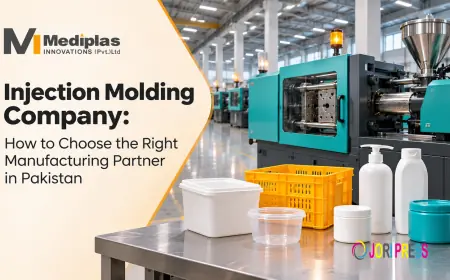




























Injection Molding Company: How to Choose the Right Manufacturing Partner in Pakistan
Learn how to choose an injection molding company in Pakistan. Explore manufacturing capabilities, mould development, material selection, quality control and important factors for selecting a reliable production partner.

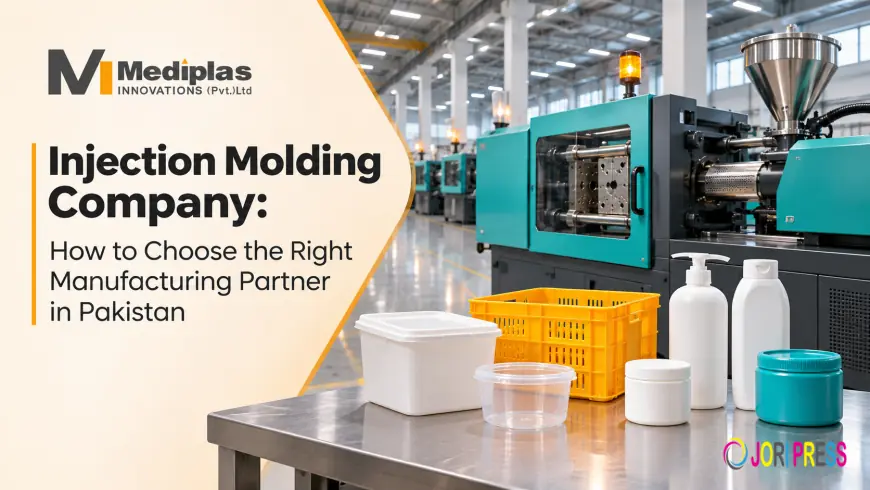
Choosing an injection moulding partner is an important decision for businesses developing plastic components. The right supplier must understand the product, its use, and required production volume. A suitable machine alone does not guarantee successful manufacturing. Design support, tooling, material selection, quality checks, and communication also matter. These factors influence cost, consistency, and production planning.
What an Injection Molding Company Should Offer Beyond Machine Capacity
An Injection Molding Company should offer more than access to moulding machines. It should understand how a product moves from design to finished component. Buyers should ask about engineering support, tooling, process suitability, and finishing options. These details help assess supplier suitability.
Engineering Input Before Production
A supplier should review the part design and identify possible production difficulties. These may include uneven wall thickness or tight tolerances. Early feedback can reduce later changes and align the design with the selected material and process.
Tooling and Process Capabilities
The mould must suit the component's shape, dimensions, and expected volume. Buyers should ask whether tooling is developed in-house or managed externally. Discuss cavity configuration, maintenance, and trials.
Production and Post-Processing Coordination
Some components need assembly, printing, welding, engraving, or other finishing work. Early discussion creates a clearer production plan.
Businesses assessing suppliers can review the Injection Molding Company services offered by Mediplas.
From Product Concept to Finished Plastic Component
A well-planned project follows connected steps. Reviewing each stage helps prevent late design or production issues.
Design Review and Prototyping
The process starts with the product brief, drawings, dimensions, and intended application. A design review checks manufacturability. A prototype or 3D-printed mock-up can help assess shape and fit. It may reveal changes before investment in production tooling. However, it does not replace final mould trials.
Mould Development and Sampling
After the design is defined, mould development can begin. Tooling must reflect the component's geometry, material, and production needs. Trial moulding helps assess dimensions, appearance, fit, and agreed specifications. Discuss corrections before production approval.
Production Planning and Finishing
Production planning considers material availability, machine suitability, quantities, and finishing requirements. Clear specifications define the finished component's requirements.
Choosing Materials and Designing Parts for Manufacturing
Material selection should follow the component's function, not price alone. Plastics differ in strength, flexibility, chemical resistance, heat resistance, and appearance. The right choice depends on the operating environment and product requirements. Explain how the component will be used and stored.
Resin Selection According to End Use
A resin suitable for one application may not suit another. A component exposed to oils or cleaning agents may need different properties from a general-purpose housing. Temperature, impact, flexibility, and contact requirements should be reviewed. For food, pharmaceutical, or medical applications, buyers should confirm applicable material and regulatory requirements. Not every plastic grade suits every application.
Wall Thickness, Geometry and Tolerances
Part design affects mould filling, cooling, release, and final dimensions. Consistent wall thickness can support more predictable cooling. Draft angles help the component release from the mould. Ribs and bosses need careful design. Tolerances should reflect function and assembly needs.
How to Assess Production Quality and Consistency
Quality should be considered throughout production, not only when parts are delivered. Buyers and suppliers should agree on important product characteristics before manufacturing starts. These may include dimensions, appearance, fit, or application-specific requirements.
Process Controls and Repeatability
Injection moulding depends on connected process settings. These can include material preparation, melt temperature, injection pressure, mould temperature, and cooling time. Settings depend on the material, machine, mould, and part design. A supplier should monitor relevant parameters. Repeatable production also depends on suitable tooling and consistent material handling.
Inspection, Sampling and Corrective Action
Initial samples should be checked against agreed drawings and specifications. Visual inspection can identify flash, sink marks, short shots, or surface defects. Dimensional checks confirm important measurements. If a problem appears, the supplier should investigate its cause before making adjustments. Agree how samples and changes are recorded.
Industries and Applications for Injection-Moulded Components
Injection-moulded components serve many industries. Suitability depends on design, material, process, and required performance.
Pharmaceutical, FMCG and Healthcare Applications
Plastic components can support bottles, closures, caps, containers, and other packaging needs. Healthcare applications may involve additional material, documentation, and quality considerations. Buyers should confirm product-contact requirements and applicable regulations. Packaging should suit the contents, filling process, and storage.
Industrial and Consumer Product Applications
Manufacturers also use injection-moulded parts in housings, fittings, handles, and functional components. These may need specific strength, fit, or resistance properties.
Buyer Checklist for Selecting a Pakistani Manufacturing Partner
Prepare a clear brief before requesting a quotation. Include drawings, dimensions, material preferences, estimated quantities, and intended use. Share any available sample. Explain critical dimensions, appearance, and assembly requirements.
Technical and Commercial Questions
Ask the supplier:
-
Which moulding processes and machine capacities suit this part?
-
Can the supplier support design review and mould development?
-
How will tooling be fabricated and maintained?
-
Which materials fit the product's intended use?
-
What inspection checks will cover critical dimensions?
-
Are assembly, printing, or other finishing services needed?
These questions help buyers compare technical suitability.
Sample, Quotation and Communication Checks
Review the quotation carefully. Confirm whether it includes tooling, sampling, production, finishing, packaging, and transport. Clarify pricing assumptions, sample approval, mould ownership, and maintenance. Keep specifications and approved changes in writing.
Frequently Asked Questions
What should I ask before choosing an injection moulding supplier?
Ask about process suitability, tooling, materials, sample approval, quality checks, production planning, and communication. Share drawings and expected quantities for a useful assessment.
Which factors affect the cost of injection-moulded parts?
Costs depend on material, part design, mould complexity, cavity count, cycle time, volume, and finishing. Review tooling and recurring production costs separately.
Why does mould design matter in injection moulding?
Mould design affects material flow, cooling, part release, dimensions, and repeatability. A design review can identify issues before tooling is finalised.
Can one manufacturer support product development and mould fabrication?
Some manufacturers offer design, prototyping, mould development, and production services. Confirm the capabilities and responsibilities available for your project.
How can a buyer assess production consistency?
Review approved samples, specifications, inspection methods, process monitoring, and change records. Discuss how the supplier identifies and addresses production variation.
Choosing a Manufacturing Partner That Supports Your Production Goals
Selecting a partner requires more than comparing machine lists or unit prices. Review design support, tooling, materials, quality controls, and communication together. Mediplas Innovations (Pvt.) Ltd. provides design, mould development, injection moulding, and post-processing capabilities. Contact the team to discuss your plastic component requirements and suitable manufacturing options.
What's Your Reaction?
 Like
0
 Dislike
0
 Love
0
 Funny
0
 Angry
0
 Sad
0
 Wow
0