







































How to Keep Your Gutter System Working During Heavy Rainfall

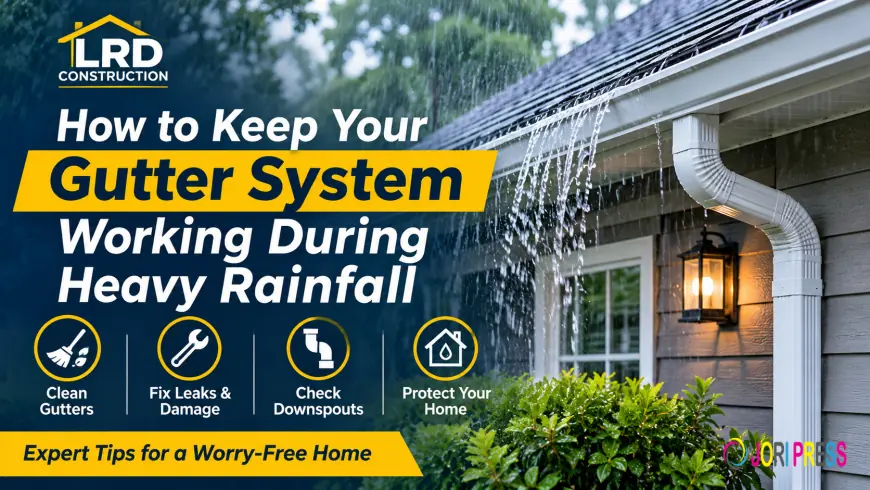
Heavy rainfall can put considerable pressure on your home's gutter system. Gutters are designed to collect rainwater from the roof and direct it safely away from exterior walls, foundations, and landscaping. However, when they become clogged, damaged, or improperly installed, water may overflow and create problems that are expensive to fix.
For homeowners in Northwest Arkansas, preparing gutters for periods of heavy rainfall is particularly important. Seasonal storms, falling leaves, and changing weather conditions can affect how efficiently a gutter system performs.
Regular maintenance, timely repairs, and proper installation can help prevent drainage issues and protect your property's exterior. Whether you have an older gutter system or are considering a new installation, understanding how to maintain it can make a significant difference.
Here are some practical ways to keep your gutter system working efficiently during heavy rainfall.
1. Clean Gutters Regularly to Prevent Blockages
One of the most common reasons gutters fail during heavy rainfall is debris accumulation. Leaves, twigs, dirt, roof granules, and other materials can collect inside the channels and restrict water movement.
When water cannot flow freely toward the downspouts, it may spill over the gutter edges. This can leave exterior walls, landscaping, and areas around the foundation exposed to excessive moisture.
Regular cleaning helps maintain proper water flow and reduces the possibility of unexpected blockages.
Homeowners should pay attention to:
-
Leaves and branches collected inside gutter channels.
-
Dirt and roof debris blocking water outlets.
-
Nests or other obstructions near downspouts.
-
Areas where water appears to move slowly.
-
Visible plant growth inside neglected gutters.
Cleaning gutters at least twice a year is a useful general guideline. Properties surrounded by trees may require more frequent attention, especially during autumn.
2. Check Gutters for Sagging or Loose Sections
Gutters need proper support to carry rainwater without bending or pulling away from the roofline. When brackets, hangers, or fasteners become loose, sections may begin to sag.
Sagging gutters can interrupt the intended water flow and create low spots where rainwater collects. During heavy rainfall, these areas may overflow or place additional stress on the gutter structure.
Inspect your gutters for visible gaps, uneven sections, loose fasteners, and areas that appear to pull away from the fascia.
Professional sagging gutter repair can help restore proper alignment and support. Depending on the condition of the system, a contractor may need to replace damaged brackets, reinforce mounting points, or correct the gutter slope.
Ignoring these problems can eventually result in more extensive gutter damage.
3. Make Sure Downspouts Are Clear and Properly Positioned
Gutters collect rainwater, but downspouts are responsible for carrying it away from the roofline. Even a well-maintained gutter system can struggle during heavy rainfall if the downspouts are blocked or poorly positioned.
A clogged downspout may cause water to back up inside the gutter channels, increasing the likelihood of overflow.
Check that:
-
Downspout openings are free from leaves and debris.
-
Connections between gutter sections and downspouts are secure.
-
Water flows freely through the entire system.
-
Downspout extensions direct water away from the foundation.
-
Discharge points do not create standing water near the property.
If you notice leaks, loose connections, or recurring blockages, professional gutter and downspout repair may be necessary.
Proper water discharge helps protect the foundation, surrounding soil, and exterior surfaces from repeated exposure to runoff.
4. Inspect Gutters for Leaks and Damaged Joints
Small leaks may not seem serious during light rainfall, but they can become more noticeable when large amounts of water move through the system.
Common problem areas include gutter seams, corners, end caps, joints, and connections near downspouts.
Look for water dripping from unusual locations, rust spots, visible cracks, and stains along the exterior walls. These signs may indicate that certain sections need attention.
Professional rain gutter repair can address damaged joints, small openings, loose connections, and other localized problems.
However, when gutters have extensive corrosion, repeated leaks, or significant structural damage, replacing the affected sections may be a more practical solution.
Addressing leaks early can help prevent moisture-related damage to fascia boards, siding, and nearby building components.
5. Check the Gutter Slope for Proper Water Flow
Gutters need a slight slope toward their outlets so rainwater can move efficiently into the downspouts.
If the slope is incorrect, water may collect in certain areas instead of draining properly. These low spots can become particularly problematic during prolonged or heavy rainfall.
Incorrect gutter alignment may result from loose hangers, improper installation, damaged fascia boards, or natural wear over time.
During an inspection, look for sections where water remains standing long after rainfall has stopped.
Professional gutter installation should account for the roofline, gutter length, drainage outlets, and appropriate slope. Correct positioning helps the entire system handle rainwater more effectively.
6. Consider Gutter Replacement When Repairs Are No Longer Enough
Routine maintenance and minor repairs can keep a gutter system working well, but older gutters may eventually reach a point where replacement becomes necessary.
Frequent leaks, extensive corrosion, separated joints, repeated sagging, and visible structural damage are signs that the existing system may no longer provide reliable drainage.
Gutter replacement can be a worthwhile investment when the existing system requires constant attention or cannot manage normal rainfall effectively.
When selecting a replacement system, consider:
-
The size and layout of your roof.
-
The amount of rainfall your property experiences.
-
Suitable gutter materials.
-
The number and placement of downspouts.
-
The durability of mounting brackets and fasteners.
-
The maintenance requirements of the selected system.
Proper planning and professional installation help ensure that the new system works with your roof rather than creating additional drainage problems.
7. Protect Exterior Siding From Overflowing Rainwater
Gutter problems can affect more than the roofline. When water repeatedly spills over the edges or leaks from damaged joints, it may run down exterior walls and expose siding to excessive moisture.
Over time, persistent water exposure can contribute to staining, deterioration, loose panels, and moisture-related damage.
Homeowners should inspect siding areas directly below gutters, particularly around corners, windows, and exterior joints.
If you notice cracked panels, gaps, or damaged sections, professional siding repair may help restore the exterior and prevent further deterioration.
For larger exterior improvement projects, vinyl siding installation can provide a durable, low-maintenance finish when the underlying wall assembly is properly prepared.
Remember that replacing damaged siding alone will not solve the problem if the gutter system continues to discharge water incorrectly. Both systems should be evaluated together.
8. Schedule Professional Gutter Inspections Before Storm Season
Some gutter problems are difficult to identify from the ground. Loose fasteners, incorrect slopes, hidden leaks, and damaged connections may go unnoticed until heavy rainfall exposes them.
Scheduling a professional inspection before storm season can help identify these concerns early.
A thorough inspection should include:
-
Checking the condition of gutter channels.
-
Examining brackets and mounting points.
-
Testing water flow through downspouts.
-
Inspecting joints and end caps for leaks.
-
Looking for signs of fascia and siding damage.
-
Evaluating whether the existing system can manage roof runoff.
Professional inspections are especially useful for older properties and homes that have experienced recurring drainage issues.
9. Why Proper Gutter Maintenance Matters for Northwest Arkansas Homes
Weather conditions in Northwest Arkansas can place additional demands on residential gutter systems. Heavy rainfall, seasonal storms, falling leaves, and changing temperatures can all affect gutter performance.
A neglected drainage system may allow water to collect around the foundation, damage landscaping, stain exterior walls, and contribute to moisture problems.
Working with an experienced contractor can help homeowners identify the right maintenance, repair, or replacement solutions for their properties.
LRD Construction provides construction and exterior improvement services, including siding and gutter-related solutions. Whether you need help addressing damaged exterior components or planning an improvement project, proper evaluation is an important first step.
Conclusion
A properly functioning gutter system is essential for protecting your home during heavy rainfall. Regular cleaning, secure mounting, clear downspouts, and timely repairs all contribute to effective water management.
Homeowners should not ignore signs such as overflowing gutters, sagging sections, leaking joints, or damaged siding. Small problems can become more expensive when left unaddressed.
Whether you need rain gutter repair, sagging gutter repair, or complete gutter replacement, taking action early can help protect your property's exterior and foundation.
For professional guidance on gutter and exterior improvement projects, contact LRD Construction and explore solutions suited to your home's needs.
Frequently Asked Questions (FAQs)
1. How often should gutters be cleaned to prevent overflowing?
Most homeowners should clean their gutters at least twice a year, generally during spring and autumn. Properties surrounded by trees may require more frequent cleaning to prevent leaves and debris from blocking water flow.
2. Why do gutters overflow during heavy rainfall?
Gutters may overflow because of debris blockages, insufficient drainage capacity, incorrect slope, damaged joints, or clogged downspouts. Regular inspections can help identify the cause and prevent recurring problems.
3. When should I consider gutter replacement instead of repair?
Gutter replacement may be necessary when the existing system has extensive corrosion, multiple leaks, severe sagging, separated sections, or recurring structural problems. A professional inspection can help determine whether repairs are still practical.
4. What causes gutters to sag or pull away from the roof?
Sagging can result from loose brackets, damaged fasteners, excessive debris, standing water, or deteriorating fascia boards. Professional sagging gutter repair can restore proper support and alignment.
5. Can damaged gutters cause siding problems?
Yes. Overflowing or leaking gutters can allow water to run down exterior walls, potentially causing staining, moisture damage, and deterioration of siding materials. Timely gutter maintenance and siding repair can help protect the exterior.
6. Why is professional gutter installation important?
Professional gutter installation helps ensure correct sizing, positioning, slope, secure mounting, and proper downspout placement. These factors allow the system to collect and redirect rainwater efficiently while reducing the risk of overflow and water damage.
What's Your Reaction?
 Like
0
 Dislike
0
 Love
0
 Funny
0
 Angry
0
 Sad
0
 Wow
0