








































Healthcare IT Systems Reshaping Modern Patient Care Worldwide
Healthcare systems worldwide are under pressure to deliver faster, more accurate, and more accessible care. Traditional paper-based workflows often slow down communication between healthcare professionals and create operational inefficiencies.

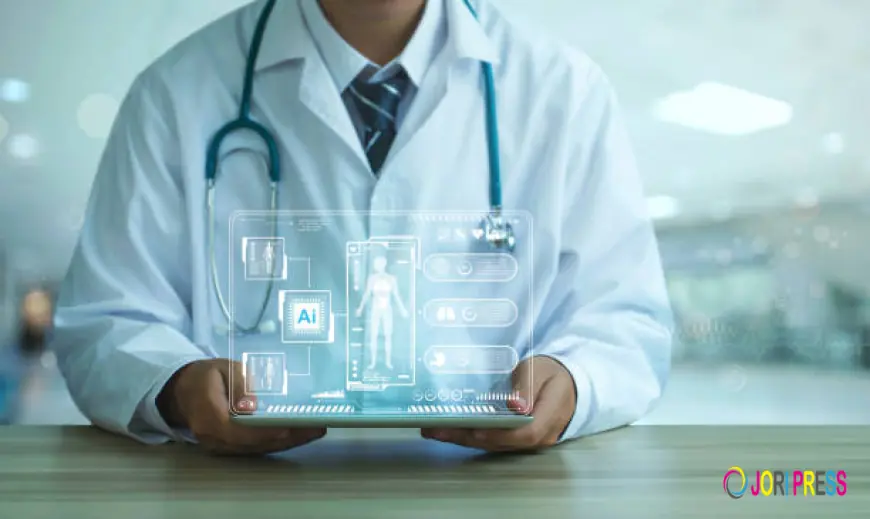
Healthcare IT systems are becoming a central part of modern medical services across the world. From electronic health records to cloud-based hospital management platforms, healthcare providers are increasingly relying on digital technologies to improve patient care, reduce administrative burden, and support faster clinical decisions. As healthcare organizations continue adopting connected systems, the role of Healthcare IT is expanding beyond recordkeeping into real-time diagnostics, telehealth, and data-driven treatment planning.
According to MarkNtel Advisors, the Global Healthcare IT Market is projected to grow at a CAGR of around 13% during the forecast period of 2020-2025. The increasing use of mobile healthcare devices, rising chronic disease prevalence, and growing demand for paperless healthcare systems are among the major factors supporting this expansion.
The Rising Importance of Digital Healthcare Infrastructure
Healthcare systems worldwide are under pressure to deliver faster, more accurate, and more accessible care. Traditional paper-based workflows often slow down communication between healthcare professionals and create operational inefficiencies. Healthcare IT systems help hospitals and clinics manage patient information securely while improving coordination among medical teams.
Electronic Health Records (EHRs), hospital information systems, and cloud-based platforms are now helping healthcare providers streamline scheduling, patient monitoring, billing, and treatment documentation. These technologies also reduce the chances of manual errors and improve long-term patient management. The increasing focus on digital healthcare transformation is also encouraging governments and healthcare organizations to modernize healthcare infrastructure globally.
How Healthcare IT Is Improving Patient Care Delivery
One of the biggest advantages of Healthcare IT systems is their ability to improve patient outcomes through faster access to medical information. Doctors can now review patient histories, laboratory results, imaging reports, and medication records in real time, helping them make more informed decisions.
Healthcare IT solutions also support remote healthcare services through telemedicine and virtual consultations. Patients living in remote areas can connect with specialists without traveling long distances, improving healthcare accessibility and convenience.
According to MarkNtel Advisors, the healthcare provider solutions segment dominated the market in 2019 due to rising government initiatives aimed at improving care quality and healthcare efficiency. The report also highlights the increasing use of clinical and non-clinical software solutions in hospitals and healthcare facilities.
Growing Use of Cloud Platforms and Big Data Analytics
Cloud computing has become a major component of Healthcare IT systems because healthcare organizations generate large volumes of patient data every day. Cloud-based storage allows hospitals to securely store and access medical records while supporting collaboration across multiple departments and healthcare locations.
Big data analytics is also transforming how healthcare providers identify disease patterns, predict patient risks, and optimize treatment strategies. Healthcare organizations are using analytics tools to monitor patient populations, reduce readmission rates, and improve operational planning. Data-driven healthcare systems are increasingly supporting preventive care and personalized treatment strategies across global healthcare networks.
The growing importance of data-driven healthcare is increasing investments in cybersecurity and digital infrastructure. Healthcare institutions are focusing on protecting patient confidentiality while ensuring compliance with healthcare regulations and data privacy standards.
Telehealth and Mobile Healthcare Are Expanding Rapidly
Telehealth services experienced strong adoption in recent years as healthcare providers searched for more flexible and accessible care delivery models. Mobile healthcare applications and wearable devices now allow patients to monitor vital signs, manage chronic conditions, and communicate with healthcare professionals remotely.
Healthcare IT systems help integrate these technologies into centralized healthcare networks, enabling physicians to monitor patient conditions in real time. This is particularly valuable for managing chronic diseases such as diabetes, cardiovascular disorders, and hypertension.
The increasing use of smartphones and connected medical devices is expected to continue supporting Healthcare IT adoption globally. Remote patient monitoring solutions are especially important for aging populations and regions with limited healthcare infrastructure.
Regional Adoption Patterns Across Global Healthcare Systems
North America currently represents one of the largest Healthcare IT adoption regions due to advanced healthcare infrastructure and high digital integration in hospitals and healthcare facilities. The United States and Canada continue investing heavily in artificial intelligence, robotics, and connected healthcare technologies.
Meanwhile, Asia-Pacific is witnessing strong demand growth because governments in countries such as China and India are increasing investments in healthcare modernization and digital transformation initiatives. Expanding healthcare infrastructure and rising patient populations are creating new opportunities for Healthcare IT providers across the region.
Europe is also focusing on healthcare digitization through interoperable health systems and patient data management programs. Healthcare providers across the region are emphasizing efficiency improvements and integrated healthcare delivery.
Challenges Affecting Healthcare IT Implementation
Despite the growing benefits of Healthcare IT systems, implementation challenges remain a major concern for healthcare organizations. High setup costs, system integration difficulties, and cybersecurity risks can create barriers for hospitals and smaller healthcare facilities.
Healthcare organizations must also train medical staff to use digital platforms effectively. Resistance to technological change and concerns regarding patient data privacy may slow adoption in certain regions. Interoperability remains another major challenge because hospitals often use multiple technologies from different vendors, making seamless communication difficult.
However, continuous advancements in cloud computing, artificial intelligence, and digital infrastructure may help address many of these limitations in the coming years.
Leading Companies Supporting Healthcare IT Expansion
Several global companies are actively contributing to Healthcare IT innovation through software platforms, analytics tools, digital healthcare services, and connected medical technologies. According to MarkNtel Advisors, major players operating in the Global Healthcare IT Market include Cognizant, General Electric Healthcare, Siemens AG, Oracle, Cerner Corporation, Philips, Optum, Allscripts Healthcare Solutions, eClinicalWorks, and McKesson Corporation.
These companies continue investing in cloud-based healthcare systems, patient management software, artificial intelligence solutions, and data analytics platforms to support the changing needs of healthcare providers worldwide.
Healthcare IT systems are expected to remain an important part of healthcare transformation as hospitals and healthcare organizations continue focusing on efficiency, patient safety, and digital connectivity. As technology adoption increases, healthcare delivery models may become more data-driven, accessible, and personalized across global healthcare networks.
What's Your Reaction?
 Like
0
Like
0
 Dislike
0
Dislike
0
 Love
0
Love
0
 Funny
0
Funny
0
 Angry
0
Angry
0
 Sad
0
Sad
0
 Wow
0
Wow
0