






































Electrical Panel Safety: Importance of Insulating Flooring
A rubber mat for electrical panel is an insulating rubber flooring product designed for use around electrical equipment.

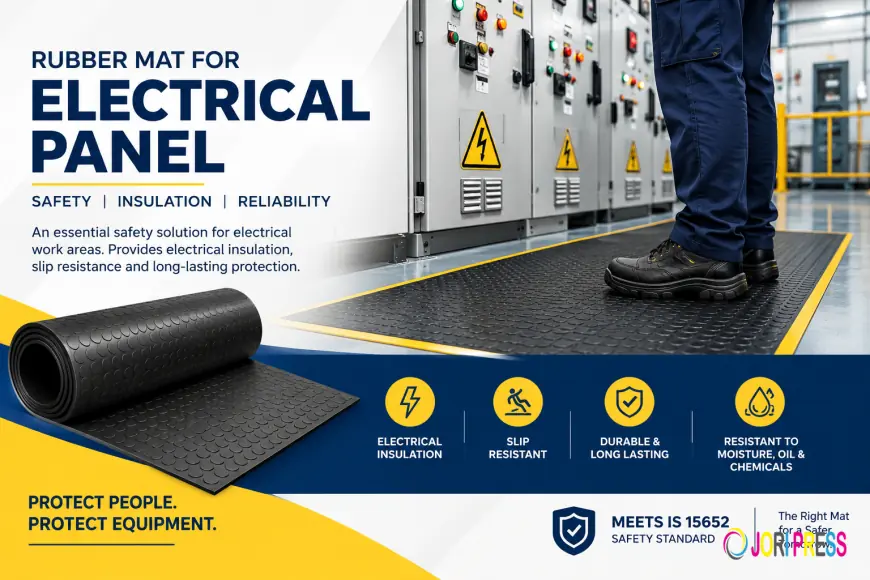
Electrical panels are essential components in factories, commercial buildings, power facilities, and industrial plants. Because these areas can involve electrical equipment and live circuits, proper workplace safety is extremely important. One commonly used safety product is a rubber mat for electrical panel, which provides an insulating surface between workers and the floor.
An appropriate electrical mat can help reduce the risk associated with accidental contact with electrical systems. It also provides a practical flooring surface in areas where workers regularly operate, inspect, or maintain electrical panels and control equipment.
What Is a Rubber Mat for Electrical Panel?
A rubber mat for electrical panel is an insulating rubber flooring product designed for use around electrical equipment. It creates a non-conductive layer between the person working near the panel and the ground.
Electrical rubber mats are commonly considered for areas such as electrical control rooms, substations, transformer rooms, generator areas, and industrial panels. Their purpose is to provide an additional layer of electrical safety while also offering a durable working surface.
The selection of an electrical mat should always be based on the required electrical rating, applicable standards, installation environment, and manufacturer specifications.
Why Electrical Rubber Mats Are Important
Working around electrical panels can expose personnel to electrical hazards. A suitable electrical insulation mat can provide an additional barrier between the worker and the ground.
The insulating characteristics of rubber can help reduce the possibility of electrical current passing through the worker to the ground under appropriate conditions. This makes an insulating rubber mat an important part of safety arrangements around electrical equipment.
However, an electrical safety mat should not be considered a replacement for proper electrical isolation, protective equipment, safe operating procedures, or trained personnel. It should be used as one component of a broader electrical safety system.
IS 15652 and Electrical Safety
For applications in India, IS 15652 is an important standard associated with electrical insulating mats. DeePee Rubber's related electrical-mat content highlights IS 15652 in connection with electrical insulation mats and their voltage-related safety requirements.
When purchasing a rubber mat for electrical panel, businesses should verify the product's applicable certification, electrical rating, thickness, and test documentation rather than selecting a mat based only on appearance or price.
Using a properly specified product helps businesses make a more informed decision for electrical work areas.
Slip Resistance Around Electrical Panels
Electrical safety is not the only consideration in a panel area. Workers may also encounter dust, moisture, oil, or other contaminants on the floor.
A suitable electrical rubber mat can provide a textured or slip-resistant surface that offers additional traction. This can be useful in industrial environments where maintaining stable footing is important.
Slip-resistant characteristics can provide another layer of workplace protection, particularly around control panels, generator rooms, production areas, and other industrial locations.
Resistance to Moisture, Oil and Chemicals
Industrial environments can expose flooring materials to moisture, oils, coolants, cleaning agents, and other substances. A durable electrical insulation mat should be selected according to the conditions in which it will be installed.
DeePee Rubber's related content highlights resistance to moisture, oils, chemicals, and environmental wear as useful characteristics of electrical rubber mats.
Before installation, businesses should check the manufacturer's material specifications and compatibility information for the particular environment.
Applications of Electrical Rubber Mats
A high voltage rubber mat can be considered for several electrical and industrial environments.
Electrical Control Panels
Control panels often require workers to stand directly in front of electrical equipment during inspection or maintenance. Placing an appropriate insulating mat in the working area can provide an additional protective surface.
Transformer Rooms
Transformer areas contain electrical equipment that requires controlled access and appropriate safety procedures. Suitable electrical mats may be used in designated working areas.
Power Distribution Areas
Electrical distribution equipment can be found in factories, commercial buildings, and power facilities. Properly specified insulating mats can form part of the safety arrangement around this equipment.
Generator Rooms
Generators and associated electrical equipment can create demanding working conditions. A durable electrical mat can provide insulation along with a practical and slip-resistant surface.
Choosing the Right Electrical Mat
Several factors should be evaluated before selecting a rubber mat for electrical panel.
First, consider the required voltage rating and applicable safety standard. The product should be appropriate for the electrical environment.
Second, check the mat's thickness and dimensions. The mat should provide suitable coverage for the designated working area without creating unnecessary trip hazards.
Third, consider the surrounding environment. Exposure to moisture, oil, chemicals, temperature variations, and heavy foot traffic may influence material selection.
Surface texture is also important. A suitable anti-slip surface can provide additional traction while maintaining the required insulating properties.
Finally, verify product documentation and manufacturer specifications before installation.
Maintenance of Electrical Rubber Mats
Regular inspection is important for any electrical safety mat used in a working environment. Mats should be checked for visible cuts, cracks, excessive wear, contamination, or other damage.
Cleaning should follow the manufacturer's recommendations. DeePee Rubber's related content notes that routine cleaning with mild soap and water can be suitable for these types of mats.
A damaged or heavily worn mat should not simply be continued in service. Its condition and suitability should be evaluated before workers rely on it for electrical safety.
Conclusion
A rubber mat for electrical panel can provide an important insulating and slip-resistant surface around electrical equipment. When correctly specified, it can help create an additional barrier between workers and ground while supporting a safer working environment.
Applications can include control panels, substations, transformer rooms, generator areas, and other industrial electrical locations. When choosing an electrical rubber mat, businesses should consider electrical rating, IS 15652 requirements where applicable, dimensions, thickness, surface characteristics, environmental exposure, and manufacturer documentation.
Most importantly, an insulating mat should be treated as one part of a complete electrical safety program. Proper isolation procedures, protective equipment, trained personnel, equipment maintenance, and safe working practices remain essential.
With appropriate product selection, installation, inspection, and maintenance, electrical rubber mats can provide a practical safety solution for workplaces operating around electrical panels and related equipment.
What's Your Reaction?
 Like
0
Like
0
 Dislike
0
Dislike
0
 Love
0
Love
0
 Funny
0
Funny
0
 Angry
0
Angry
0
 Sad
0
Sad
0
 Wow
0
Wow
0