





































White-Label Mutual Fund Software for Distributors: A Practical Selection Guide
A practical guide for mutual fund distributors comparing white-label software, including branding, workflows, reporting, data access, support and costs.
White-Label Mutual Fund Software for Distributors: A Practical Selection Guide
Mutual fund distributors manage many connected tasks: maintaining client records, following up on transactions, reviewing portfolios, and preparing reports. As these workflows grow more demanding, software can help organize information and routine work.
For distributors comparing white-label mutual fund software, branding is only one part of the decision. It is equally important to understand what the platform actually does, how it fits the team’s workflow, and what information clients will see. A familiar logo cannot make an unclear report or unsuitable process more useful.
What does “white-label” mean?
White-label software generally refers to a provider’s technology being customized or presented under another business’s brand. The scope varies by provider. It might include some branding elements, a customer-facing interface, or selected communications—but the exact arrangement should be confirmed before choosing a service.
Ask the provider what is customized and what remains part of its existing platform. Find out how changes, updates, and support are handled, and whether third-party tools or pages are involved. The word “white-label” alone doesn't tell you which features are included or who is responsible for each part of the service.
Begin with your day-to-day workflow.
Before comparing features, list the tasks your team needs the software to support. For example:
- How are client records organized and updated?
- How do team members review portfolio information?
- How are SIP schedules and transaction statuses followed up?
- What reports do clients need to understand?
- Which tasks are currently repeated across spreadsheets, messages, or other tools?
This list turns a broad software search into a practical evaluation. During a product discussion, ask the provider to demonstrate those workflows—not just show a list of features.
Look for clear and accurate portfolio reporting.
A useful report should explain what its figures mean. Invested amount and current market value are different measures, so they should not be presented as interchangeable. Reports should also show the relevant valuation or reporting date.
Family-level reporting needs particular care. A household’s combined portfolio market value is not automatically the same as an MFD’s distributor-attributed assets under management (AUM). The report should define what is included and avoid counting the same holding more than once.
Keep individual ownership visible where appropriate. A combined family view may be convenient, but it should not make it difficult to see which investments belong to which person. A family relationship alone also does not establish that every family member is entitled to access another person’s financial information. Confirm permissions before sharing reports.
Transaction status deserves the same attention. A registered or scheduled SIP does not prove an installment was successfully processed. Check the relevant transaction records before describing a payment as completed.
Review the branding and client experience.
Ask to see the experience from the client’s point of view. Is the business identity clear? Are instructions and labels easy to understand? Can clients tell what action they need to take or whom to contact if they have a question?
If branding is part of the service, clarify precisely where it appears and what can be customized. Also ask how the experience looks on the devices your clients use. Don't assume every screen, communication, or process will carry the same branding unless the provider confirms it.
Ask about data access and responsibilities.
Client and portfolio information should be handled carefully. Before selecting a platform, ask for clear written information about who can access data, how user permissions are managed, what happens when staff access changes, and how information can be exported if you stop using the service.
Also clarify the distributor's and provider's responsibilities. Ask how data discrepancies, support requests, and service interruptions are handled. Verify these details with each provider; don't assume a feature or safeguard exists just because it is common in the industry.
Check implementation, support, and costs.
A platform’s value depends partly on how it fits into your actual operations. Ask what information or preparation is needed before implementation, whether staff training is available, how support requests are handled, and what can affect the rollout schedule.
Compare the complete cost, not just the advertised starting price. Ask whether branding customization, additional users, upgrades, or ongoing support have separate charges. Read the terms for renewals, data access, data export, and ending the service so that you understand your options later.
Test the platform against realistic scenarios.
Before deciding, use a demo or evaluation process to test common tasks: adding or updating a client record, reviewing a portfolio, preparing a report, and checking the status of a scheduled transaction. Use appropriate sample information rather than exposing real client data unnecessarily.
A simple comparison sheet can help your team record what each provider confirmed, what still needs clarification, and which requirements matter most. This makes it easier to compare services on evidence rather than on branding or a long feature list.
Exploring JezzMoney
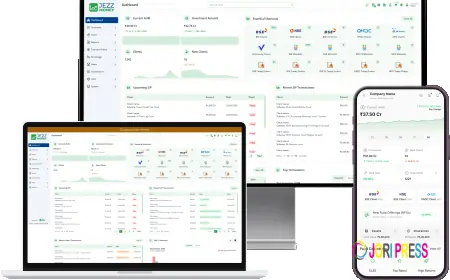
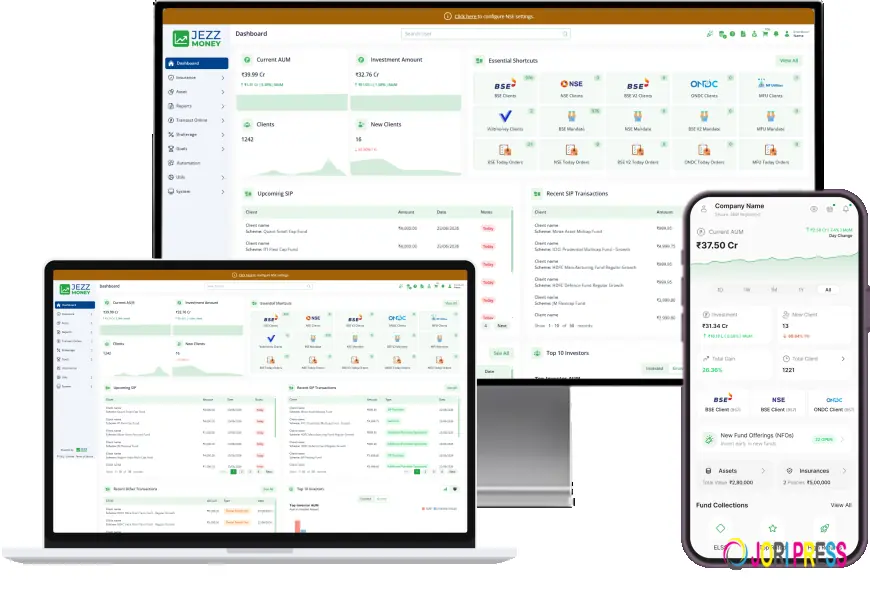
JezzMoney describes itself as an all-in-one mutual fund distributor platform. Its white-label offering is a customization service for JezzMoney’s existing platform, not a separate standalone software product. Distributors considering it should review the current information on JezzMoney’s official website and confirm which customization options, features, and terms fit their requirements.
Choosing software is ultimately about finding a workable fit—not selecting the platform with the longest feature list. Clear reporting, carefully managed access, suitable workflows, and well-understood service terms can help distributors make a more informed decision.
What's Your Reaction?
 Like
0
 Dislike
0
 Love
0
 Funny
0
 Angry
0
 Sad
0
 Wow
0