





































How Cloud Inventory Software Helps Restaurants Manage Stock More Efficiently
Cloud inventory software helps restaurants track stock, manage ingredients, reduce food waste, improve purchasing decisions, and streamline inventory management.
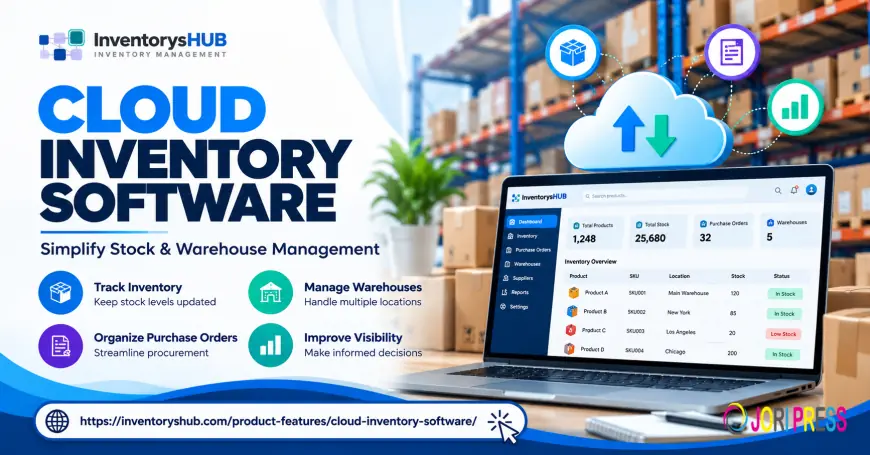
Restaurant inventory management involves more than counting ingredients. Businesses need to monitor stock availability, organize purchasing, track supplies, and maintain accurate inventory records. When these activities rely entirely on manual processes, keeping information updated can become difficult. Cloud inventory software offers a centralized way to organize inventory information and support daily stock management.
Understanding Cloud Inventory Software
Cloud inventory software allows businesses to manage inventory information through an online platform. Depending on the system's capabilities, users can access stock records, review product quantities, and manage inventory information from different locations.
For restaurants, this approach can help organize ingredients, packaging materials, beverages, cleaning supplies, and other essential items. A centralized system also makes it easier for teams to review available stock and identify products that may need replenishment.
Improve Ingredient Tracking and Stock Visibility
Accurate ingredient tracking helps restaurants understand which supplies are available and which items require attention. Without consistent records, teams may order ingredients they already have or discover shortages during busy service periods.
An organized inventory system helps businesses maintain clearer stock records and review inventory levels more consistently. Staff can use this information to support stock checks, coordinate replenishment, and keep essential supplies available.
Better stock visibility can also help restaurant managers make informed decisions about purchasing quantities and inventory requirements.
Support Better Purchasing Decisions
Purchasing too much inventory can tie up working capital and increase the risk of spoilage. Ordering too little can lead to shortages and interruptions in kitchen operations.
A structured inventory process helps restaurants review existing stock before placing new orders. By maintaining accurate records of inventory movement and product quantities, businesses can plan purchases according to operational requirements.
Restaurant managers can use inventory information to identify frequently used items, monitor replenishment needs, and organize communication with suppliers. These practices support more consistent purchasing decisions.
Reduce Food Waste Through Organized Inventory Practices
Food waste is an important consideration for restaurants that handle perishable ingredients. Poor stock rotation, inaccurate records, and excessive purchasing can contribute to ingredients expiring before they are used.
Restaurants can improve their inventory practices by:
-
Recording incoming stock and ingredient usage.
-
Checking expiry dates regularly.
-
Following a first-in, first-out (FIFO) approach where appropriate.
-
Reviewing stock before placing new orders.
-
Keeping storage and inventory records organized.
Inventory software can support these activities by helping teams maintain accessible and organized stock information. Actual waste reduction depends on how consistently the restaurant follows its inventory procedures.
Simplify Inventory Management Across Locations
Restaurant groups operating multiple branches may need to coordinate stock information across kitchens, storage areas, and locations. Managing separate spreadsheets or paper records can make it harder to maintain consistent information.
A centralized inventory platform can help businesses organize their records and improve visibility across operations, depending on the system's supported features. This can make it easier for managers to review inventory information, coordinate purchasing activities, and establish consistent stock management procedures.
Establish a Consistent Inventory Routine
Technology is most useful when supported by clear processes. Restaurants should establish regular stock-counting schedules, assign responsibility for inventory updates, review discrepancies, and maintain accurate records of incoming and outgoing supplies.
Teams should also define minimum stock levels for essential ingredients based on usage patterns, supplier lead times, and storage capacity. Reviewing these settings periodically helps restaurants adapt to changing demand.
Combining consistent inventory procedures with suitable software can help reduce avoidable errors and make stock management more organized.
Conclusion
Cloud inventory software can help restaurants improve stock visibility, organize purchasing, maintain inventory records, and support better ingredient management. By combining centralized inventory information with consistent stock-handling procedures, restaurant teams can make more informed decisions and manage daily operations more efficiently.
What's Your Reaction?
 Like
0
Like
0
 Dislike
0
Dislike
0
 Love
0
Love
0
 Funny
0
Funny
0
 Angry
0
Angry
0
 Sad
0
Sad
0
 Wow
0
Wow
0