








































Clean Exfoliate Products: How to Exfoliate Without Overdoing It
Explore Clean Exfoliate Products with practical tips on ingredients, skin types, safe exfoliation, hydration, and building a balanced skincare routine.

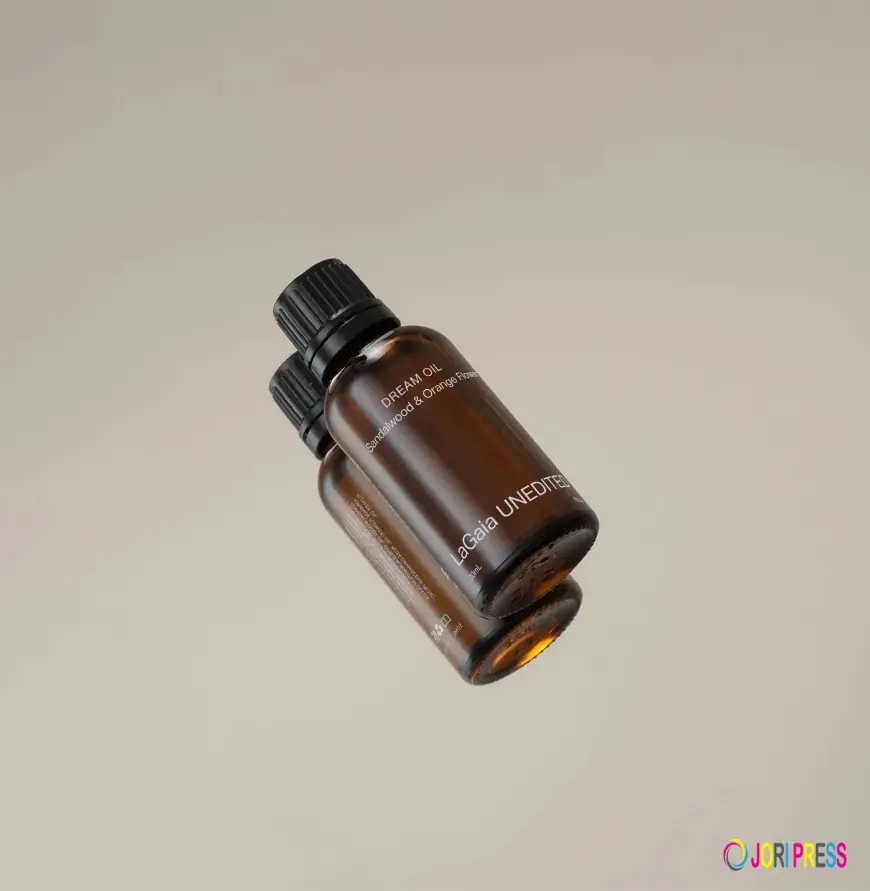
Healthy-looking skin does not require an elaborate collection of skincare products. Often, the most effective approach is to understand what your skin needs, choose suitable formulas, and use them consistently without introducing unnecessary steps. Clean Exfoliate Products can be part of a thoughtful skincare routine when selected according to your skin type, sensitivity, and personal goals.
Exfoliation helps remove dead cells from the skin's surface, but using the wrong product or exfoliating too frequently can leave skin feeling dry, irritated, or uncomfortable. Understanding the differences between exfoliating ingredients, learning how to use them correctly, and recognizing when your skin needs a break can help you make more informed skincare decisions.
Understanding Clean Exfoliate Products and Their Benefits
Exfoliating products are designed to help remove dead skin cells and improve the feel and appearance of the skin's surface. Depending on the formulation, they may use physical particles, chemical exfoliating ingredients, or a combination of approaches.
Physical exfoliants rely on particles or textured materials to loosen surface buildup through gentle movement. Chemical exfoliants use ingredients such as alpha hydroxy acids (AHAs) or beta hydroxy acids (BHAs) to help loosen the connections between dead skin cells, although their effects depend on the ingredient, concentration, and formulation.
The term "clean" can mean different things across skincare brands, so it should not automatically be treated as a guarantee of safety or effectiveness. Reading ingredient lists and product instructions is more useful than relying on a general marketing label.
Choose Clean Exfoliate Products for Your Skin Type
Different skin types can respond differently to exfoliation. A product that feels comfortable on one person's skin may be too strong for another, which makes individual needs an important starting point.
If your skin tends to feel dry or tight, consider whether frequent exfoliation could be contributing to the problem. People with oily or blemish-prone skin may prefer different formulations, but stronger products are not necessarily better, and exfoliation should not be used as a substitute for appropriate acne care.
Consider Your Skin's Sensitivity
Sensitive skin may react to abrasive particles, concentrated acids, fragrance, or other ingredients. If your skin is easily irritated, choose cautiously and avoid introducing multiple exfoliating products at the same time.
For people with persistent redness, eczema, rosacea, damaged skin, or active irritation, exfoliation may be unsuitable during flare-ups. A qualified healthcare professional or dermatologist can help determine an appropriate approach when skin concerns are ongoing.
Understand Physical and Chemical Exfoliation
Choosing between physical and chemical exfoliation begins with understanding how each method works. Neither category is automatically superior; the suitability of a product depends on its formulation, your skin's condition, and how it is used.
Physical exfoliants may appeal to people who prefer a product with a noticeable texture. However, vigorous rubbing or using coarse particles can irritate the skin, particularly when the skin barrier is already compromised.
Chemical exfoliants offer a different approach. AHAs, including glycolic acid and lactic acid, are commonly used to exfoliate the skin's surface, while salicylic acid can help address oil within pores. These ingredients differ in strength and suitability, so following product-specific directions is essential.
How to Introduce Clean Exfoliate Products Into Your Routine
A gradual approach is generally more practical than immediately using an exfoliant every day. Start by selecting one product and following its recommended frequency rather than combining several exfoliating formulas in the hope of achieving faster results.
Observe how your skin responds after each use. Persistent stinging, burning, redness, peeling, or unusual dryness may indicate irritation, and the appropriate response is to stop using the product until the skin has recovered.
A simple routine can help you introduce exfoliation without making skincare unnecessarily complicated:
-
Cleanse gently: Use a suitable cleanser to remove everyday dirt, oil, and makeup.
-
Follow product instructions: Apply the exfoliant as directed, including any guidance about rinsing or leave-on use.
-
Moisturize afterward: Choose a moisturizer that helps maintain skin comfort and hydration.
-
Use sun protection: Apply broad-spectrum sunscreen during the day, particularly when using ingredients that can increase sensitivity to sunlight.
-
Allow recovery time: Avoid exfoliating irritated skin and adjust frequency according to your skin's response.
Ingredients Matter When Choosing Clean Exfoliate Products
Product labels can provide useful information about the ingredients and intended purpose of a skincare formula. When comparing Clean Exfoliate Products, look beyond front-label claims and review the full ingredient list, directions, warnings, and recommended frequency.
The concentration and overall formulation of an exfoliating ingredient can affect how a product performs. Two products featuring the same ingredient may not have identical effects, so ingredient names alone cannot tell you everything about their suitability.
It is also worth being cautious when combining exfoliants with retinoids, benzoyl peroxide, or other potentially irritating skincare ingredients. Using several active ingredients together can increase irritation for some people, especially when introduced too quickly. If you are unsure how to combine products, seek advice from a qualified skincare professional.
Common Exfoliation Mistakes to Avoid
One of the most common mistakes is assuming that frequent exfoliation produces faster or better results. In reality, overuse can disrupt the skin barrier and lead to dryness, sensitivity, and discomfort.
Another mistake is choosing a product simply because it is popular online. Skincare trends may introduce useful ideas, but a product's suitability depends on its formulation and your individual needs rather than its popularity.
Before purchasing or using an exfoliant, keep these considerations in mind:
-
Avoid scrubbing aggressively or applying unnecessary pressure.
-
Do not combine several new exfoliating products at once.
-
Never apply exfoliants to broken, sunburned, or visibly irritated skin.
-
Do not assume that natural ingredients are always gentle.
-
Stop use if persistent irritation develops and seek professional guidance when necessary.
These habits can help make skincare choices more deliberate and reduce the likelihood of avoidable irritation.
Explore Clean Exfoliate Products at LaGaia UNEDITED
Finding a suitable exfoliant starts with understanding your skin rather than searching for the strongest formula available. LaGaia UNEDITED is worth exploring when comparing skincare options, particularly if you want to review products designed for cleansing and exfoliation as part of your wider routine.
Before choosing a product, examine its individual description, ingredient information, intended use, and application instructions. Select an option that fits your existing skincare habits instead of purchasing several products with overlapping purposes.
Build a More Balanced Skincare Routine
Clean Exfoliate Products can contribute to a considered skincare routine when they are chosen carefully and used according to their instructions. Understanding your skin type, comparing exfoliation methods, introducing active ingredients gradually, and maintaining adequate hydration can help you avoid unnecessary complications.
Remember that exfoliation is optional, not an essential requirement for every skin type. A balanced routine prioritizes gentle cleansing, appropriate moisturizing, sun protection, and products that your skin tolerates comfortably. With informed choices and realistic expectations, you can make skincare decisions that support your needs without overcomplicating your daily routine.
What's Your Reaction?
 Like
0
Like
0
 Dislike
0
Dislike
0
 Love
0
Love
0
 Funny
0
Funny
0
 Angry
0
Angry
0
 Sad
0
Sad
0
 Wow
0
Wow
0