




































Binary Option Trading Software in Africa: What Brokers and Fintech Founders Need to Know
Planning to launch a binary options platform in Africa? Discover legal requirements, regional regulations, and key compliance considerations for brokers.

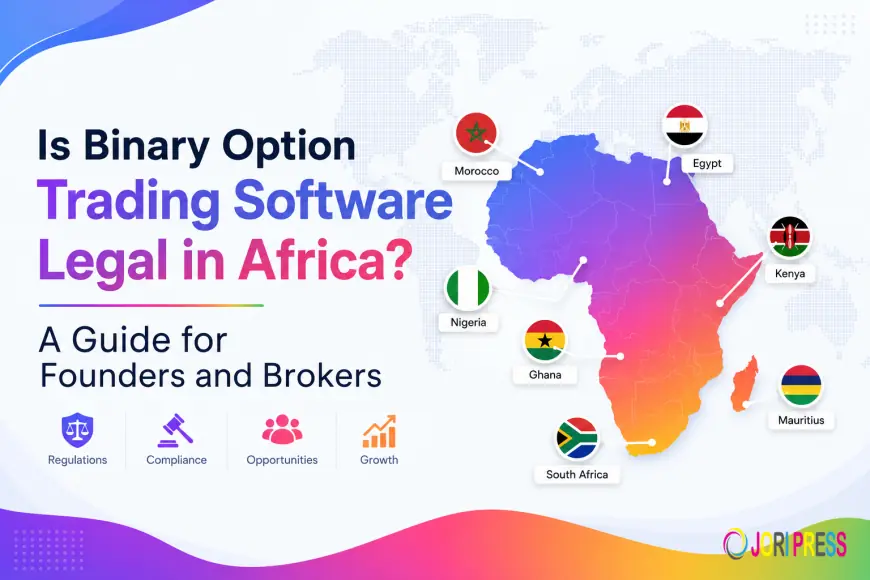
Africa’s fintech growth, smartphone adoption, and digital payment expansion are creating new opportunities for online trading platforms.
Many brokers and fintech founders are exploring binary options software due to lower infrastructure costs, growing demand for digital investments, and expanding retail trading communities.
However, before launching a platform, one key question must be answered:
Is binary option trading software legal in Africa?
The answer depends on the country, regulatory requirements, licensing obligations, and how the platform operates. Africa is not a single market; regulations can vary significantly between regions such as East Africa, West Africa, South Africa, and Mauritius.
This guide explores the legal considerations for founders and brokers looking to launch binary option platforms across Africa.
Is Binary Options Software Legal in Africa? What Brokers and Founders Should Know
Binary options software is not automatically illegal across Africa.
However, brokers and founders must understand that operating a trading platform may require regulatory approval, licensing, or partnerships with authorized financial entities.
Regulators typically evaluate factors such as:
→ Whether binary options are classified as financial products
→ Whether the company accepts customer funds
→ Whether trading services are offered directly
→ Where customers are located
→ How the platform markets investment opportunities
A binary options trading software provider like Hashcodex offering technology solutions may have different requirements compared to a broker managing customer accounts and trades.
Binary Options Regulations Across African Regions

i) East Africa
Key markets: Kenya, Tanzania, Uganda, Rwanda
East Africa has become a major fintech hub with strong digital payment adoption. However, founders must review local financial regulations before offering trading services.
Important considerations:
-
Confirm licensing requirements
-
Implement KYC and AML procedures
-
Use secure payment solutions
-
Provide transparent trading information
Kenya is often considered a strong entry market due to its advanced fintech ecosystem, while neighboring countries require separate regulatory reviews.
ii) West Africa
Key markets: Nigeria, Ghana, Senegal, Ivory Coast
West Africa offers significant growth potential due to large consumer markets and increasing digital finance adoption.
Brokers should focus on:
-
Understanding whether they operate as a broker or a technology provider
-
Following local financial regulations
-
Maintaining customer protection standards
-
Avoiding misleading trading claims
Nigeria and Ghana are among the most attractive markets for fintech businesses, but compliance planning is essential before launch.
iii) Southern Africa
Key markets: South Africa, Mauritius, Botswana
Southern Africa has some of the continent’s most developed financial markets.
Founders entering this region should prioritize:
-
Regulatory compliance
-
Risk management systems
-
Transparent operations
-
Customer protection measures
South Africa is a key market for credibility and expansion, while Mauritius is often considered by international financial businesses as a regional hub.
iv) North Africa
Key markets: Egypt, Morocco, Tunisia, Algeria
North African markets have unique financial regulations and business requirements.
Companies should consider:
-
Local licensing rules
-
Currency restrictions
-
Foreign business regulations
-
Payment infrastructure
⚠️ A country by country approach is recommended when expanding into this region.
Compliance Checklist Before Launching Binary Option Software in Africa
Before launching a platform, founders should evaluate:
1. Licensing Requirements
Determine:
-
Do you need a broker license?
-
Are you only providing software?
-
Are you partnering with a regulated entity?
2. KYC and AML Infrastructure
A professional platform should include:
-
Identity verification
-
Customer screening
-
Transaction monitoring
-
Fraud prevention
3. Payment Integration
African markets often require local payment solutions.
Consider:
-
Mobile money
-
Bank transfers
-
Local payment providers
-
Currency support
4. Responsible Trading Features
Platforms should include:
-
Risk warnings
-
Trading limits
-
Transparent payouts
-
Customer education
Should You Build Binary Option Software for Africa?
Africa offers significant opportunities for brokers and fintech founders, but success depends on understanding regional differences.
The best approach is not to launch everywhere at once.
A practical expansion strategy:
Phase 1: Choose a Target Region
Example:
-
East Africa → Kenya, Uganda, Tanzania
-
West Africa → Nigeria, Ghana
-
Southern Africa → South Africa, Mauritius
Phase 2: Build Compliance Into the Product
Include:
-
KYC systems
-
Admin controls
-
Reporting tools
-
Secure payments
Phase 3: Expand Regionally
After establishing compliance and operations in one market, expand into neighboring countries.
To Conclude
Binary options software can be a business opportunity in Africa, but success depends on understanding local regulations and building a compliance-focused platform.
For brokers and founders, the right approach is to:
-
Select a target market
-
Understand regulatory requirements
-
Build secure technology
-
Prioritize customer protection
-
Expand region by region
Africa offers significant potential for digital trading businesses, but long-term success will depend on combining reliable software with transparency, compliance, and trust.
What's Your Reaction?
 Like
0
Like
0
 Dislike
0
Dislike
0
 Love
0
Love
0
 Funny
0
Funny
0
 Angry
0
Angry
0
 Sad
0
Sad
0
 Wow
0
Wow
0