




































The Timeless Appeal of Wooden Toys for Baby: A Guide for Conscious Parents
Invest in your child's development with non-toxic wooden toys for baby. Explore our collection of eco-friendly rattles, blocks, and montessori toys designed for safe, open-ended play.
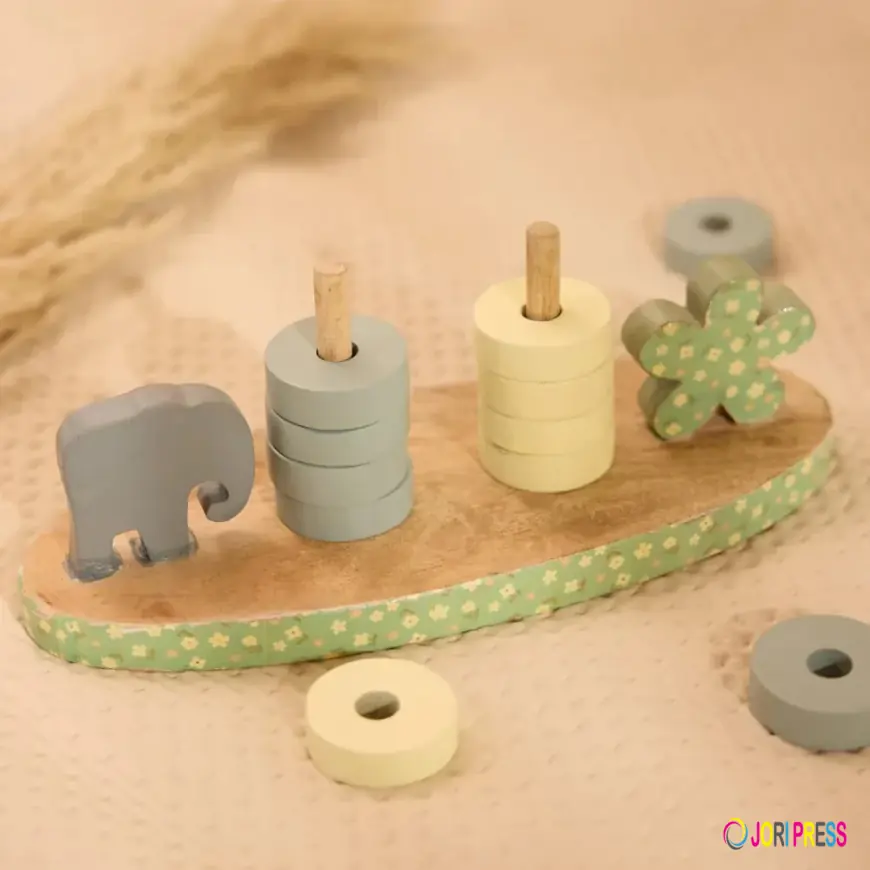
In a world filled with flashing digital screens, plastic gadgets, and loud, battery-operated electronic items, a quiet revolution is taking place in modern nurseries. Parents everywhere are turning back to basics, rediscovering the unmatched beauty, safety, and developmental benefits of classic playtime tools. When it comes to curating your little one's first toy box, choosing wooden toys for baby is one of the most rewarding, conscious decisions you can make.
Far from being a passing interior design trend, high-quality timber playthings offer a deeply enriching sensory experience that plastic simply cannot replicate. Here is a closer look at why these sustainable classics are the ultimate investment for your growing infant.
1. Natural Sensory Stimulation
Babies explore their brand-new world primarily through touch and mouth exploration. Every time an infant holds a wooden block, they experience a rich variety of natural sensations.
Unlike cold, chemically smooth plastic, wood possesses a distinct weight, a subtle organic texture, and a faint, comforting natural scent. This tactile feedback helps babies build fine motor skills, understand weight distribution, and learn how much pressure is needed to grasp, lift, and manipulate an object safely.
2. Encouraging Open-Ended, Creative Play
Electronic toys often dictate exactly how a child should play with them—they flash when a button is pressed, or play a pre-recorded sound when a lever is pulled. While this can capture an infant's attention temporarily, it often leads to passive entertainment rather than active engagement.
Conversely, wooden toys for baby are beautifully minimalist. A set of simple wooden stacking rings or natural blocks doesn't come with instructions. It forces a baby to think independently:
-
How can I balance these pieces?
-
What happens if I knock this tower down?
-
Can I roll this wooden ball across the carpet?
This open-ended nature sparks authentic problem-solving skills, spatial awareness, and creative thinking right from the earliest months of development.
                       PLASTIC VS. WOODEN BABY TOYS
+---------------------------+-------------------------------------------------+
| Plastic Toys              | Wooden Toys                                     |
+---------------------------+-------------------------------------------------+
| Often rely on batteries   | Powered entirely by a baby's imagination        |
| Prone to cracking/breaking| Virtually indestructible; heirloom quality      |
| Synthetic, smooth texture  | Rich, organic tactile feedback                  |
| Harder to recycle safely  | Biodegradable and environmentally friendly      |
+---------------------------+-------------------------------------------------+
3. Uncompromising Safety and Purity
Because infants put absolutely everything into their mouths, chemical safety is a top priority for parents. Cheap plastic toys can sometimes contain hidden toxins, phthalates, or Bisphenol A (BPA).
High-quality wooden toys for baby are crafted from solid, sustainably sourced timbers like beech, maple, or rubberwood. When finished with organic plant-based oils or water-based, non-toxic paints, they are entirely safe for teething gums. Furthermore, wood possesses natural antimicrobial properties, meaning bacteria do not multiply on its surface nearly as quickly as they do on synthetic materials.
4. Built to Last for Generations
Babies can be incredibly tough on their gear. They throw, drop, step on, and bang their playthings against the floor. While plastic alternatives often crack, splinter, or suffer electrical failures, wooden items are virtually indestructible. They age beautifully, developing a lovely character over time, and can easily be passed down to younger siblings or kept as cherished family heirlooms.
Choosing the Best First Pieces
When introducing wood into your nursery, look for simple, age-appropriate items. For newborns and young infants, lightweight wooden rattles, grasping beads, and rolling cars with smooth edges are fantastic choices. As your child reaches the sitting and crawling stages, look into nesting cups, geometric shape sorters, and classic building blocks. By choosing fewer, higher-quality pieces, you create a calm, uncluttered playroom that fosters deep focus and peaceful, independent exploration.
What's Your Reaction?
 Like
0
Like
0
 Dislike
0
Dislike
0
 Love
0
Love
0
 Funny
0
Funny
0
 Angry
0
Angry
0
 Sad
0
Sad
0
 Wow
0
Wow
0