





































Sterile Water for Injection 10ml: Uses, Safety & Key Facts

In modern healthcare, even the simplest medical components play a critical role in patient safety and treatment outcomes. One such essential yet often overlooked product is Sterile Water for Injection 10ml. Though it may appear basic, its role in clinical practice is highly specialized and strictly regulated.
For men’s health in Australia where awareness around safe medical practices, preventative care, and responsible treatment is growing, understanding how sterile medical products are used can help build confidence in healthcare systems and decisions.
This article provides a clear, educational overview of sterile water for injection, its uses, safety considerations, and why it remains an essential part of modern care.
What Is Sterile Water for Injection 10ml?
Sterile Water for Injection is a purified, non-pyrogenic (fever-free) liquid that contains no added substances such as preservatives, antimicrobial agents, or buffering compounds. It is specifically manufactured for medical use and must meet strict quality and sterility standards.
The 10ml format is commonly used in healthcare settings because it offers:
-
Precise dosing for small-volume applications
-
Reduced contamination risk due to single-use design
-
Convenience in clinical and outpatient environments
Unlike regular drinking water or distilled water, sterile water is prepared under controlled conditions to ensure it is safe for medical procedures involving direct entry into the body.
Why Sterility Matters in Medical Care
Sterility is a non-negotiable requirement in healthcare. Any contamination whether bacterial, viral, or particulate can lead to complications, especially when substances are introduced into the bloodstream or tissues.
Sterile water plays a key role in:
-
Preventing infections during injections
-
Ensuring accurate medication preparation
-
Supporting safe dilution of drugs
In Australia, strict guidelines from health authorities emphasize infection control and patient safety. Products like sterile water align with these standards, ensuring consistent and reliable outcomes across hospitals, clinics, and home care settings.
Common Uses of Sterile Water for Injection
Sterile Water for Injection 10ml is not used on its own as a treatment. Instead, it acts as a supporting component in various medical procedures.
1. Medication Reconstitution
Many medications, especially powdered drugs, must be mixed with a sterile liquid before administration. Sterile water is commonly used for:
-
Antibiotics
-
Hormonal therapies
-
Injectable medications
This process ensures the medication reaches the correct concentration for safe use.
2. Dilution of Injectable Drugs
Certain medications are too concentrated in their original form and need to be diluted before administration. Sterile water helps achieve:
-
Accurate dosage levels
-
Reduced risk of irritation or adverse reactions
3. Medical Device Preparation
Sterile water is also used in preparing or rinsing medical devices where contamination must be avoided. This includes:
-
Syringes and infusion equipment
-
Minor surgical tools
-
Diagnostic instruments
4. Laboratory and Clinical Applications
In controlled clinical environments, sterile water may be used for:
-
Sample preparation
-
Diagnostic procedures
-
Controlled experiments
Key Safety Considerations
While sterile water is safe when used correctly, it must always be handled with care and used according to medical guidance.
Single-Use Only
Most 10ml sterile water vials are designed for one-time use. Reusing them increases the risk of contamination and infection.
Not for Direct Injection Alone
Sterile water should not typically be injected by itself into the bloodstream. Without added electrolytes, it can disrupt the body’s natural balance if misused.
Proper Storage
To maintain sterility:
-
Store in a clean, dry environment
-
Avoid exposure to extreme temperatures
-
Do not use if packaging is damaged
Check Expiry Dates
Expired sterile products may no longer guarantee safety or effectiveness. Always verify the expiry before use.
Sterile Water vs Other Medical Fluids
Understanding the difference between sterile water and other medical fluids helps avoid confusion.
Sterile Water
-
No additives
-
Used for dilution and reconstitution
-
Not intended for direct therapeutic use
Saline Solutions
-
Contain sodium chloride (salt)
-
Used for hydration and fluid replacement
-
Safe for direct administration in many cases
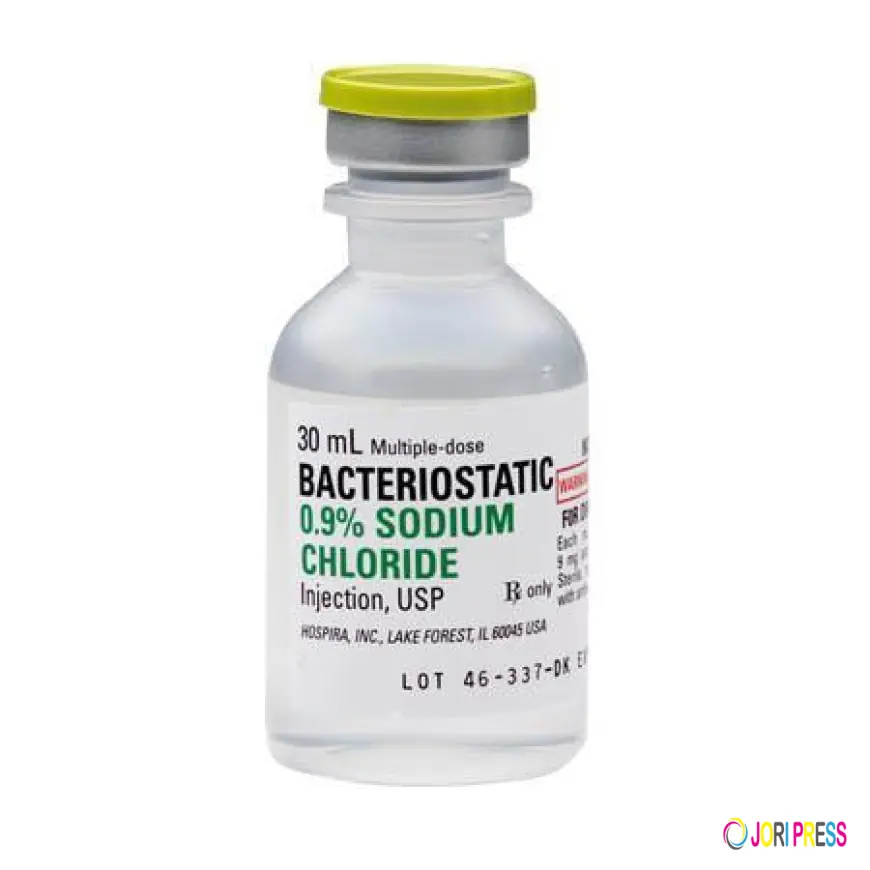
Bacteriostatic Water
-
Contains a preservative (usually benzyl alcohol)
-
Allows for multiple uses in some cases
-
Not suitable for all patient groups
Each type serves a specific purpose, and healthcare professionals choose based on the clinical situation.
Importance in Men’s Health and Wellness
Men’s health in Australia has gained increasing attention in recent years, particularly around preventive care, chronic disease management, and safe treatment practices.
Sterile medical products contribute to:
-
Safe administration of therapies
-
Reduced risk of infection
-
Better outcomes in routine and specialized care
For example, men undergoing hormone-related treatments, recovery therapies, or chronic condition management may indirectly rely on sterile water during medication preparation.
Understanding these foundational elements helps patients feel more informed and confident in their care.
Regulatory Standards in Australia
Australia maintains high standards for medical products through regulatory bodies such as the Therapeutic Goods Administration (TGA). These standards ensure that sterile water products:
-
Meet strict manufacturing guidelines
-
Are tested for purity and sterility
-
Are packaged to prevent contamination
Healthcare providers are trained to follow these guidelines, ensuring consistent and safe use across all medical settings.
Safe Handling in Home or Clinical Settings
In some cases, individuals may encounter sterile water in home care environments under professional guidance. In such situations, it is important to follow best practices:
-
Wash hands thoroughly before handling
-
Use sterile equipment only
-
Avoid touching vial openings or syringe tips
-
Dispose of used materials safely
Even minor lapses in handling can compromise sterility, which is why proper technique is essential.
Growing Awareness and Patient Education
With increasing access to health information, patients are becoming more engaged in understanding medical treatments and safety practices. Educational content around products like sterile water helps:
-
Improve health literacy
-
Encourage safe practices
-
Support informed discussions with healthcare providers
Reliable information is especially important in an era where misinformation can easily spread online.
A Helpful Resource for Further Learning
For readers seeking additional educational material on sterile medical products and their applications, platforms like Bacteriostatic Water Australia provide general insights into sterile and bacteriostatic solutions used in healthcare settings. Such resources can complement discussions with qualified medical professionals.
Key Takeaways
-
Sterile Water for Injection 10ml is a purified, additive-free solution used in medical procedures
-
It plays a critical role in medication preparation, dilution, and maintaining sterility
-
Proper handling and single-use practices are essential for safety
-
It differs from saline and bacteriostatic solutions in composition and use
-
Awareness of sterile medical products supports better health understanding and outcomes
Conclusion
Although it may seem simple, sterile water is a cornerstone of safe and effective healthcare. Its role in supporting accurate medication delivery and preventing contamination highlights the importance of even the most basic medical components.
For Australian men and the broader community, understanding these essentials contributes to a more informed approach to health and wellness. As healthcare continues to evolve, education around safety, quality, and proper usage remains a key factor in achieving better outcomes for all.
Disclaimer
This article is for informational purposes only and does not constitute medical advice. Always consult a qualified healthcare professional for guidance regarding medical treatments or products.
What's Your Reaction?
 Like
0
Like
0
 Dislike
0
Dislike
0
 Love
0
Love
0
 Funny
0
Funny
0
 Angry
0
Angry
0
 Sad
0
Sad
0
 Wow
0
Wow
0