





























Sanction Checks and OIG Checks: A Complete Guide for Healthcare Compliance in 2026
Learn why Sanction Checks and OIG Checks are essential for healthcare compliance in 2026. Discover how Venops automates exclusion screening, reduces compliance risk, and helps organizations stay audit-ready.
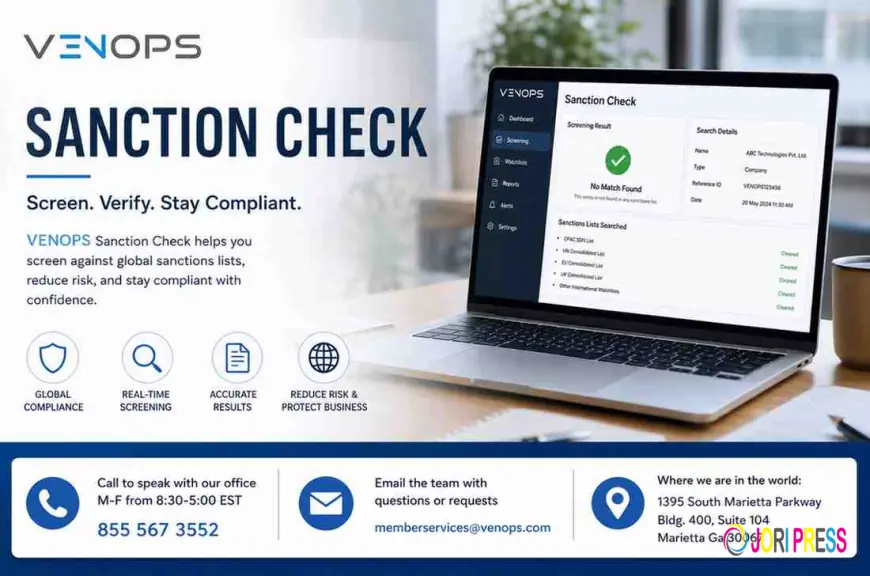
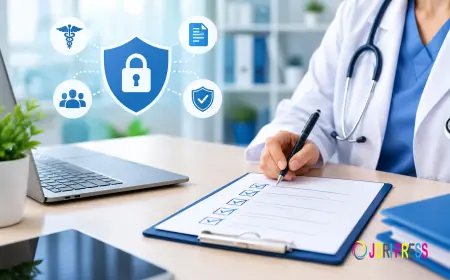
Healthcare organizations work with hundreds or even thousands of employees, physicians, vendors, contractors, and suppliers. Every one of these individuals or businesses must meet strict compliance requirements before they can provide services or receive payments. One overlooked exclusion can lead to significant financial penalties, legal action, and reputational damage.
This is why Sanction Checks and OIG Checks have become a critical part of healthcare compliance. In 2026, healthcare organizations are investing in automated screening solutions that make compliance faster, more accurate, and easier to manage.
Platforms like Venops help hospitals, clinics, laboratories, pharmacies, and healthcare vendors automate exclusion screening, monitor regulatory updates, and stay compliant with changing federal and state requirements.
In this guide, you'll learn what Sanction Checks are, how OIG Checks work, why they matter, and how Venops simplifies the entire compliance process.
What Are Sanction Checks?
Sanction Checks are the process of verifying whether a person or organization appears on government sanction or exclusion lists. These checks help healthcare organizations avoid working with individuals or businesses that have been prohibited from participating in federally funded healthcare programs.
Organizations typically perform Sanction Checks before hiring employees, onboarding vendors, signing contracts, or processing claims. However, because sanction lists change regularly, many compliance experts now recommend continuous or monthly monitoring instead of one-time screening.
Modern healthcare compliance programs also include ongoing monitoring to identify newly excluded providers or vendors before they create compliance issues.
What Are OIG Checks?
OIG Checks involve searching the Office of Inspector General's List of Excluded Individuals and Entities (LEIE). This database identifies individuals and organizations that are excluded from participating in Medicare, Medicaid, and other federal healthcare programs.
If a healthcare organization employs or contracts with someone listed in the LEIE, it may face:
-
Civil monetary penalties
-
Repayment of federal funds
-
Government investigations
-
Compliance violations
-
Damage to organizational reputation
Healthcare providers, nursing homes, hospitals, medical billing companies, laboratories, and home health agencies routinely perform OIG Checks as part of their compliance program.
Why Are Sanction Checks More Important in 2026?
Healthcare compliance continues to evolve as regulators strengthen oversight and increase enforcement efforts. Organizations are expected to demonstrate proactive monitoring rather than relying on occasional manual searches.
Some of the biggest compliance trends in 2026 include:
Continuous Monitoring
Many organizations are replacing annual screening with monthly or continuous Sanction Checks to identify new exclusions immediately.
Automated Compliance
Manual searches across multiple exclusion databases consume valuable time and increase the chance of human error. Automated platforms help compliance teams save hours while improving accuracy.
Vendor Risk Management
Healthcare organizations are paying closer attention to third-party vendors, contractors, staffing agencies, and suppliers. Vendor compliance has become just as important as employee compliance.
Stronger Documentation
Auditors increasingly expect organizations to maintain detailed screening records, timestamps, reports, and audit trails that prove compliance activities were completed on time.
Who Should Perform Sanction Checks?
Almost every organization connected to federal healthcare funding should conduct regular screening.
This includes:
-
Hospitals
-
Physician practices
-
Dental clinics
-
Pharmacies
-
Home healthcare agencies
-
Behavioral health providers
-
Medical laboratories
-
Medical billing companies
-
Healthcare staffing agencies
-
Durable medical equipment suppliers
-
Healthcare vendors
-
Insurance organizations
Even organizations that do not directly treat patients may still be responsible for screening employees and vendors.
Risks of Skipping OIG Checks
Ignoring exclusion screening can have serious consequences.
Some of the most common risks include:
Financial Penalties
Organizations may be required to repay funds received for services provided by excluded individuals.
Compliance Violations
Failure to perform regular screening may result in regulatory findings during audits or investigations.
Reputational Damage
Patients, partners, and regulators expect healthcare organizations to maintain strong compliance standards. Compliance failures can reduce trust and negatively affect business relationships.
Increased Operational Risk
Manual screening processes often miss updates or create inconsistent records, making audits more difficult.
Manual Screening vs Automated Screening
Many organizations still rely on manual searches across multiple government databases. While this approach may work for small teams, it quickly becomes difficult as organizations grow.
Manual screening often involves:
-
Searching multiple exclusion databases individually
-
Downloading updated lists
-
Comparing employee names manually
-
Maintaining spreadsheets
-
Creating compliance reports by hand
Automated solutions simplify this process by screening large numbers of employees and vendors within minutes while maintaining accurate documentation.
This is where Venops helps healthcare organizations modernize their compliance process.
How Venops Simplifies Sanction Checks and OIG Checks
Healthcare organizations often struggle to keep up with changing exclusion lists and compliance requirements. Manually checking multiple databases every month can take hours and still leave room for mistakes.
Venops is designed to make compliance easier by automating the entire screening process. Instead of searching different databases one by one, organizations can perform comprehensive screening from a single platform.
Key Features of Venops
1. Automated Sanction Screening
Venops automatically screens employees, vendors, contractors, and providers against federal and state exclusion lists, reducing manual work and improving accuracy.
2. OIG LEIE Checks
The platform checks names against the OIG List of Excluded Individuals and Entities (LEIE) to help organizations avoid hiring or contracting with excluded individuals.
3. Multi-Database Screening
Beyond OIG Checks, Venops supports screening against multiple sanction and exclusion databases, helping organizations meet broader compliance requirements.
4. Continuous Monitoring
Instead of relying on one-time checks, Venops continuously monitors records and alerts compliance teams when a new exclusion or sanction is identified.
5. Audit-Ready Reports
Every screening activity is documented with detailed reports and timestamps, making audits much easier and providing proof of compliance.
6. User-Friendly Dashboard
Compliance teams can easily upload employee or vendor lists, monitor screening status, review matches, and download reports from one centralized dashboard.
Best Practices for Sanction Checks in 2026
Healthcare regulations continue to evolve, so organizations should adopt a proactive approach to compliance.
Some recommended best practices include:
-
Screen every new employee before hiring.
-
Perform monthly or continuous Sanction Checks.
-
Include vendors, contractors, temporary staff, and volunteers in your screening program.
-
Maintain detailed documentation for every screening.
-
Train HR and compliance teams on exclusion screening requirements.
-
Use automated software instead of manual spreadsheets whenever possible.
-
Review compliance policies regularly and update them according to regulatory changes.
Following these practices helps reduce compliance risks and demonstrates a strong commitment to patient safety and regulatory compliance.
Why Healthcare Organizations Choose Venops
Healthcare providers are increasingly moving toward automated compliance solutions because they save time and reduce human error.
Organizations choose Venops because it offers:
-
Faster screening results
-
Reduced manual workload
-
Continuous compliance monitoring
-
Easy onboarding
-
Secure data management
-
Audit-ready reporting
-
Scalable solutions for organizations of all sizes
Whether you manage a small medical practice or a large hospital network, Venops helps simplify exclusion screening while improving operational efficiency.
Final Thoughts
Sanction Checks and OIG Checks are no longer optional—they are essential parts of a strong healthcare compliance program. As regulatory expectations continue to grow in 2026, organizations need reliable systems that can identify compliance risks before they become costly problems.
Automating exclusion screening not only saves valuable time but also improves accuracy, strengthens documentation, and helps organizations remain audit-ready throughout the year.
If your organization is still relying on manual searches and spreadsheets, now is the right time to modernize your compliance process. Venops provides a smarter, faster, and more reliable way to perform Sanction Checks, OIG Checks, and ongoing exclusion monitoring, helping healthcare organizations stay compliant with confidence.
Frequently Asked Questions (FAQs)
1. What are Sanction Checks?
Sanction Checks verify whether an individual or organization appears on government sanction or exclusion lists before they are hired, contracted, or paid.
2. What is an OIG Check?
An OIG Check searches the Office of Inspector General's LEIE database to identify excluded individuals and entities.
3. Why are OIG Checks important?
They help healthcare organizations avoid penalties, protect federal funding, and maintain compliance.
4. How often should Sanction Checks be performed?
Most compliance experts recommend monthly or continuous screening instead of annual checks.
5. Who should undergo Sanction Checks?
Employees, physicians, vendors, contractors, volunteers, temporary staff, and suppliers should all be screened.
6. What happens if an excluded person is hired?
Organizations may face civil penalties, repayment obligations, audits, and reputational damage.
7. Can Sanction Checks be automated?
Yes. Automated platforms like Venops perform faster and more accurate screening than manual methods.
8. What databases are included in exclusion screening?
Organizations typically screen the OIG LEIE, state Medicaid exclusion lists, and other federal sanction databases.
9. What is continuous monitoring?
Continuous monitoring automatically checks for new exclusions and alerts organizations when changes occur.
10. Are vendors required to pass OIG Checks?
Yes. Vendors and contractors should also be screened to reduce compliance risk.
11. What industries use Sanction Checks?
Healthcare, pharmacies, laboratories, insurance companies, medical billing firms, and healthcare staffing agencies commonly use them.
12. How does Venops improve compliance?
Venops automates screening, monitors exclusion lists, generates audit reports, and reduces manual work.
13. Is manual screening still acceptable?
While possible, manual screening is time-consuming and more prone to errors than automated solutions.
14. What are the benefits of automated Sanction Checks?
Automation improves accuracy, saves time, reduces compliance risks, and provides complete documentation.
15. How can healthcare organizations prepare for compliance audits?
Maintain regular screening records, document every check, monitor exclusions continuously, and use an automated compliance platform like Venops.
16. Why is exclusion screening becoming more important in 2026?
Regulators are increasing enforcement, organizations are working with more third-party vendors, and healthcare providers are expected to demonstrate continuous compliance rather than occasional checks.
What's Your Reaction?
 Like
0
Like
0
 Dislike
0
Dislike
0
 Love
0
Love
0
 Funny
0
Funny
0
 Angry
0
Angry
0
 Sad
0
Sad
0
 Wow
0
Wow
0