



































What Competency-Based Online Skincare Training Should Assess Beyond Video Completion: A Guide to Skincare Certification Online
Discover what competency-based skincare training should assess beyond video completion, including patient evaluation, treatment planning, safety, and clinical skills.
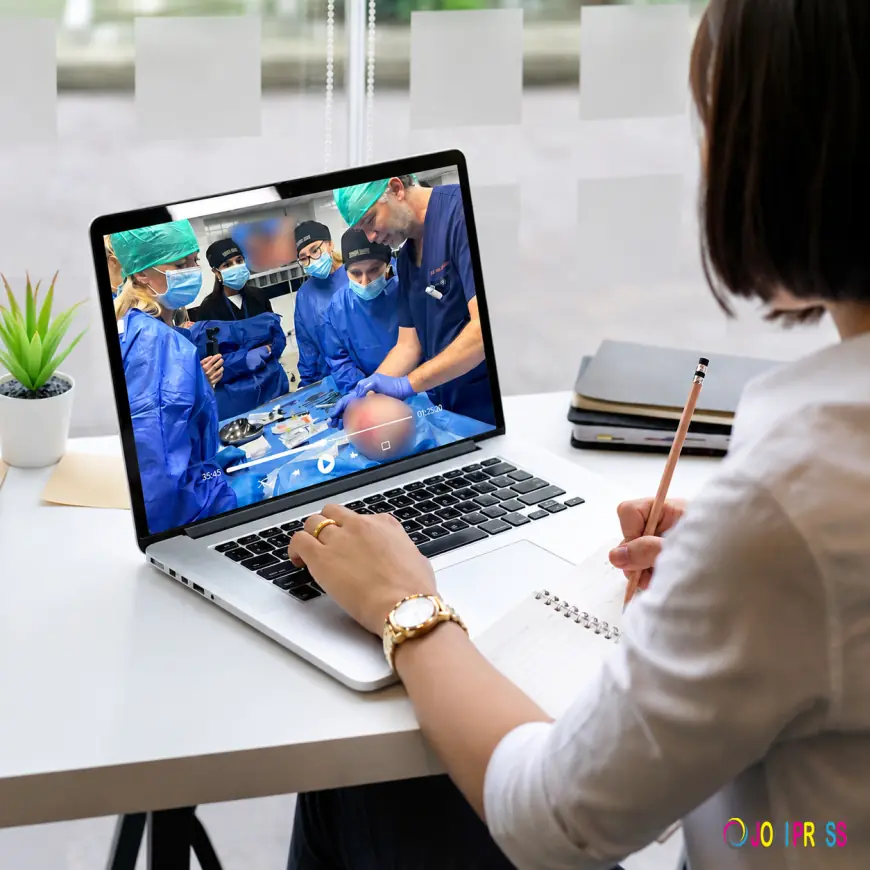
The growth of digital education has transformed how healthcare professionals expand their expertise in aesthetic medicine and professional skincare. Online learning platforms now allow physicians, registered nurses, nurse practitioners, physician assistants, dentists, and medical students to access specialized education without disrupting their clinical responsibilities.
However, completing online videos alone does not necessarily demonstrate professional competency. Effective skincare education should measure whether learners can apply scientific knowledge, evaluate patients, understand treatment principles, and make safe evidence-based decisions.
A comprehensive skincare certification online program should go beyond tracking video completion and focus on developing practical skills, clinical reasoning, and professional confidence required for modern aesthetic skincare practice.

Why Skincare Certification Online Should Focus on Competency, Not Just Course Completion
Traditional online education models often measure success through simple metrics such as watching lessons, completing modules, or passing basic quizzes. While these activities confirm participation, they do not always demonstrate whether a healthcare professional can apply knowledge in real-world situations.
In aesthetic skincare, competency requires more than remembering information. Professionals must understand how different factors influence patient outcomes, including:
-
Skin anatomy and physiology
-
Patient assessment methods
-
Treatment suitability
-
Ingredient knowledge
-
Safety considerations
-
Post-treatment care principles
Competency-based education evaluates whether learners can use knowledge effectively rather than simply consume educational content.
What Should Competency-Based Online Skincare Training Assess?
A strong educational framework should evaluate multiple areas of professional capability. Healthcare professionals seeking advanced skincare knowledge should develop skills that support safe and effective patient care.
1. Patient Assessment and Clinical Decision-Making
One of the most important skills for skincare professionals is the ability to properly assess individual patient needs.
A competency-based program should evaluate whether learners understand:
-
Skin types and conditions
-
Patient history considerations
-
Contraindications
-
Treatment expectations
-
Individual skincare goals
Every patient presents unique challenges. A professional must be able to analyze skin concerns and determine appropriate recommendations rather than applying a one-size-fits-all approach.
2. Understanding Skin Biology and Anatomy
Effective skincare practice requires a strong foundation in how skin functions. Professionals should understand:
-
Epidermal and dermal structures
-
Skin barrier function
-
Cellular turnover
-
Collagen and elastin processes
-
Inflammatory responses
This knowledge helps practitioners explain treatment mechanisms and make informed recommendations.
For example, understanding how the skin barrier responds after procedures such as chemical peels, microneedling, or laser treatments allows professionals to provide better recovery guidance.
3. Evidence-Based Ingredient Knowledge
Modern patients frequently ask about skincare ingredients promoted through social media and marketing campaigns. Professionals must be able to evaluate these claims using scientific reasoning.
Competency assessments should measure whether learners understand:
-
Active skincare ingredients
-
Ingredient interactions
-
Product suitability
-
Evidence supporting cosmetic claims
-
Potential irritation risks
This helps practitioners separate reliable information from unsupported marketing promises.
Moving Beyond Passive Learning With Skin Care Courses Online
The popularity of skin care courses online has created more opportunities for professionals to expand their knowledge. However, quality education should include assessment methods that test practical understanding.
Effective online training should include:
-
Case-based learning scenarios
-
Knowledge assessments
-
Treatment planning exercises
-
Patient consultation simulations
-
Safety evaluation activities
These approaches help learners connect theoretical concepts with real clinical situations.
The Role of Practical Application in Advanced Skincare Training
Aesthetic skincare requires professionals to make decisions based on multiple factors. This is why advanced skincare training should focus on application rather than memorization.
A professional may understand the definition of a chemical peel, but competency requires knowing:
-
Which patients may benefit from the treatment
-
When the treatment may not be appropriate
-
How skin characteristics influence results
-
What aftercare recommendations support recovery
Application-based assessments help ensure that education translates into professional practice.
Assessing Treatment Safety and Risk Management
Patient safety is one of the most important areas that competency-based skincare education should evaluate.
Healthcare professionals should demonstrate knowledge of:
-
Infection prevention principles
-
Treatment precautions
-
Recognizing adverse reactions
-
Appropriate referral decisions
-
Safe treatment boundaries
Aesthetic procedures can produce excellent results when performed appropriately, but professionals must understand potential risks and limitations.
Evaluating Consultation and Communication Skills
Successful aesthetic care depends not only on technical knowledge but also on communication. Patients often have unrealistic expectations based on online trends or advertising.
Competency-based assessments should evaluate whether professionals can:
-
Explain procedures clearly
-
Discuss realistic outcomes
-
Address patient concerns
-
Provide appropriate skincare recommendations
-
Build patient trust
Strong communication improves patient satisfaction and supports better treatment experiences.
How Online Skincare Training Can Measure Real Professional Growth
Modern education systems can use multiple assessment methods to evaluate competency. Examples include:
Knowledge-Based Assessments
These evaluate understanding of concepts such as skin science, ingredients, procedures, and safety principles.
Clinical Case Studies
Case studies allow learners to demonstrate how they would approach different patient situations.
Scenario-Based Questions
Realistic scenarios help measure clinical reasoning and decision-making skills.
Portfolio-Based Evaluation
Learners can demonstrate their understanding through treatment plans, skincare recommendations, or documented learning activities.
These approaches provide a more accurate picture of professional development than video completion alone.
Why Healthcare Professionals Need Competency-Focused Aesthetic Education
Physicians, nurses, nurse practitioners, physician assistants, dentists, and medical students entering aesthetic fields require education that supports responsible practice.
Competency-based learning helps professionals develop confidence in areas such as:
-
Patient evaluation
-
Skincare consultation
-
Treatment planning
-
Product recommendations
-
Clinical safety
This approach ensures that learners are prepared to apply their knowledge in professional environments.
Choosing an Online Skincare Program Based on Educational Quality
When evaluating online skincare education, professionals should consider whether a program offers more than recorded lectures.
Important factors include:
-
Comprehensive curriculum structure
-
Qualified instructors
-
Scientific learning materials
-
Practical assessments
-
Industry-relevant topics
-
Focus on patient safety
Programs designed around competency development provide greater value because they prepare learners for real-world application.
The Future of Competency-Based Advanced Skincare Education
As aesthetic medicine continues to grow, the demand for qualified and knowledgeable skincare professionals will increase. Patients are becoming more informed and expect evidence-based recommendations from healthcare providers.
Educational organizations such as ABACT emphasize structured learning approaches that help professionals build stronger foundations in modern skincare practice.
The future of skincare education will continue moving toward competency measurement, practical application, and continuous professional development.
Conclusion
Effective skincare certification online education should measure more than course completion. True competency requires professionals to demonstrate knowledge application, clinical reasoning, patient assessment skills, and safety awareness.
Healthcare professionals who invest in competency-based learning can develop stronger expertise and provide more informed skincare guidance. By focusing on practical skills and evidence-based approaches, advanced skincare education can better prepare practitioners for the evolving needs of aesthetic medicine.
FAQs
1. Why is video completion not enough for online skincare training?
Video completion only shows that educational content was viewed. It does not confirm whether a learner can apply knowledge, assess patients, or make safe treatment decisions.
2. What skills should online skincare certification programs evaluate?
Quality programs should assess skills including patient assessment, skin science knowledge, ingredient evaluation, treatment planning, safety principles, and communication abilities.
3. Are skin care courses online suitable for healthcare professionals?
Yes, online skincare courses can provide flexible learning opportunities for healthcare professionals when they include structured education and competency-based assessments.
4. What makes advanced skincare training different from basic skincare education?
Advanced skincare training focuses on deeper clinical concepts, treatment planning, patient safety, and evidence-based decision-making rather than only general product knowledge.
5. Who can benefit from competency-based skincare education?
Physicians, registered nurses, nurse practitioners, physician assistants, dentists, medical students, and other eligible healthcare professionals can benefit from competency-focused skincare education.
What's Your Reaction?
 Like
0
Like
0
 Dislike
0
Dislike
0
 Love
0
Love
0
 Funny
0
Funny
0
 Angry
0
Angry
0
 Sad
0
Sad
0
 Wow
0
Wow
0