






























The Rise of SMD Display Innovation: How Next-Gen LED Screens Are Changing Visual Technology:
Next-generation SMD LED displays are redefining visual technology with ultra-high resolution, vibrant color accuracy, and seamless screen performance. Their compact design, energy efficiency, and durability are powering more immersive experiences across advertising, events, and digital environments.

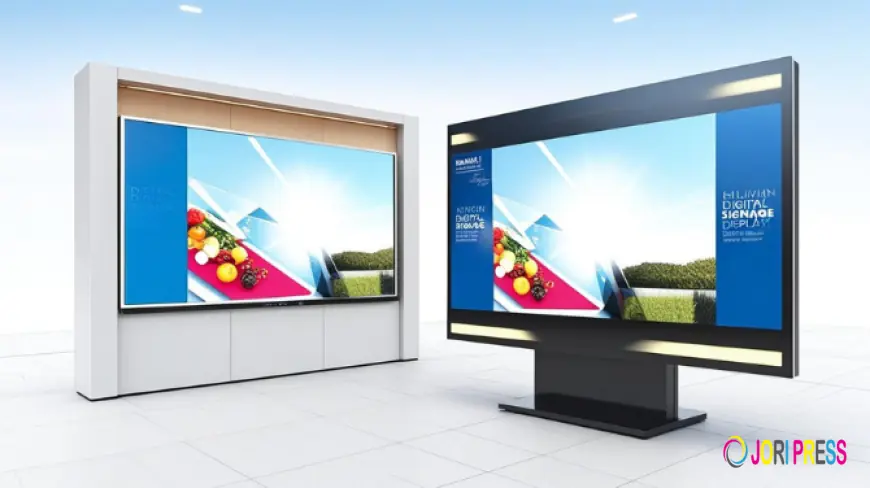
The world of visual communication is evolving at an unprecedented pace, and at the heart of this transformation lies Surface Mounted Device (SMD) display technology. Once limited to basic applications, SMD LED displays have rapidly matured into high-performance visual solutions that redefine clarity, durability, and user engagement. From corporate environments to immersive commercial spaces, next-generation LED screens are reshaping how information and experiences are delivered.
Evolution of SMD Display Technology:
Early LED displays were bulky, power-hungry, and visually restrictive. SMD innovation changed that narrative by integrating red, green, and blue diodes into a single compact package. This advancement enabled finer pixel pitches, lighter modules, and superior color blending. Today’s SMD displays offer ultra-high resolution, seamless panel alignment, and smoother refresh rates, making them ideal for close-viewing indoor applications.
Modern SMD modules now incorporate enhanced encapsulation techniques, improved PCB layouts, and intelligent driver ICs. These upgrades ensure stable signal transmission, reduced heat generation, and longer operational lifespans—critical factors for professional visual installations.
Visual Quality That Sets a New Standard:
One of the most impactful changes brought by next-gen SMD LED screens is the dramatic improvement in visual quality. Higher contrast ratios, deeper blacks, and accurate color calibration allow content to appear lifelike and immersive. Advanced grayscale processing ensures that images remain smooth and flicker-free, even at lower brightness levels, which is essential for indoor environments.
Wide viewing angles further enhance visibility, ensuring consistent color and brightness from different perspectives. Whether displaying static visuals, real-time data, or high-motion video, SMD displays deliver uniform performance that traditional technologies struggle to match.
Durability Meets Design Flexibility:
Innovation in SMD displays is not limited to visuals alone. Structural durability has become a defining feature of next-generation LED screens. Technologies like protective coatings and Glue-On-Board (GOB) processing shield LEDs from dust, moisture, and accidental impact. This results in fewer dead pixels, lower maintenance requirements, and improved reliability over time.
At the same time, SMD modules support creative design freedom. Their slim profiles and modular construction allow for custom screen sizes, curved installations, and seamless video walls. This flexibility makes them a preferred choice for architects and system integrators seeking both performance and aesthetics.
Smarter Integration in Digital Environments:
As businesses become more data-driven, display systems are expected to integrate effortlessly with smart infrastructure. Modern SMD LED screens support intelligent control systems, remote monitoring, and content management platforms. This connectivity allows users to schedule, update, and optimize visual content in real time.
In commercial and corporate spaces, digital signage plays a vital role in communication and branding. SMD displays enhance digital signage effectiveness by delivering sharper visuals, higher reliability, and energy-efficient operation. These qualities ensure uninterrupted messaging and a stronger visual impact.
Energy Efficiency and Sustainability:
Sustainability is now a key consideration in display innovation. Next-gen SMD technology focuses on reducing power consumption without compromising brightness or performance. Improved LED efficiency and optimized circuitry help lower operational costs while minimizing environmental impact.
Longer lifespans and reduced maintenance also contribute to sustainable use. By decreasing the frequency of replacements and repairs, SMD displays align with eco-conscious business practices—an important factor for large-scale digital signage networks operating around the clock.
Expanding Applications Across Industries:
The versatility of SMD LED displays has led to widespread adoption across industries. In retail, they create immersive brand experiences. In corporate settings, they enhance presentations and data visualization. Control rooms, broadcast studios, and hospitality venues rely on SMD displays for precision, reliability, and visual consistency.
The demand for high-resolution indoor displays continues to grow as digital signage becomes more interactive and content-driven. SMD innovation ensures that these systems can keep up with evolving expectations for quality and performance.
Conclusion
The future of visual technology is being shaped by rapid advancements in SMD display innovation. With continuous progress in micro-packaging, finer pixel pitch, and intelligent control systems, SMD LED displays are delivering more immersive, efficient, and reliable visual experiences than ever before. As digital environments become increasingly interactive, these next-generation displays are evolving beyond traditional screens into powerful communication tools. Their ability to combine superior image quality, long-term durability, and smart integration positions SMD technology at the forefront of modern visual solutions. Ultimately, SMD displays are redefining industry standards and setting new benchmarks for digital signage and advanced visual communication.
What's Your Reaction?
 Like
0
Like
0
 Dislike
0
Dislike
0
 Love
0
Love
0
 Funny
0
Funny
0
 Angry
0
Angry
0
 Sad
0
Sad
0
 Wow
0
Wow
0