







































Fat Grafting Treatment in Mumbai
Fat Grafting Treatment in Mumbai


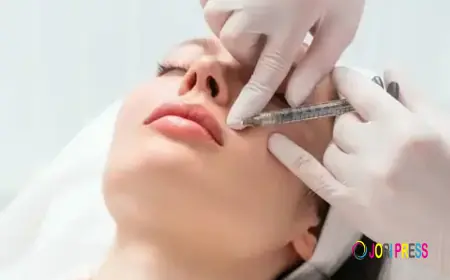
Fat grafting treatment in Mumbai is a cosmetic procedure that uses a person’s own body fat to restore volume, improve contours, and enhance the appearance of selected areas. Unlike procedures that rely on synthetic fillers or implants, fat grafting uses fat harvested from another part of the patient’s body. The technique can be considered for areas such as the face, breasts, buttocks, and other regions where additional volume may be desired.
Mumbai has a wide range of cosmetic and plastic surgery facilities where people can consult qualified plastic surgeons about fat grafting. However, the suitability of the procedure depends on individual anatomy, medical history, available donor fat, expectations, and the area being treated.
What Is Fat Grafting?
Fat grafting, also called fat transfer or autologous fat transfer, involves moving fat from one part of the body to another. The procedure generally has three main stages: harvesting the fat, processing the collected fat, and injecting the prepared fat into the desired area.
Fat is commonly harvested from areas such as the abdomen, thighs, hips, or flanks when sufficient excess fat is available. A surgeon uses liposuction techniques to collect the fat. The collected material is then processed to separate suitable fat cells from unwanted components. The prepared fat is subsequently injected into the treatment area using carefully planned techniques.
The objective is to create a natural-looking improvement while maintaining appropriate proportions and contours.
Why Do People Consider Fat Grafting?
People may consider fat grafting for different cosmetic reasons. Some individuals experience volume loss because of ageing, weight changes, genetics, or other factors. Fat transfer can provide an option for restoring some of this lost volume.
For facial applications, fat grafting may be considered for areas such as the cheeks, temples, under-eye region, or other areas affected by volume loss. For body contouring, the procedure may be considered when additional volume or shape enhancement is desired.
Because the procedure uses the patient’s own tissue, it can offer an alternative to certain synthetic materials. However, fat grafting is not appropriate for everyone, and results can vary considerably between individuals.
Fat Grafting Treatment in Mumbai: The Procedure
The first step is a detailed consultation with a qualified plastic surgeon. During the consultation, the surgeon evaluates the area that the patient wants to improve and identifies potential donor areas.
If the patient is considered suitable, the procedure generally begins with fat harvesting. Local or general anaesthesia may be used depending on the treatment area and the extent of the procedure.
The surgeon removes a carefully selected amount of fat using liposuction. The collected fat is processed before being transferred. Processing helps prepare the fat for placement in the recipient area.
The prepared fat is then injected in small amounts through multiple passes. Careful placement helps the surgeon shape the treated area and distribute the transferred tissue appropriately.
The exact technique, amount of fat required, anaesthesia, and treatment time depend on the individual procedure.
Areas Where Fat Grafting May Be Used
Fat grafting may be used for several cosmetic applications. Common areas include:
- Face and cheeks
- Temples
- Certain areas around the eyes
- Lips
- Breasts
- Buttocks
- Hands
- Areas requiring correction of contour irregularities
The suitability of fat transfer depends on the specific area and the patient’s goals. A qualified surgeon can explain which applications are appropriate and what results may reasonably be expected.
Fat Grafting in Mumbai for Facial Volume
Facial fat grafting is often considered by people who want to address volume loss associated with ageing or other factors. Loss of facial fat can contribute to changes in facial contours and may make certain areas appear hollow.
Fat transfer can be used to add volume to selected facial areas. Because the transferred material comes from the patient’s own body, the approach can provide a natural tissue-based option for volume restoration.
The amount of fat transferred depends on the treatment plan. Patients should understand that not all transferred fat necessarily survives permanently. Some fat can be reabsorbed by the body, which means the final result may differ from the immediate postoperative appearance.
Benefits of Fat Grafting
One potential benefit of fat grafting is that it combines fat removal from one area with volume enhancement in another. For patients who have suitable donor fat, this can provide a body-contouring component alongside volume restoration.
Other potential advantages include the use of the patient’s own tissue and the ability to tailor the amount of transferred fat to the treatment area.
However, benefits vary between individuals. Fat grafting should not be considered a guarantee of a particular cosmetic outcome.
Recovery After Fat Grafting
Recovery depends on the amount of fat harvested, the treated area, and the extent of the procedure. Patients may experience swelling, bruising, tenderness, or temporary discomfort following treatment.
The areas where fat was harvested may also require recovery because liposuction has been performed there. A surgeon may recommend specific instructions regarding physical activity, sleeping position, compression garments, wound care, and follow-up appointments.
Patients should follow their surgeon’s postoperative instructions carefully. Returning to strenuous physical activity too quickly may interfere with recovery.
The visible appearance immediately after surgery may not represent the final result because swelling gradually decreases during the healing process.
How Long Do Fat Grafting Results Last?
Fat grafting results can vary. Some of the transferred fat may be reabsorbed naturally by the body during the healing period. The amount of fat that remains can differ between patients and treatment areas.
The final appearance may therefore take time to develop. Factors such as surgical technique, individual healing, lifestyle, weight fluctuations, and the treated area can influence the result.
Maintaining a relatively stable weight may help preserve overall body contours, although natural ageing and other changes can still affect results over time.
Risks and Considerations
Like other surgical procedures, fat grafting carries potential risks. These may include infection, bleeding, swelling, bruising, changes in sensation, contour irregularities, asymmetry, scarring, and changes in the amount of transferred fat that survives.
There can also be risks specific to the area being treated. Patients should discuss these risks in detail with their surgeon before making a decision.
A consultation should include information about the procedure, anaesthesia, expected recovery, possible complications, alternatives, and circumstances that may require additional treatment.
Choosing a Fat Grafting Surgeon in Mumbai
Choosing a qualified and appropriately trained plastic surgeon is an important part of considering fat grafting in Mumbai. Patients can ask about the surgeon’s qualifications, experience with the specific procedure, the facility where the procedure will be performed, and the expected follow-up process.
During consultation, it can also be useful to ask:
- Is fat grafting suitable for my goals?
- Which area will be used as the donor site?
- How much fat may be required?
- What type of anaesthesia will be used?
- What should I expect during recovery?
- What are the possible complications?
- How long might the results take to become visible?
- What happens if some transferred fat is reabsorbed?
Clear communication helps patients develop realistic expectations before treatment.
Cost of Fat Grafting Treatment in Mumbai
The cost of fat grafting treatment in Mumbai varies depending on several factors. These may include the treatment area, amount of fat required, surgical technique, anaesthesia, facility charges, surgeon’s fees, investigations, and postoperative care.
Because every procedure is individually planned, a single fixed price may not accurately represent the cost for every patient. Patients should request a detailed quotation during consultation and clarify what is included.
Cost should be considered together with the surgeon’s qualifications, facility standards, treatment plan, and follow-up care.
Who May Be Suitable for Fat Grafting?
Suitability is determined during a medical consultation. Generally, candidates need to have realistic expectations and sufficient donor fat if fat harvesting is required.
People should disclose relevant medical conditions, medications, previous surgeries, allergies, smoking habits, and other factors that could affect surgery or recovery.
A surgeon may recommend another treatment if fat grafting is not appropriate for the patient’s particular needs.
Preparing for Fat Grafting
Preparation depends on the individual treatment plan. The surgeon may provide instructions regarding medications, smoking, alcohol, eating and drinking before surgery, and other preoperative requirements.
Patients should provide accurate information about their medical history and current medications. They should also arrange appropriate support for the recovery period if necessary.
Following preoperative instructions can help make the treatment process more organized and reduce avoidable risks.
Why Consultation Matters
A personal consultation is essential before undergoing fat grafting treatment. Online information can provide general knowledge, but it cannot determine whether the procedure is appropriate for a particular person.
During consultation, a surgeon can examine the treatment area, assess donor fat availability, discuss expectations, and develop an individualized plan. The surgeon can also explain alternative procedures when appropriate.
Conclusion
Fat grafting treatment in Mumbai offers a method of using a patient’s own fat to restore volume and improve contours in selected areas of the body. The procedure generally involves fat harvesting, processing, and carefully planned transfer to the desired area.
While fat grafting can provide natural tissue-based volume enhancement, outcomes vary and some transferred fat may be reabsorbed during healing. Understanding the procedure, recovery, potential risks, costs, and realistic outcomes is important before treatment.
Anyone considering fat grafting in Mumbai should consult a qualified plastic surgeon for an individualized assessment. A thorough consultation can help determine whether fat transfer is suitable and provide a clear understanding of the treatment process and expected recovery.
What's Your Reaction?
 Like
0
Like
0
 Dislike
0
Dislike
0
 Love
0
Love
0
 Funny
0
Funny
0
 Angry
0
Angry
0
 Sad
0
Sad
0
 Wow
0
Wow
0