









































7 Hidden Reasons Your CNC Tool Keeps Breaking
Discover 7 hidden reasons behind frequent CNC tool breakage, from incorrect cutting parameters to poor setup, and learn how to improve machining performance.
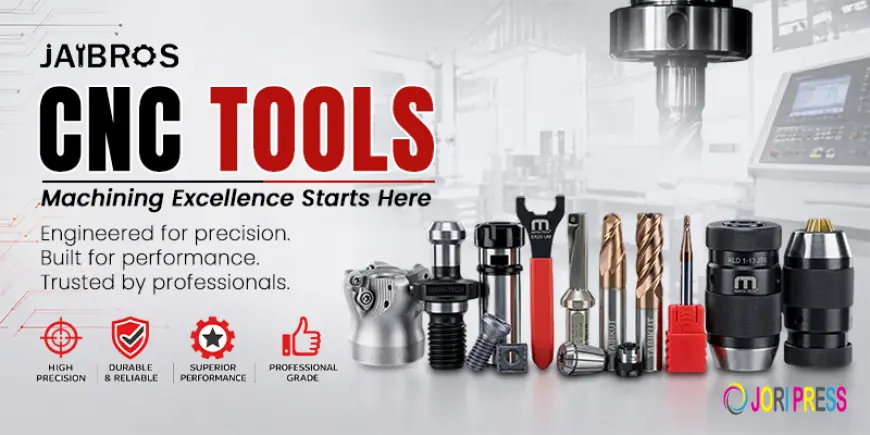
Why Your CNC Tool Keeps Breaking: 7 Hidden Causes Most Machinists Overlook
Tool breakage is a common challenge in machining, but replacing a damaged cnc tool without identifying the actual reason can lead to repeated failures and higher production costs. Even when a machine appears to be running normally, small problems with cutting parameters, material conditions, or tool setup can gradually damage the cutting edge. Understanding these hidden causes helps machinists improve machining accuracy, reduce downtime, and maintain consistent production quality.
1. Incorrect Cutting Speed and Feed Rate
One of the most common reasons for tool failure is using unsuitable cutting parameters. Every cutting application requires an appropriate combination of cutting speed, feed rate, and depth of cut.
Running at excessive speed can generate too much heat near the cutting edge, causing premature wear or sudden breakage. On the other hand, an excessively low feed rate can create rubbing instead of proper cutting, increasing friction and heat.
Machinists should always consider the workpiece material, tool grade, diameter, and machining operation before setting parameters. Following the manufacturer's recommended cutting conditions is a good starting point.
2. Poor Tool Holding and Machine Setup
Even a high-quality cnc tools selection cannot deliver reliable results if the setup is unstable. Incorrect clamping, loose holders, worn collets, or poor alignment can introduce vibration during machining.
This vibration, commonly called chatter, creates uneven cutting forces and places additional stress on the cutting edge.
Before starting production, check the tool holder, spindle condition, workpiece clamping, and tool projection. Keeping the tool overhang as short as practical also improves rigidity and reduces unnecessary movement.
3. Choosing the Wrong Tool for the Material
Different materials require different cutting geometries, coatings, and tool grades. A tool suitable for aluminium may not perform properly when machining stainless steel or cast iron.
For example, using unsuitable carbide drills for a hard material can result in excessive heat, poor chip evacuation, and edge damage.
Before selecting a cnc machine tool, machinists should understand the workpiece hardness, material properties, and machining requirements. Choosing the correct geometry and grade helps maintain cutting stability and reduces the risk of premature failure.
4. Poor Chip Evacuation During Machining
Chips are a normal result of metal cutting, but problems begin when they cannot leave the cutting zone properly.
Long or packed chips may become trapped around the cutting edge, causing repeated contact with the tool. This can increase heat, damage the machined surface, and eventually break the cutting edge.
This issue is particularly important during deep-hole drilling and internal machining. Suitable coolant delivery, proper chip-breaking geometry, and appropriate peck drilling cycles can help control chip accumulation.
Regularly inspect chip formation instead of focusing only on the finished workpiece.
5. Incorrect Coolant Application
Coolant does more than reduce temperature. It also helps lubricate the cutting zone, remove chips, and maintain machining stability.
If coolant flow is insufficient or directed incorrectly, heat can build up around the cutting edge. In some applications, interrupted or inconsistent coolant delivery can also contribute to thermal stress.
Check coolant concentration, pressure, nozzle direction, and flow rate according to the operation. For suitable applications, through-tool coolant can improve cooling and chip removal.
However, coolant requirements vary depending on the material, tool type, and machining process.
6. Ignoring Tool Wear and Using Damaged Cutting Edges
Many machinists continue using a cutting insert or drill even after visible wear has started. Although this may seem economical, an excessively worn cutting edge requires more cutting force and can damage the workpiece.
Cracks, chipping, built-up edges, and uneven wear are important warning signs.
For turning operations, inspect inserts regularly and replace them when they reach their recommended wear limit. Suitable deskar inserts can be selected according to the material and turning application.
You can explore the Deskar cutting tools collection to understand the available insert options.
7. Poor Maintenance and Unnoticed Machine Problems
Sometimes, the problem is not the cutting tool itself. Worn spindle bearings, damaged tool holders, poor lubrication, or incorrect machine alignment can create unstable machining conditions.
These issues may remain unnoticed because the machine continues operating, but they gradually affect cutting accuracy and tool life.
A regular maintenance routine should include checking spindle runout, inspecting holders, cleaning contact surfaces, and monitoring machine vibration.
Even basic checks with suitable measuring instruments and a reliable hand tool can help identify mechanical issues before they lead to major failures.
How to Reduce Frequent Tool Breakage
Preventing repeated failures requires a combination of correct tool selection, stable machine setup, and regular inspection.
Machinists should:
-
Follow recommended cutting speeds and feed rates.
-
Select tool grades according to the workpiece material.
-
Maintain proper clamping and tool alignment.
-
Monitor chip formation and coolant delivery.
-
Inspect cutting edges before and during production.
-
Follow preventive machine maintenance schedules.
These practices help improve machining consistency while reducing unnecessary tool replacement and production interruptions.
Conclusion
Frequent tool breakage is not always caused by poor tool quality. Incorrect cutting parameters, unstable setups, unsuitable tool selection, and neglected machine maintenance can all contribute to the problem. Identifying the actual cause is more effective than repeatedly replacing damaged tools.
At Jaibros, machinists and industrial buyers can explore a range of machining products, including drilling tools, cutting inserts, and other industrial tooling solutions. Selecting suitable products and following proper machining practices can help maintain reliable performance and support efficient production operations.
What's Your Reaction?
 Like
0
 Dislike
0
 Love
0
 Funny
0
 Angry
0
 Sad
0
 Wow
0