




































How to Choose Dog Boots for Snow and Ice Without Sacrificing Comfort

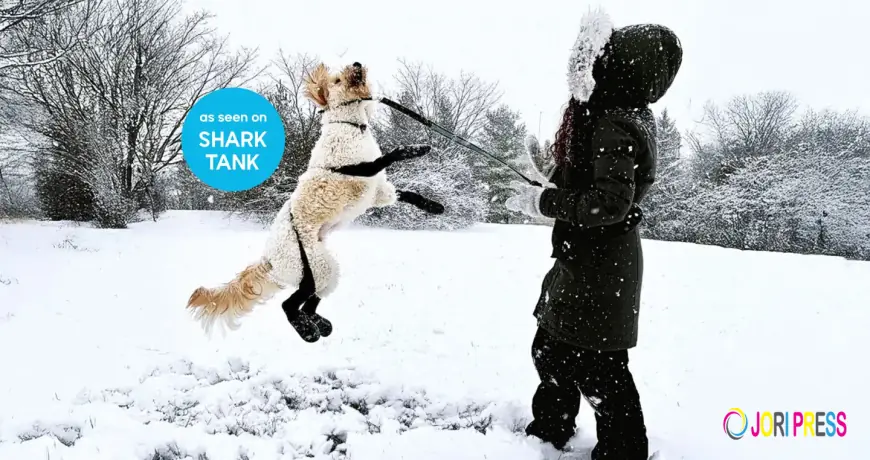
That snowy walk may look like a perfect adventure, but your dog's paws could be facing more trouble than you can see. Winter can cause dry, cracked, sore, or irritated paw pads, especially when dogs walk on ice, snow, or roads treated with salt.
Dog boots for snow can help protect paws in harsh conditions, but they are not needed for every dog or every walk. Good winter paw care starts with checking the weather, walking surface, and your dog's behavior. With a few simple habits, you can help your pet stay comfortable and enjoy colder months safely.
Why Does Winter Affect a Dog's Paws?
A dog's paw pads are tough, but they are not completely safe from extreme weather. Cold temperatures can make the skin on the paws dry and more likely to crack. Ice can also have rough or sharp edges that may cause small cuts.
Snow creates another problem. It can become packed between the toes, especially when a dog spends a long time outdoors. As the snow melts and freezes again, it can become uncomfortable and make walking harder.
Road salt and other ice-melting products can also irritate paw pads. Some dogs may lick these substances from their feet after a walk, which can cause stomach problems.
Signs Your Dog's Paws May Be Hurting
Dogs cannot tell us when their feet hurt, so pet parents need to notice small changes. A dog that suddenly slows down or refuses to walk may be trying to tell you something.
Watch for these common signs:
-
Lifting one or more paws while walking
-
Licking or chewing the feet more than usual
-
Limping or walking differently
-
Red, swollen, or cracked paw pads
-
Trying to avoid snow or icy ground
-
Suddenly wanting to go home during a walk
If you notice bleeding, a deep cut, severe swelling, or ongoing pain, stop the outdoor activity and speak with a veterinarian.
How Can You Protect Your Dog's Paws in Winter?
Good winter care does not have to be complicated. Small steps before and after a walk can make a big difference. Before going outside, check the ground and weather. Avoid very icy areas when possible. During walks, choose cleaner paths with less salt and sharp ice.
After coming home, gently wipe your dog's paws with a damp cloth. Check between the toes and around the paw pads for snow, ice, salt, or small pieces of dirt. Dry the feet well afterward.
Keeping the hair around the paws neatly trimmed can also help reduce the amount of snow that sticks between the toes. For dogs that spend a lot of time outdoors, regular winter paw checks can help you notice dryness, cracks, or irritation before they become bigger problems.
When Can Dog Boots Help?
Winter boots can be useful when the weather or ground is especially harsh. They create a barrier between the paws and the cold surface.
Dog paw protection winter can be especially helpful during long walks in deep snow, outdoor hikes, or trips across icy ground. Boots can also reduce contact with salt and other materials used to melt ice.
However, boots are not automatically right for every dog. Some dogs have no trouble walking in mild winter weather without them. Others may need extra protection because they have sensitive paws or spend a long time outdoors.
The most important thing is choosing boots that fit correctly. Boots that are too tight can rub the skin, while loose boots may slip off.
How to Help Your Dog Get Used to Boots?
Many dogs do not like wearing boots at first. The feeling can be strange, and some dogs may walk in a funny way when they first put them on.
Start indoors. Let your dog sniff the boots and become familiar with them. Put them on for a few minutes and offer praise. Slowly increase the time before taking your dog outside.
Check the paws after each use. If you see redness, rubbing, or swelling, remove the boots and check whether the size or design is causing the problem.
Patience is important. The goal is to protect your dog's paws without making them uncomfortable.
Are Boots the Only Winter Paw Protection?
No. Boots are just one option. Simple care can also help keep paws healthy. Shorten outdoor walks when the weather is extremely cold. Choose safer walking routes and avoid areas with heavy ice or salt. Clean your dog's paws after every winter walk.
You can also ask your veterinarian about suitable paw-care products if your dog's pads become unusually dry or cracked. Do not use human creams or treatments unless a veterinary professional says they are safe for dogs.
Wrapping It Up
Winter does not have to keep your dog indoors. With careful planning and regular paw checks, most pets can continue to enjoy outdoor activities during colder months. Dog paw protection winter can include boots, cleaning, grooming, and choosing safer walking routes. Pay attention to signs of discomfort and make sure any footwear fits properly.
Most importantly, build simple paw-care habits into your routine. This can help your furry friend enjoy winter walks while reducing the chance of sore, cracked, or irritated paws.
What's Your Reaction?
 Like
0
Like
0
 Dislike
0
Dislike
0
 Love
0
Love
0
 Funny
0
Funny
0
 Angry
0
Angry
0
 Sad
0
Sad
0
 Wow
0
Wow
0