
































Window Winder vs Power Window Regulator: Which One is Better for Your Vehicle?
Modern vehicles have evolved significantly over the years, especially when it comes to convenience and comfort. One component that has seen remarkable improvement is the window winder. While older vehicles relied on manual window winders, today's cars are increasingly equipped with power window regulators that offer effortless operation with the push of a button.
But which system is better? Whether you're a vehicle owner, automotive enthusiast, or spare parts distributor, understanding the differences between a window winder and a power window regulator can help you make the right decision. In this guide, we'll compare both systems, explain their advantages, discuss common issues, and help you choose the right solution for your vehicle.
What is a Window Winder?
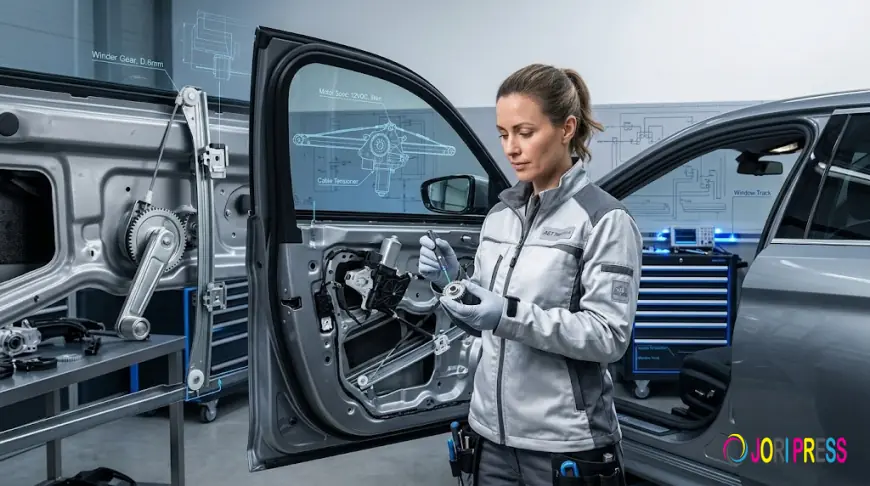
A window winder is a mechanical device used to raise and lower a vehicle's window manually. It operates through a hand crank connected to gears and cables inside the door panel. Rotating the handle moves the window glass up or down without requiring electricity.
Manual window winders have been widely used in passenger cars, utility vehicles, and commercial vehicles because of their simple design and dependable performance.
Key Features of a Window Winder
-
Operates manually using a rotating handle.
-
Simple and reliable mechanical construction.
-
Requires no electrical power.
-
Easy to repair and maintain.
-
Cost-effective compared to electric systems.
-
Suitable for rugged and heavy-duty applications.
What is a Power Window Regulator?
A power window regulator performs the same function as a manual window winder but uses an electric motor instead of a hand crank. Pressing a switch activates the motor, allowing the window to move smoothly and quickly.
Power window systems have become a standard feature in most modern vehicles because they improve convenience, passenger comfort, and overall driving experience.
Benefits of Power Window Regulators
-
One-touch window operation.
-
Smooth and quiet movement.
-
Improved passenger convenience.
-
Enhanced safety with central controls.
-
Better integration with vehicle electronics.
-
Premium driving experience.
Window Winder vs Power Window Regulator
Both systems have unique advantages depending on vehicle type and user requirements.
1. Ease of Use
A manual window winder requires physical effort, while a power window regulator operates with a simple button press.
2. Maintenance
Manual window winders contain fewer components, making them easier and less expensive to maintain. Electric regulators require periodic inspection of motors, switches, and wiring.
3. Cost
Window winders are generally more affordable due to their simple mechanical design. Power window systems involve higher manufacturing and replacement costs.
4. Reliability
Manual systems are less prone to electrical failures, whereas modern electric regulators offer excellent reliability when manufactured with quality components.
5. Vehicle Compatibility
-
Manual window winders are common in entry-level and commercial vehicles.
-
Power window regulators are widely used in modern passenger cars and premium vehicles.
Common Problems with Window Winder Systems
Like any mechanical component, a window winder can experience wear over time.
Some common issues include:
-
Broken or loose window handles.
-
Worn-out gears.
-
Damaged cables.
-
Difficulty raising or lowering the window.
-
Window slipping inside the door.
-
Rust or corrosion in mechanical parts.
Routine maintenance and timely replacement of worn components can significantly extend the life of the mechanism.
Signs Your Window Winder Needs Replacement
Ignoring early warning signs can lead to complete window failure.
Watch for these symptoms:
-
Window moves unevenly.
-
Excessive resistance while turning the handle.
-
Grinding or clicking noises.
-
Broken crank handle.
-
Window refuses to stay in position.
-
Window gets stuck midway.
Replacing damaged components early helps avoid larger repair costs.
Advantages of Choosing Quality Window Components
Whether you're using a manual window winder or an electric regulator, quality matters.
High-quality automotive window systems provide:
-
Longer service life.
-
Smooth window movement.
-
Better corrosion resistance.
-
Improved passenger safety.
-
Reduced maintenance costs.
-
Precise fitment for various vehicle models.
-
Consistent performance under daily use.
Premium materials and precision engineering ensure dependable operation for years.
Tips for Maintaining Your Window Winder
Proper maintenance improves performance and increases component lifespan.
Best Practices
-
Keep the door mechanism clean.
-
Lubricate moving parts periodically.
-
Avoid forcing the handle.
-
Replace worn gears and cables promptly.
-
Inspect mounting points during servicing.
-
Protect components from excessive moisture.
Regular inspection helps prevent unexpected failures and costly repairs.
Choosing the Right Automotive Window Solution
When selecting a window system, consider:
-
Vehicle type.
-
Frequency of use.
-
Budget.
-
Maintenance requirements.
-
Availability of spare parts.
-
OEM compatibility.
-
Product quality.
For modern passenger vehicles, power window regulators offer greater convenience. However, manual window winders remain a practical and dependable choice for many commercial and utility applications.
Why Choose Harisons India?
With over 55 years of automotive manufacturing expertise, Harisons India has earned a reputation for producing reliable automotive components for OEM and aftermarket customers.
Why Customers Trust Harisons India
-
Decades of manufacturing excellence.
-
Precision-engineered automotive components.
-
Premium-quality window regulator assemblies.
-
Advanced manufacturing infrastructure.
-
Strict quality control processes.
-
ISO 9001:2015 certified manufacturing.
-
Durable and reliable products.
-
OEM and aftermarket solutions.
-
Experienced engineering team.
-
Customer-focused support and timely delivery.
Our commitment to innovation and quality ensures every automotive component delivers consistent performance and long-lasting reliability.
Conclusion
The choice between a window winder and a power window regulator depends on your vehicle, budget, and performance requirements. Manual window winders remain a reliable and economical option, while power window regulators provide unmatched convenience and modern functionality.
Regardless of the system you choose, investing in high-quality automotive components ensures better performance, improved safety, and a longer service life. Harisons India continues to manufacture precision-engineered automotive solutions that meet the highest standards of quality, durability, and customer satisfaction.
Frequently Asked Questions (FAQs)
1. What is a window winder?
A window winder is a manual mechanism that raises and lowers a vehicle's window using a hand-operated crank.
2. Is a manual window winder better than a power window regulator?
Both have advantages. Manual systems are simple and economical, while power regulators offer greater convenience and ease of use.
3. How long does a window winder last?
A well-maintained window winder can last for many years, depending on usage and operating conditions.
4. What causes a window winder to fail?
Common causes include worn gears, damaged cables, corrosion, broken handles, and lack of maintenance.
5. Why should I choose Harisons India for automotive window components?
Harisons India combines decades of manufacturing expertise, advanced production technology, and strict quality standards to deliver reliable automotive solutions for OEM and aftermarket customers.
What's Your Reaction?
 Like
0
Like
0
 Dislike
0
Dislike
0
 Love
0
Love
0
 Funny
0
Funny
0
 Angry
0
Angry
0
 Sad
0
Sad
0
 Wow
0
Wow
0