










































What Should Collectors Know About Howard Harris’s Dimensional Photography Process?
Howard Harris's dimensional photography
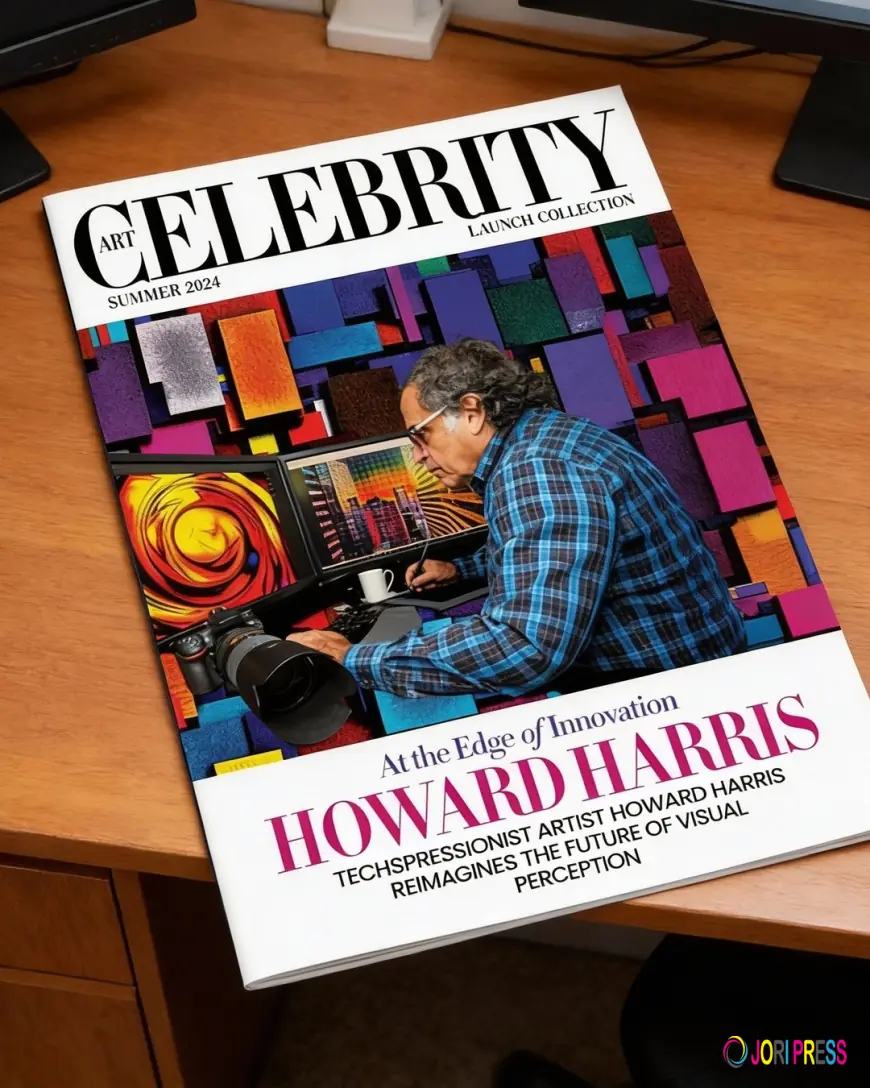
For collectors, Howard Harris's dimensional photography is not just a photo placed on a wall. It is built to change how an image is seen. A single image can be layered on clear acrylic surfaces and set over a subtle grid. Light and viewing angle then become part of the visual experience.
What Defines Howard Harris’s Dimensional Photography?
The main idea is visual perception, meaning how a person sees and feels an image. The art looks at how these things can change what the viewer sees:
● Light
● Color
● Movement
● Space
● Viewing angle
● Viewer position
The aim is to create a changing visual experience instead of a fixed, flat image.
How a Single Image Becomes a Layered Artwork
The process starts with one photographic image. That image can be abstracted before the layering begins.
From One Image to Many Visual Layers
The image is layered over itself on clear acrylic surfaces. It is then placed over a subtle grid. This creates a physical structure within the artwork. The layers can give the image a sense of depth and movement. The key point is clear: the dimensional effect comes from the way the image is physically built.
The Role of Clear Acrylic Surfaces
Clear acrylic is part of the artwork's construction. It is not just a cover placed over the finished image. The photographic imagery sits on these clear surfaces as part of the layered design. This gives collectors another detail to notice when looking closely at the piece. The acrylic also supports the changing visual effect created by the layered image.
Why the Subtle Grid Matters
The subtle grid is another part of the construction. It sits with the layered photographic image and adds structure to the piece. However, exact details about the grid are not given.
Collectors should not assume its:
● Size
● Spacing
● Color
● Material
● Number of lines
Its role is best understood as part of the visual structure.
How Light Changes the Visual Experience
Light can change how the artwork looks. It does more than make the image visible. Light interacts with the layered surfaces and can affect what the viewer sees. This means the room around the artwork has value. A collector can notice how the piece looks under different light and at different times.
Why Viewing Angle Affects Perception
The artwork is not meant to be seen from only one fixed position.
A viewer can:
● Move closer
● Step back
● Move to the side
● Look from another angle
As the viewer moves, the relationship between the layers can seem to change. This makes the viewer part of the visual experience.
Where Photography, Design, and Technology Meet
Howard Harris's dimensional photography brings photography, design, technology, and visual perception together. Industrial design is also an important part of Harris's background. He earned a Master of Industrial Design from Pratt Institute after earning a BFA from the Kansas City Art Institute.
His studies also included economics, computer science, and sublimation color research. This background gives useful context to the careful physical and visual design of the artwork.
What Makes the Artwork Physically Dimensional?
The artwork gains its dimension through physical layering. The process can be understood in four parts:
● One photographic image
● Layered photographic imagery
● Clear acrylic surfaces
● A subtle grid
Together, these parts create a visual effect that can change with light and viewing angle. That is different from simply making a flat photograph look deep.
What Collectors Should Consider When Viewing the Work
Collectors can look beyond the main image. The construction itself deserves attention.
A useful viewing approach is to:
● Look at the piece from several angles.
● Move closer, then step back.
● Notice how light changes the image.
● Give large pieces enough open space.
Large works can benefit from room around them. For example, Blanca Storm measures 54 by 36 inches, while Da Vinci's Pets measures 36 by 30 inches. The space should let viewers see the artwork without nearby objects blocking their view.
Final Thoughts
Howard Harris's dimensional photography gives collectors a different way to experience a photographic image. Its physical layers, clear acrylic surfaces, subtle grid, light, and viewing angle all play a part. The result is artwork that can feel different as the viewer moves. That changing experience is a key part of its visual identity.
What's Your Reaction?
 Like
0
Like
0
 Dislike
0
Dislike
0
 Love
0
Love
0
 Funny
0
Funny
0
 Angry
0
Angry
0
 Sad
0
Sad
0
 Wow
0
Wow
0