








































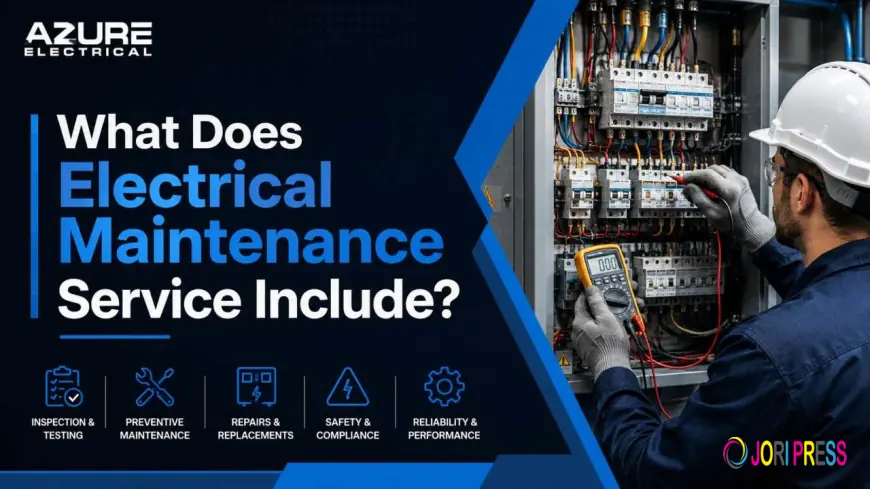
What Does Electrical Maintenance Service Include?
Discover what Electrical Maintenance Services include, from inspections and testing to wiring, panels, preventive maintenance, repairs, and safety checks.

Electrical systems are essential to almost every commercial building, industrial facility, office, retail space, and workplace. From lighting and power distribution to machinery, HVAC systems, safety equipment, and backup power, businesses depend on electricity to operate smoothly. However, electrical systems can develop faults over time due to wear, overloading, poor connections, moisture, aging components, or inadequate maintenance.
This is where Electrical Maintenance Services become important. They involve a planned set of inspections, testing, repairs, preventive measures, and system improvements designed to keep electrical installations safe, reliable, and efficient.
But what exactly is included in electrical maintenance? This guide explains the major components, benefits, frequency, and situations where professional maintenance may be required.
What Are Electrical Maintenance Services?
Electrical Maintenance Services refer to the inspection, testing, servicing, repair, and upkeep of electrical equipment and systems. The objective is to identify potential problems before they become expensive failures or safety hazards.
Depending on the type and size of a facility, maintenance may cover:
-
Electrical panels and distribution boards
-
Wiring and electrical connections
-
Circuit breakers and protective devices
-
Switches, sockets, and isolators
-
Lighting systems
-
Motors and electrical equipment
-
Generators and backup power systems
-
UPS systems
-
Transformers
-
Earthing and grounding systems
-
Emergency electrical systems
-
Control panels and related components
A professional maintenance program generally combines preventive inspections with corrective repairs when faults are identified.
What Does Electrical Maintenance Service Include?
The exact scope varies according to the building, equipment, electrical load, and operational requirements. However, a comprehensive service commonly includes the following.
1. Electrical Inspection and Visual Checks
Routine inspection is one of the first steps in electrical maintenance. Technicians examine equipment and installations for visible signs of deterioration or damage.
They may check for:
-
Burn marks or overheating
-
Damaged insulation
-
Loose connections
-
Corrosion
-
Exposed wiring
-
Cracked switches or outlets
-
Unusual smells
-
Signs of moisture
-
Improperly installed components
These checks can reveal problems that might otherwise remain unnoticed until an electrical failure occurs.
2. Testing of Electrical Components
Visual inspection alone cannot identify every electrical problem. Testing helps determine whether electrical equipment is operating within acceptable parameters.
Depending on the system, technicians may perform tests related to:
-
Voltage
-
Current
-
Continuity
-
Insulation resistance
-
Circuit protection
-
Earthing and grounding
-
Electrical load
-
Phase balance
Testing should be performed using appropriate equipment and by qualified professionals who understand the electrical system being tested.
3. Electrical Panel and Distribution Board Maintenance
Electrical panels are central to power distribution within many commercial and industrial properties. Maintenance can include inspecting breakers, busbars, terminals, connections, and internal components.
Technicians may identify loose terminals, overheating, corrosion, damaged breakers, or signs of excessive loading.
Keeping panels properly maintained can help reduce the likelihood of unexpected outages and equipment damage.
4. Wiring and Connection Checks
Loose or deteriorated electrical connections can create resistance and heat. Over time, this can contribute to equipment failure or create a serious electrical hazard.
Maintenance professionals inspect wiring, terminals, junction boxes, and connections for deterioration or improper installation. Where necessary, damaged components are repaired or replaced according to applicable requirements.
5. Lighting System Maintenance
Commercial lighting systems require regular attention, particularly in offices, warehouses, factories, retail facilities, and large buildings.
Commercial Electrical Services may include maintenance of:
-
Indoor lighting
-
Outdoor lighting
-
Emergency lighting
-
LED systems
-
Exit signs
-
Control switches
-
Lighting circuits
Replacing faulty components and addressing wiring or control issues can help maintain safe and consistent illumination.
6. Preventive Maintenance of Electrical Equipment
Preventive maintenance focuses on identifying potential failures before they interrupt operations.
Depending on the facility, this may involve scheduled inspection and servicing of motors, control panels, generators, UPS systems, transformers, and other electrical equipment.
The maintenance schedule should be based on factors such as equipment type, operating conditions, manufacturer's recommendations, age, usage, and the consequences of failure.
Preventive vs Corrective Electrical Maintenance
There are two common approaches to electrical maintenance.
Preventive maintenance is performed on a planned schedule. Its purpose is to identify and address potential issues before they result in equipment failure.
Corrective maintenance takes place after a fault or problem has been identified. For example, a damaged breaker, failed motor connection, or faulty circuit may require corrective action.
A strong maintenance strategy uses preventive maintenance wherever practical while also having procedures for corrective and emergency repairs.
What Is an Emergency Commercial Electrician?
An Emergency Commercial Electrician provides urgent electrical assistance when a commercial property experiences a serious or unexpected electrical problem.
Examples may include:
-
Sudden power loss
-
Electrical burning smells
-
Sparking equipment
-
Repeated breaker trips
-
Damaged electrical wiring
-
Partial power failure
-
Electrical faults affecting critical equipment
Emergency services are not a replacement for preventive maintenance. Instead, they provide a response when an unexpected problem requires immediate professional attention.
For businesses that rely heavily on continuous electrical operation, having an established emergency response plan can reduce disruption and help address electrical hazards promptly. Azure Electrical can be considered as part of a facility's broader electrical maintenance planning when professional support is required.
Why Are Regular Electrical Maintenance Services Important?
Regular maintenance provides benefits beyond simply preventing breakdowns.
Improved Electrical Safety
Electrical faults can create risks such as electric shock, overheating, equipment damage, and fire. Routine inspection helps identify hazardous conditions before they become more serious.
Reduced Unexpected Downtime
Electrical failures can interrupt production, business operations, communications, refrigeration, security systems, and other critical functions. Preventive maintenance can reduce the likelihood of unexpected interruptions.
Longer Equipment Life
Well-maintained electrical equipment can often operate more reliably over its service life. Detecting issues such as overheating, poor connections, or abnormal loads early may help prevent unnecessary component damage.
Better Energy Management
Electrical maintenance can also reveal inefficient equipment, unbalanced loads, poor connections, or other conditions that may affect energy performance. Addressing these issues can contribute to more efficient operation.
Better Maintenance Planning
Scheduled inspections make it easier for facility managers to identify recurring problems and plan repairs, replacements, and budgets instead of responding only after failures occur.
How Often Should Electrical Maintenance Be Done?
There is no single maintenance schedule suitable for every property. Frequency depends on the type of electrical installation, operating environment, equipment age, usage, electrical load, manufacturer recommendations, and applicable regulations.
High-use industrial facilities may require more frequent inspections than a small office. Facilities exposed to dust, heat, moisture, vibration, or corrosive environments may also need additional attention.
A qualified electrical professional can assess the installation and develop a maintenance schedule based on actual operating conditions.
Signs Your Business Needs Electrical Maintenance
Businesses should not wait for a complete electrical failure before arranging maintenance. Warning signs can include:
-
Frequently tripping circuit breakers
-
Flickering or dimming lights
-
Burning or unusual electrical smells
-
Buzzing or crackling sounds
-
Warm electrical panels or outlets
-
Repeated equipment failures
-
Unexpected power interruptions
-
Damaged cables or insulation
-
Unusual electrical noise from equipment
If any of these symptoms appear, the affected equipment should be assessed by a qualified professional rather than repeatedly reset or used without investigation.
How to Choose a Reliable Electrical Maintenance Provider
When selecting a provider for Electrical Maintenance Services, businesses should consider more than price.
Look for a service provider that:
-
Has appropriately qualified and experienced technicians.
-
Understands commercial and industrial electrical systems.
-
Provides clear inspection and maintenance reports.
-
Follows applicable safety requirements and standards.
-
Offers preventive as well as corrective maintenance.
-
Can respond appropriately to urgent electrical faults.
-
Explains identified problems and recommended solutions clearly.
A professional provider should also understand that every facility has different electrical risks and operational requirements. Azure Electrical, for example, can be evaluated based on the specific maintenance requirements of a commercial or industrial facility rather than simply choosing a provider based on a generic service list.
What Should an Electrical Maintenance Checklist Include?
A practical maintenance checklist may include:
-
Inspecting electrical panels
-
Checking connections and terminals
-
Examining wiring and insulation
-
Testing protective devices
-
Checking grounding and earthing
-
Inspecting lighting systems
-
Reviewing electrical loads
-
Testing backup power equipment where applicable
-
Recording identified defects
-
Prioritizing safety-critical repairs
-
Maintaining service records
Keeping documented records is particularly useful for facility managers because it helps track recurring issues, completed repairs, and future maintenance requirements.
Final Thoughts
Electrical Maintenance Services are an essential part of keeping commercial and industrial electrical systems safe, dependable, and functional. They can include inspections, electrical testing, panel maintenance, wiring checks, equipment servicing, lighting maintenance, preventive repairs, and emergency support.
The most effective approach is proactive rather than reactive. Regular inspections can identify developing problems before they cause significant downtime, equipment damage, or safety concerns. Businesses should also ensure that electrical work is handled by appropriately qualified professionals and that maintenance practices match the specific requirements of their facility.
Whether a business needs routine Commercial Electrical Services, preventive maintenance, or assistance from an Emergency Commercial Electrician, having a structured electrical maintenance plan can make electrical systems more reliable and easier to manage. Azure Electrical can be assessed alongside other qualified providers based on technical capability, safety practices, responsiveness, and the specific requirements of the property.
Frequently Asked Questions
1. What is included in electrical maintenance services?
Electrical Maintenance Services typically include electrical inspections, testing, wiring and connection checks, panel maintenance, circuit protection checks, lighting maintenance, equipment servicing, grounding checks, and corrective repairs. The exact scope depends on the facility and its electrical equipment.
2. How often should commercial electrical systems be inspected?
The required frequency depends on the type of facility, equipment, operating environment, electrical load, age of the installation, and applicable requirements. High-risk or heavily used facilities may require more frequent inspections than smaller commercial properties.
3. What are the signs that an electrical system needs maintenance?
Common warning signs include flickering lights, frequently tripping breakers, burning smells, buzzing sounds, warm outlets or panels, damaged wiring, repeated equipment failures, and unexplained power interruptions. These issues should be professionally assessed rather than ignored.
4. When should I call an emergency commercial electrician?
An Emergency Commercial Electrician may be needed when a business experiences an urgent electrical problem such as sparking, burning smells, exposed or damaged wiring, sudden power failure, repeated breaker trips, or another condition that could pose a safety risk or seriously disrupt operations.
5. Can electrical maintenance reduce business downtime?
Yes. Preventive maintenance can identify deteriorating components, loose connections, overloaded circuits, and other potential problems before they result in unexpected failures. While maintenance cannot eliminate every electrical breakdown, it can help reduce preventable interruptions and improve system reliability.
What's Your Reaction?
 Like
0
Like
0
 Dislike
0
Dislike
0
 Love
0
Love
0
 Funny
0
Funny
0
 Angry
0
Angry
0
 Sad
0
Sad
0
 Wow
0
Wow
0