







































What Are Halim Seeds? A Complete Guide to Benefits, Uses and Side Effects
What are halim seeds? Learn their nutrition, potential benefits, safe ways to eat them, side effects, and who should avoid them in this India guide today.
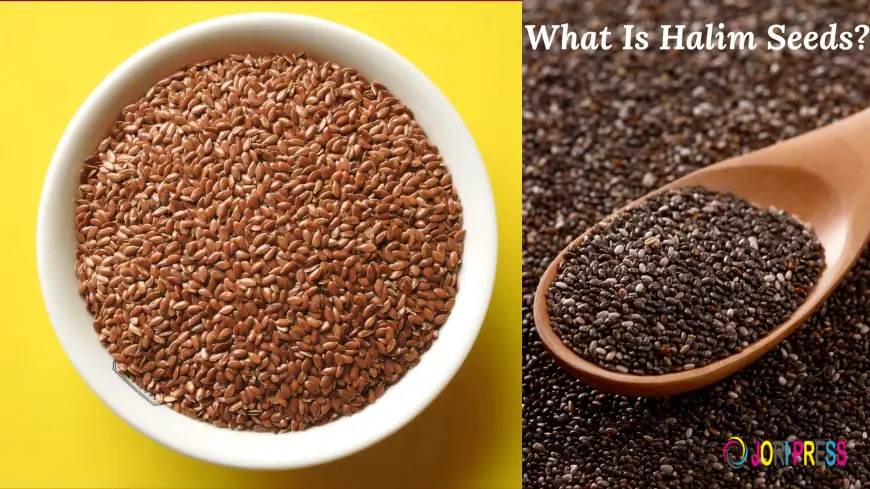
Halim seeds are the tiny reddish-brown seeds of garden cress (Lepidium sativum). In India, people also call them aliv or chandrasur seeds. They provide protein, fibre, plant-based iron, minerals, and unsaturated fats. Research supports their value as a nutritious food, but it does not prove that they cure anaemia, improve lactation, or treat any disease.
What Are Halim Seeds?
Halim seeds come from garden cress, an edible annual plant in the Brassicaceae family. That makes the plant a botanical relative of mustard, cabbage, and broccoli. The seeds measure only a few millimetres and usually look reddish-brown or dark brown.
Across India, labels may say halim, aliv, chandrasur, chandrashoor, or garden cress seeds. They taste mildly peppery and develop a soft, gel-like coating after soaking.
What Nutrients Do Halim Seeds Contain?
Halim seeds contain protein, fibre, fat, iron, calcium, magnesium, phosphorus, and potassium. They also supply alpha-linolenic acid, or ALA, which is a plant omega-3 fatty acid. Exact figures vary with the seed variety, soil, climate, and laboratory method.
A peer-reviewed review cited one analysis with about 24% protein, 28% fat, and 7% crude fibre by dry weight. These composition findings do not prove a specific health outcome.
What Are the Evidence-Based Halim Seeds Benefits?
The clearest halim seeds benefits come from their nutrient content. Current research cannot support claims that the seeds cure or prevent disease.
Can They Support Iron Intake?
Yes, halim seeds can add non-heme iron to vegetarian meals. Your body needs iron to make haemoglobin, the protein that carries oxygen in red blood cells. Pair the seeds with a vitamin C-rich food such as amla, guava, orange, tomato, or lemon because vitamin C improves the absorption of non-heme iron.
Small food-based studies reported better haemoglobin after garden cress preparations, but their size and design limit the conclusions. If you suspect iron deficiency, seek testing. Halim seeds cannot replace a diagnosis or prescribed iron treatment.
Do They Help Digestion?
Their fibre and water-holding mucilage add bulk and may support regular bowel movements. Start with a small portion because a sudden rise in fibre may cause gas or bloating.
Can They Support Heart and Bone Health?
Halim seeds supply ALA plus calcium, magnesium, and phosphorus. Studies on cholesterol and fracture healing rely mainly on animals, so human evidence cannot promise either result.
Do They Increase Breast Milk?
Some food traditions use garden cress after childbirth, but strong human trials have not shown that it increases milk supply. Ask your doctor or dietitian before regular use while breastfeeding.
What Does Current Research Actually Show?
Research confirms the seeds' nutrient content. Most claims about rapid weight loss, hair regrowth, diabetes control, or hormone balance rely on laboratory, animal, or small human studies.
For a shorter overview of the seed and its traditional uses, read Organic Spree's guide on what halim seeds are good for. Focus on whether a small amount fits your diet and medical needs.
How Can You Use Them in Food?
You can soak, roast, or cook halim seeds. No official daily dose exists for general health. Begin with a small culinary amount and follow the pack directions.
Soak Them for Drinks or Breakfast Bowls
Soak the seeds for 2 to 3 hours, or overnight, until a gel forms. Stir them into water, milk, curd, porridge, or a smoothie, and drink enough fluid.
Use Them in Familiar Indian Recipes
Add soaked or lightly roasted seeds to halim ladoos, kheer, soups, dal, or energy bites. Keep added sugar and ghee in mind. A nutritious seed does not erase the rest of the recipe.
Are They the Same as Chia or Sabja Seeds?
No. Halim comes from Lepidium sativum, chia from Salvia hispanica, and sabja usually from sweet basil, Ocimum basilicum. All three form a gel in liquid, but they come from different plants and have different nutrient profiles.
What Are the Possible Halim Seeds Side Effects?
Most people can use modest food amounts. Larger quantities may cause digestive discomfort, while human safety data remain limited for pregnancy, thyroid disease, and medicine interactions.
Gas, Bloating, or Stomach Discomfort
Fibre and mucilage can cause gas, fullness, or loose stools if you increase the amount too quickly. Reduce the portion or stop use if symptoms continue. Seek medical care for a serious allergic reaction.
Pregnancy and Breastfeeding
Avoid regular medicinal or high-dose use during pregnancy unless your obstetrician approves it. Traditional references describe uterine-stimulating effects, while reliable human safety data are missing. Breastfeeding use also needs individual advice because evidence for milk production remains weak.
Thyroid Conditions and Medicines
Garden cress contains goitrogenic compounds. If you have hypothyroidism or iodine deficiency, ask a clinician before frequent use. Do the same if you take medicines for blood glucose, blood pressure, fluid balance, or blood clotting because human interaction data remain limited.
How Should You Choose and Store Them?
Choose food-grade seeds in a sealed pack with batch details and an expiry date. Store them airtight in a cool, dry place. Discard seeds with insects, moisture, mould, or a rancid smell.
The Final Answer
Halim seeds are garden cress seeds, not medicine. They add protein, fibre, non-heme iron, minerals, and unsaturated fats to an Indian diet. Use small portions and treat disease claims with caution.
If halim suits your diet and your clinician has not advised against it, you can try Organic Spree Halim Seeds and follow the preparation and serving guidance on the pack.
Frequently Asked Questions
1. What Are Halim Seeds Called in English?
They are garden cress seeds in English. Their botanical name is Lepidium sativum. Indian labels may also say aliv, chandrasur, or chandrashoor.
2. Can They Cure Iron-Deficiency Anaemia?
No. They contribute plant-based iron but cannot cure anaemia. A doctor may use haemoglobin, ferritin, and other tests to find the cause and choose treatment.
3. Can You Eat Halim Seeds Every Day?
Many healthy adults can use a small food portion regularly, but no universal daily dose exists. Get personal advice during pregnancy, breastfeeding, medicine use, or a medical condition.
4. Do They Need Soaking?
No. Soaking softens the seeds and creates a gel for drinks, curd, and porridge. You can also roast or cook them in recipes.
5. Are They Good for Weight Loss?
Their fibre may make a meal more filling, but no single food causes fat loss. Your overall eating pattern, sleep, and activity matter more.
What's Your Reaction?
 Like
0
Like
0
 Dislike
0
Dislike
0
 Love
0
Love
0
 Funny
0
Funny
0
 Angry
0
Angry
0
 Sad
0
Sad
0
 Wow
0
Wow
0