







































What Affects the Quality and Lifespan of Concrete Work in Grand Blanc, MI?
Learn how Michigan weather, drainage, ground preparation, concrete quality, and proper installation affect concrete lifespan in Grand Blanc, MI. Explore winter care tips.

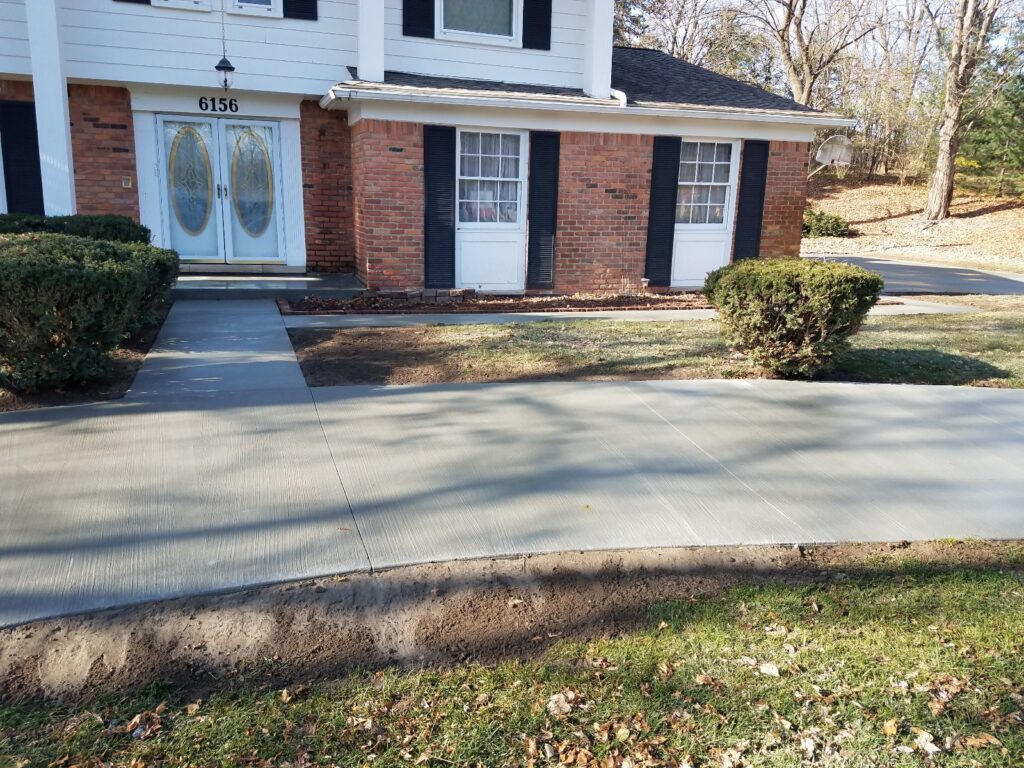
The quality and lifespan of concrete work depend on ground preparation, drainage, material quality, installation methods, and maintenance. Michigan's changing temperatures and winter conditions make these factors particularly important for outdoor concrete surfaces. Homeowners comparing concrete contractors in Grand Blanc, MI should ask how the contractor prepares the ground, selects the concrete mix, places control joints, and protects the surface during curing. These steps affect how well driveways, patios, walkways, and other concrete structures handle regular use and changing weather over the years.
What Factors Affect the Lifespan of a Concrete Driveway in Grand Blanc, MI?
A concrete driveway's lifespan depends on the quality of its base, concrete mix, slab thickness, drainage, curing, and daily traffic. Homeowners working with concrete driveway contractors in Grand Blanc, MI should pay attention to these factors before installation.
The following details influence driveway durability:
-
Ground preparation: The supporting soil should be stable, properly graded, and compacted before concrete is poured.
-
Concrete quality: The mix should be suitable for outdoor surfaces exposed to Michigan's changing temperatures.
-
Slab thickness: The driveway should have adequate thickness for the vehicles and traffic it will support.
-
Control joints: Properly positioned joints help control where concrete cracks as it naturally expands, contracts, and dries.
-
Curing: Concrete needs sufficient time and suitable conditions to develop its intended strength.
A properly installed and maintained concrete driveway can last for decades. However, poor preparation or inadequate curing can shorten its service life, even when good materials are used.
How Do Michigan's Winter Temperature Changes Damage Concrete?
Repeated freezing and thawing can damage concrete when water enters its pores or small cracks, freezes, and expands. As temperatures rise, the ice melts, allowing water to enter the concrete again. Repeated changes can cause surface flaking, cracking, and deterioration.
For outdoor concrete services in Grand Blanc, MI, the concrete mix should be suitable for local winter conditions. Air-entrained concrete contains small air spaces that provide room for water to expand when it freezes. This helps reduce pressure inside the concrete and improves resistance to winter damage.
Road salt and other deicing products can also affect concrete surfaces. Newly installed concrete is particularly vulnerable during its first winter, so proper curing and winter care are important.
Why Does Concrete Crack, Sink, or Become Uneven?
Concrete cracks, sinks, or becomes uneven when the slab experiences stress, the supporting ground moves, or water affects the base beneath it. These problems can occur even when the surface initially appears smooth.
Common causes include:
-
Soil settlement: Poorly compacted ground can shift under the weight of the concrete.
-
Water accumulation: Drainage problems can soften the supporting soil and contribute to sinking.
-
Temperature changes: Concrete expands and contracts as temperatures change, creating stress within the slab.
-
Improper joint placement: Missing or poorly positioned control joints can lead to uncontrolled cracking.
-
Heavy loads: Repeated traffic from heavier vehicles can place additional pressure on a driveway.
Experienced concrete contractors understand that visible cracks do not always have the same cause. Their location, width, and surrounding surface condition help determine whether the problem involves normal concrete movement or a more serious installation or drainage issue.
How Do Proper Site Preparation and Drainage Prevent Concrete Problems?
Proper site preparation and drainage prevent many concrete problems by creating a stable base and directing water away from the slab. A concrete company should assess the ground conditions, remove unsuitable material, and prepare a properly compacted subgrade before installation.
The preparation process should include:
-
Site assessment: Check the soil, existing surface, slope, and drainage conditions.
-
Ground preparation: Remove loose or unsuitable material and establish a stable base.
-
Grading: Set the surface slope so rainwater flows away from the house and does not collect beneath the driveway.
-
Base compaction: Compact the supporting material to reduce the risk of settlement.
-
Joint placement: Install control and isolation joints where required by the design.
Water should not collect around the edges or beneath the concrete. Proper grading and drainage reduce the chances of soil movement, uneven surfaces, and water-related deterioration.
When Should Concrete Be Repaired Versus Replaced?
Concrete should generally be considered for repair when damage is limited, the slab remains stable, and the underlying base is in good condition. Replacement may be more appropriate when damage affects large sections or the supporting structure has significant problems.
For homeowners comparing concrete contractors in Grand Blanc, MI, the condition of the entire surface should be assessed before making this decision.
Repair may be suitable when:
-
Cracks are small and do not show continuing movement.
-
Surface damage is limited to isolated areas.
-
The slab remains level and the supporting base is stable.
-
Damaged joints need attention.
Replacement may be necessary when:
-
Multiple sections have extensive cracking.
-
Large portions of the slab have sunk or shifted.
-
Concrete is crumbling across several areas.
-
Previous repairs have repeatedly failed.
-
Drainage and ground problems affect much of the surface.
The cost of repeated repairs should also be compared with the cost of installing a new surface. A professional assessment helps determine which option makes practical sense.
How Can Homeowners Protect Concrete From Winter Damage?
Homeowners can protect concrete before winter by clearing standing water, removing leaves and debris, checking drainage, and following suitable maintenance recommendations. A trusted concrete company can also explain how to care for a newly installed surface during its first winter.
Important precautions include:
-
Remove snow regularly: Do not allow snow and ice to remain on new concrete for extended periods.
-
Avoid chemical deicers during the first winter: Use sand for traction instead.
-
Check drainage: Keep downspouts and nearby drainage paths clear.
-
Follow sealing recommendations: Apply a suitable sealer only when the concrete is properly cured and dry, following product instructions.
-
Inspect the surface: Check for widening cracks, flaking, or uneven areas before winter begins.
The Michigan Concrete Association recommends avoiding deicing chemicals during the first winter and using sand for traction. These precautions help protect newly installed concrete while it develops strength and dries out.
Why Does Proper Installation Matter for Long-Term Concrete Durability?
Proper installation matters because concrete performance depends on every stage, from preparing the ground to finishing and curing the surface. Even a good concrete mix can develop problems when the base is unstable, drainage is poor, or the curing process is not handled correctly.
Michigan Concrete Association guidance recommends suitable concrete strength and air content for exterior surfaces exposed to repeated freezing and thawing. It also emphasizes protecting freshly placed concrete during cold weather and allowing adequate curing time.
When choosing a trusted concrete company in Grand Blanc, MI, homeowners should ask about the concrete mix, ground preparation, control joints, finishing methods, and curing process.
Choose White Wolf Concrete for Your Grand Blanc Project
At White Wolf Concrete, we bring more than 25 years of experience to residential concrete projects across Michigan. We provide new concrete driveway installations and full driveway replacements, along with patios, exposed aggregate, stamped concrete, garage floors, porches, and retaining walls.
Our approach focuses on suitable materials, careful ground preparation, clean workmanship, and clear communication throughout the project. We understand the importance of preparing outdoor concrete for Michigan weather and keeping each installation organized till project completion.
If you are planning a new driveway or need a complete replacement, contact White Wolf Concrete at 586-214-4779 to discuss your project and request a quote.
What's Your Reaction?
 Like
0
 Dislike
0
 Love
0
 Funny
0
 Angry
0
 Sad
0
 Wow
0