








































Questions That You May Ask Before Considering Sedation During Dental Care
"Sleep dentistry" is a general term, not a precise clinical one. It may refer to light sedation, where a person stays awake but relaxed, or to general anaesthesia, where the person is fully asleep and the anaesthetic is given by a suitably qualified provider in an appropriate setting.
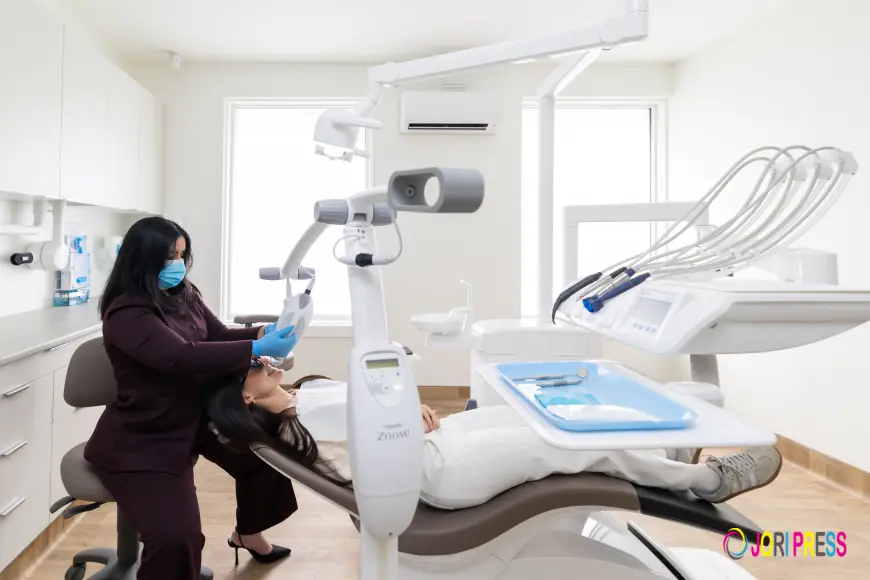
Putting off dental care because of fear is more common than many people admit. A bad past experience, a strong gag reflex or the thought of a long appointment can keep someone away for years, and problems tend to grow in the meantime. Sleep dentistry is one option a dentist may discuss, but it carries its own risks and is not suitable for everyone. This article sets out the questions worth asking before sedation is considered, so the conversation with a dentist is informed and unhurried.
What Does "Sleep Dentistry" Actually Mean?
"Sleep dentistry" is a general term, not a precise clinical one. It may refer to light sedation, where a person stays awake but relaxed, or to general anaesthesia, where the person is fully asleep and the anaesthetic is given by a suitably qualified provider in an appropriate setting.
Because these options differ in depth, risk and setting, the first question is always which type is being proposed. A sleep dentist in Brighton VIC or general dentist can explain what is involved, what a particular clinic offers and whether another approach may suit better.
Question 1: Is Sedation Necessary for Me?
Sedation is not the first answer to every concern. Many people manage well with a calm approach, clear explanations, regular breaks and a gradual plan. Local anaesthetic alone is enough for many procedures.
It may be discussed where there is significant dental anxiety, a strong gag reflex, difficulty staying still, several procedures that could be combined, or particular medical or physical needs. A general dentist in Brighton VIC can talk through these reasons and the alternatives.
A Practical Example
Consider a corporate employee who has avoided the dentist for years and now has several teeth needing attention. At a consultation, the dentist listens to their concerns and reviews their dental and medical history. Options are explained, including a gentle approach with breaks, light sedation or a referral for general anaesthesia. The patient takes time to decide, with no obligation to proceed.
Question 2: What Type of Sedation Is Being Suggested?
Ask the dentist to explain exactly what is proposed, using plain language. Useful points to clarify include:
- Whether you would be awake, drowsy or fully asleep
- Who gives the sedation or anaesthetic, and what their qualifications are
- Where the treatment would take place
- Whether you are likely to remember the appointment, as this varies
- How you will be monitored during treatment
Question 3: Is It Suitable for Me?
Sedation and anaesthesia carry risks, and some people may not be suitable for certain types. A dentist will generally want to review:
- Medical history, including heart, breathing or sleep conditions
- Allergies and past reactions to anaesthesia
- Current medications, including blood thinners and supplements
- Age and general health
- The length and complexity of the treatment needed
A GP may sometimes be involved, and a dentist in Brighton VIC may suggest a different approach or referral if sedation is not advisable.
Question 4: What Are the Risks and Benefits?
Every option involves a balance. Benefits may include greater comfort and the ability to complete more treatment in fewer visits. Risks depend on the type used and the individual, and they are explained before treatment. It is reasonable to ask what could go wrong, how it would be managed and what the alternatives are.
Question 5: What Preparation and Recovery Are Involved?
- Sedation involves preparation and aftercare that differ from standard visits. Ask about:
- Fasting: instructions are usually given before sedation or general anaesthesia
- Medications: which to take or avoid on the day
- Transport: having a responsible adult take you home and stay with you
- Recovery time: how long you will be monitored before leaving
- The following day: restrictions on driving, alcohol, work and important decisions
- Warning signs: what to watch for and who to call afterwards
Always follow the written instructions you receive, as they depend on your own treatment.
Question 6: What Will It Cost?
Fees may include the dental treatment plus separate charges for the sedation or anaesthetic and any facility. Ask for a written plan that sets out each stage and fee, and check what private health cover may contribute.
Also read this : Sleep Dentistry: A Gentler Path to Dental Care for Anxious Patients
What Does the Process Usually Involve?
While every plan is individualised, a general journey may include:
- Consultation: discussing concerns, history and goals
- Assessment: examining teeth and gums and reviewing medical history
- Planning: outlining treatment, the type of sedation, stages and fees
- Preparation: written instructions and arrangements for the day
- Treatment: carried out with appropriate monitoring by trained staff
- Recovery and follow-up: time to recover, aftercare instructions and a review
Considerations for Different Patients
Families and children. Sedation for children is assessed carefully and depends on age, health and treatment. Parents should discuss all options and alternatives.
Older adults. Medical conditions and regular medications can affect suitability, so a full medical history is important.
Students, visitors and tourists. Ask early about costs and timing, so recovery fits around study or travel.
People with dental anxiety. Raising anxiety at the first visit lets the team talk through ways to support comfort, with or without sedation.
Frequently Asked Questions
Is sleep dentistry the same as general anaesthesia?
Not always. The term can cover light sedation through to general anaesthesia, so it is worth asking which is proposed.
Is sedation safe?
All sedation and anaesthesia carry some risk, which is why assessment, monitoring and trained providers matter. Risks and benefits are discussed beforehand.
Will I be fully asleep?
This depends on the type used. A dentist can explain what to expect.
Do I need someone to take me home?
Generally yes, for sedation or general anaesthesia. The clinic will explain the requirements.
Can I avoid sedation altogether?
Often, yes. Many people manage with a supportive approach and local anaesthetic, and a dentist can discuss this.
Also read this : General Dentistry Brighton VIC for Teeth Grinding and Worn Teeth
Taking the Next Step
Fear of the dentist is common, and a conversation is a low-pressure way to find out what options exist. Bringing these questions along can help you feel more in control of the decision.
Those who would like to discuss sleep dentistry in Brighton VIC can contact Jolique to ask what is offered and how to arrange a consultation. For general check-ups and ongoing care, a general dentist in Brighton VIC can review oral health and talk through ways to make visits more comfortable.
A dental clinic in Brighton VIC is a practical place to start, and anyone looking for a dentist in Brighton VIC or a dentist near me can arrange a time that suits their schedule.
You can enquire about a dental assessment at Jolique Dental Clinic in Brighton VIC to discuss your concerns and available options.
Contact Jolique Dental
Email: info@jolique.com.au Phone: (03) 9647 2650
For more information visit : jolique.com.au/sleep-dentistry
What's Your Reaction?
 Like
0
 Dislike
0
 Love
0
 Funny
0
 Angry
0
 Sad
0
 Wow
0