












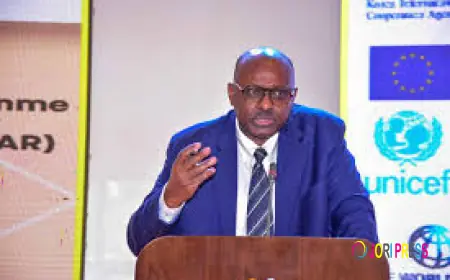




























Uganda Marks 60 Years of Architectural History with Calls to Rewrite Regulatory Law


KAMPALA — The Uganda Society of Architects (USA), in partnership with the Architects Registration Board (ARB), hosted a historic joint symposium on October 2, 2026, at the Kabira Country Club to o commemorate 60 years of organized architectural practice in the country.
The high-profile event, which coincided with the 30th anniversary of the ARB and celebrations for World Architecture Day, brought together hundreds of industry professionals, regulators, and government officials to reflect on the evolution of Uganda’s built environment and plot a course for its future.
Addressing a Severe Professional Shortage:
Serving as the Guest of Honor, the Deputy Speaker of the Parliament of Uganda, Hon. Thomas Tayebwa, commended the architectural fraternity for shaping the country’s landscape but challenged them to address systemic industry gaps.
A central point of discussion at the symposium was the severe shortage of qualified professionals in the country. Industry data highlighted during the sessions revealed that Uganda has only roughly 285 registered architects catering to a rapidly booming population of over 50 million people. Experts warned that this deficit leaves a massive gap that is frequently exploited by unqualified builders, leading to structural failures and unplanned urban sprawl.
Pushing for New Architecture Laws:
To combat these challenges, both the USA and the ARB used the platform to champion a decisive move to rewrite and update the 30-year-old architecture law governing the profession.
Leaders from both bodies emphasized that the current legal framework—established three decades ago—is heavily outdated and ill-equipped to handle modern construction dynamics, digital design technologies, and strict safety enforcement. The proposed legislative overhauls aim to streamline registration, stiffen penalties for illegal practices, and better protect the public.
Hon. Tayebwa pledged the legislature’s support in fast-tracking the updated laws, urging architects to remain unified and proactive in presenting comprehensive bills to Parliament to ensure Uganda’s construction industry aligns with international standards.
Verna Mbabazi, Member of the Architects Registration Board (ARB), says the proposed reform is intended to bring the law into line with a profession that has changed substantially since the legislation was enacted in 1996.
“The law is certainly due for amendment,” Mbabazi said. “Practice has changed considerably since the law was enacted about 30 years ago. There are emerging challenges that the Board needs to be empowered to address.”
The reform process, she said, has already passed through a regulatory impact assessment, one of the important stages in developing new or amended legislation.
“We have recently gone through one of the key stages, the regulatory impact assessment,” Mbabazi said. “We are hopeful that this process, together with the other stages that will follow, will enable us to amend the Architects Registration Act and make it more relevant to current realities.”
At the heart of the proposed amendment is a question that increasingly extends beyond who may call themselves an architect; who should be regulated in shaping Uganda’s built environment?
The existing Architects Registration Act, Cap. 297, principally establishes the Architects Registration Board and provides for the registration and regulation of architects. The law was designed around a professional landscape in which the architect occupied a more clearly defined role.
“Currently, the law is focused on regulating architecture but registers only architects,” Mbabazi said. “Yet there are many other players within the architecture profession and the wider built-environment ecosystem.”
She listed architectural assistants, interior designers, landscape architects and environmental designers among the professions increasingly involved in designing, shaping, managing and influencing the spaces in which Ugandans live and work.
“What we are hoping for is legislation that is more inclusive of the wider architecture profession rather than being limited to one part of it, registered architects,” she said.
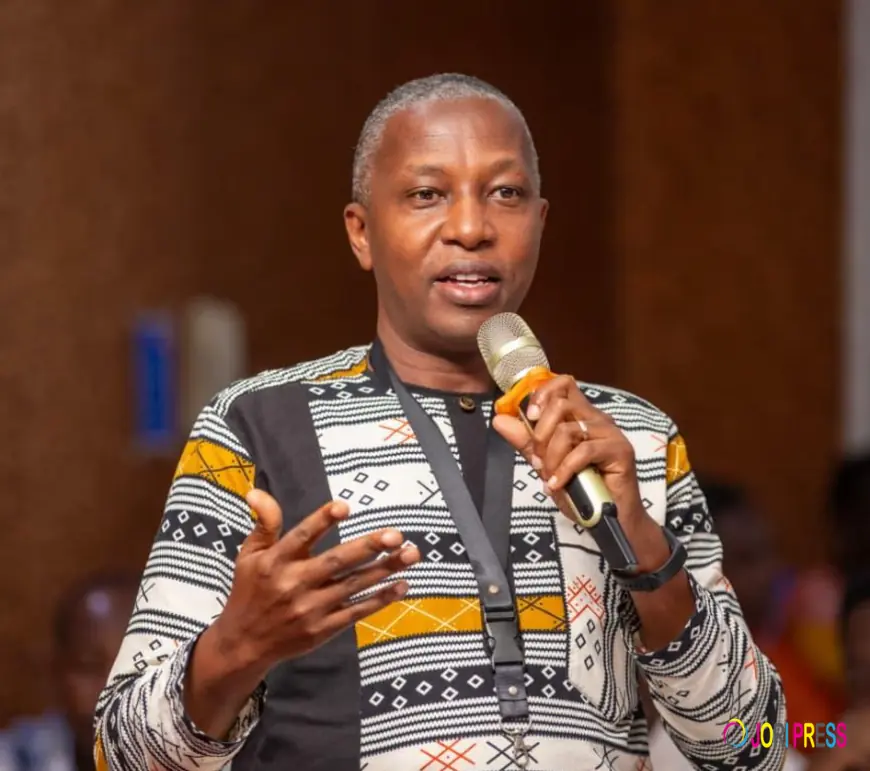
Uganda Society of Architects President Kenneth Amunsimiire noted that the proposed amendment comes at a time when the country’s cities are expanding, construction is becoming more technically sophisticated and the boundaries between architecture, environmental design, landscape planning, engineering, technology and urban development are becoming increasingly interconnected.
“A building is no longer simply a set of drawings prepared by an architect and handed to a contractor,” he said in an interview with Parliament Watch on Wednesday.
According to Amunsimiire, contemporary projects can involve architects, engineers, quantity surveyors, interior designers, landscape professionals, environmental specialists, planners, project managers, technology providers and other consultants.
Yet the legal architecture regulating these relationships has not necessarily evolved at the same pace. “The architecture profession has changed,” she said in effect. “There are many other players within the architecture profession and the wider built-environment ecosystem.”
The proposed reform would have to determine not only which professionals fall within the regulatory framework, but also what standards, qualifications, responsibilities, disciplinary mechanisms and professional boundaries should apply to them.

The current law places responsibility for the professional practice of architecture in the hands of registered architects, while the Architects Registration Board maintains the professional register and oversees compliance.
The ARB's 2025 register lists 411 registered architects, of whom 285 were practising architects. The Board has warned developers and the public that the design, preparation of building plans and supervision of construction works for buildings in Uganda should be undertaken by registered architects holding valid practising certificates.
Uganda has roughly one practising architect for every 175,000 people, a professional-capacity gap that becomes more consequential as urbanisation, construction and infrastructure development accelerate.
Amunsimiire observes that Uganda’s proposed reform also comes as architecture becomes increasingly regional. The East African Community has eight Partner States; Burundi, the democratic Republic of Congo, Kenya, Rwanda, Somalia, South Sudan, Tanzania and Uganda, with a combined population exceeding 330 million and more than 30 per cent of the population living in urban areas.
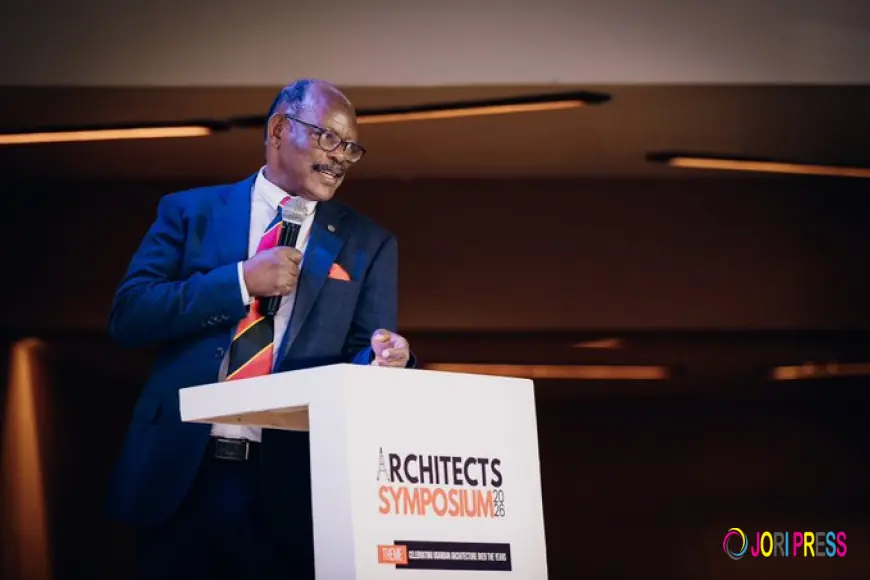
Former Society boss VC MUK Nawangwa Barnabas
What's Your Reaction?
 Like
0
Like
0
 Dislike
0
Dislike
0
 Love
0
Love
0
 Funny
0
Funny
0
 Angry
0
Angry
0
 Sad
0
Sad
0
 Wow
0
Wow
0