










































Tooth-Colored Fillings vs Silver Fillings: Which Is Better?
Tooth-colored fillings vs silver fillings: compare appearance, strength, cost, lifespan, and safety to decide which filling is better for your teeth today.
If your dentist has found a cavity, you will probably hear a familiar question: “Would you like a tooth-colored filling or a silver one?” Both materials have been used successfully for many years, but they are not identical. They differ in appearance, strength, cost, how much of your tooth is removed, and how long they tend to last.
This guide explains the differences between tooth-colored fillings vs silver fillings, covers the pros and cons of each, addresses common safety questions, and helps you decide which one fits your situation. It also answers a question many adults eventually ask: should you replace old silver fillings?
What Are Dental Fillings and Why Do You Need Them?
A filling restores a tooth that has been damaged by decay, a small crack, or wear. The dentist removes the damaged or decayed part of the tooth, cleans the area, and fills the space with a durable material. This seals the tooth, restores its shape, and helps prevent bacteria from causing further damage.
What Happens If a Cavity Is Left Untreated?
Cavities rarely get better on their own. Left alone, decay can spread deeper into the tooth, causing pain, infection, and sometimes the need for a root canal or extraction. Treating a cavity early with a simple filling is usually easier, less costly, and more comfortable than dealing with advanced damage.
The Main Filling Materials
Several materials are used for fillings, including composite resin, amalgam, gold, and ceramic. The two most common choices are:
-
Composite resin (tooth-colored fillings): A mixture of plastic resin and fine glass or ceramic particles.
-
Amalgam (silver fillings): A blend of metals, including silver, tin, copper, and mercury.
What Are Tooth-Colored (Composite) Fillings?
Tooth-colored fillings are made from composite resin that can be matched to the shade of your natural teeth. The dentist applies the material in layers and hardens each layer with a special curing light. Once set, the filling is shaped and polished to blend in with the rest of the tooth.
How Composite Fillings Work
Composite resin bonds directly to the tooth surface. This bonding helps hold the filling in place and provides some added support to the remaining tooth structure.
Advantages of Tooth-Colored Fillings
-
Natural appearance: The filling blends with your tooth, making it very hard to notice.
-
Conservative: Less healthy tooth structure usually needs to be removed because the material bonds to the tooth instead of needing a mechanical lock.
-
Versatile: Composite can repair cavities and also fix small chips, worn edges, and minor cosmetic flaws.
-
No metal: Some patients prefer a metal-free option.
-
Single-visit treatment: Most composite fillings are completed in one appointment.
-
Less temperature conductivity: Resin does not transfer hot and cold as strongly as metal.
Disadvantages of Tooth-Colored Fillings
-
Higher cost: Composite generally costs more than amalgam because of the materials and the time and skill required.
-
Technique-sensitive: The area must stay dry and clean during placement, and the material is applied in layers, so the work takes longer.
-
Shorter lifespan in some cases: Composite may wear or chip sooner than amalgam, especially in large fillings on heavy chewing surfaces.
-
Can stain over time: Resin can pick up stains from coffee, tea, and tobacco.
-
Possible sensitivity: Some patients feel temporary sensitivity after placement.
What Are Silver (Amalgam) Fillings?
Silver fillings, technically called dental amalgam, have been used for well over a century. Amalgam is a mixture of metals, including mercury, that forms a strong, durable material once it hardens.
How Amalgam Fillings Work
After the decay is removed, the dentist shapes the cavity so the amalgam can lock mechanically into place. The material is packed into the space, hardens, and is then shaped to fit your bite.
Advantages of Silver Fillings
-
Strength: Amalgam holds up well under heavy chewing forces.
-
Durability: Many amalgam fillings last 10 to 15 years or longer.
-
Lower cost: Amalgam is typically less expensive than composite.
-
Forgiving to place: It tolerates moisture better during placement.
-
Proven track record: It has a long history of clinical use.
Disadvantages of Silver Fillings
-
Noticeable appearance: The dark metallic color stands out, especially on visible teeth.
-
More tooth removal: Dentists often need to remove more healthy tooth structure to create the shape needed to hold the filling.
-
Temperature sensitivity: Metal conducts hot and cold, which can cause sensitivity.
-
Expansion and contraction: Over time, amalgam can expand and contract with temperature changes, which may contribute to cracks in the tooth.
-
Dark staining: The metal can corrode and darken the surrounding tooth over the years.
-
Mercury concerns: Some patients worry about the mercury content, which is addressed below.
Tooth-Colored Fillings vs Silver Fillings: Side-by-Side Comparison
A direct comparison helps clarify the key differences.
Appearance
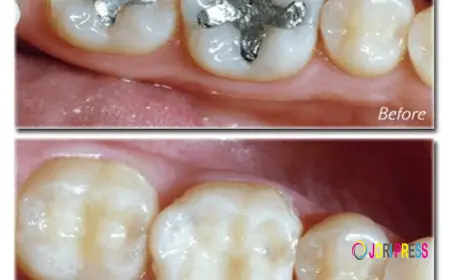
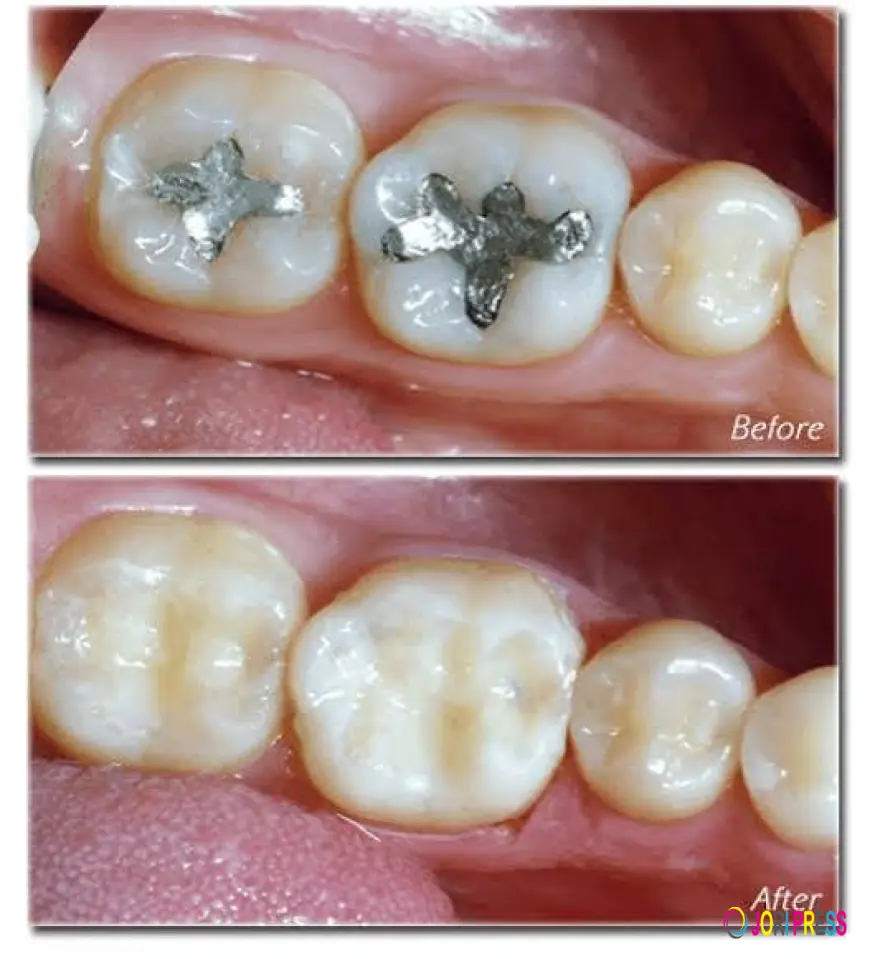
Tooth-colored fillings win clearly. They blend into your smile, which is especially important for front teeth and visible areas. Silver fillings are noticeable, particularly when you laugh or open wide.
Strength and Durability
Amalgam is very strong and is traditionally favored for large fillings on back teeth. Modern composite materials have improved significantly and perform well in many back-tooth situations, though very large restorations on heavy-bite surfaces may call for a different approach, such as an inlay, onlay, or crown.
Lifespan
As a general guide, amalgam fillings often last around 10 to 15 years or longer, while composite fillings often last around 5 to 10 years, and sometimes longer with good care. These are estimates, and results depend on the size of the filling, your bite, your habits, and your oral hygiene.
Amount of Tooth Removed
Composite bonds to the tooth, so less healthy structure usually needs to be removed. Amalgam typically needs a bit more space to stay in place, which can mean removing more of the natural tooth.
Cost
Composite generally costs more than amalgam. The price difference varies, so ask your dental office for an estimate. Insurance plans may cover amalgam and composite differently, especially on back teeth, so it is wise to check your benefits first.
Time in the Chair
Composite fillings take a little longer to place because the material is built up in layers and each layer is cured. Amalgam is usually quicker.
Sensitivity
Metal fillings can conduct heat and cold, which may cause temporary sensitivity. Composite insulates better, though it can cause some sensitivity right after placement.
Repairability
Composite is easy to repair or add to if it chips. Amalgam repairs are possible, but they are less seamless.
Are Silver Fillings Safe?
This is one of the most common questions patients ask, and it deserves a clear, balanced answer.
The Mercury Question
Amalgam contains mercury, which is bound with other metals in a stable form. Major health organizations, including the American Dental Association and the U.S. Food and Drug Administration, have reviewed the evidence and consider amalgam safe for most people. Dental amalgam releases very small amounts of mercury vapor, and the levels are generally considered low.
Who May Want to Be Cautious
The FDA has noted that certain groups may want to discuss alternatives with their dentist, including pregnant women and women planning pregnancy, nursing mothers, children, people with neurological conditions, people with impaired kidney function, and people with a known sensitivity to mercury or other components. If any of these apply to you, ask your dentist about metal-free options.
Keep Working Fillings in Place
If your existing silver fillings are intact and your teeth are healthy, removing them is usually not necessary. Drilling out a sound filling removes healthy tooth structure and briefly increases mercury vapor exposure. Most dentists recommend replacing fillings when there is a clear reason, not just because they are old.
Should You Replace Your Old Silver Fillings?
Many adults have silver fillings placed decades ago. Whether to replace them depends on their condition.
Good Reasons to Replace
-
Decay under or around the filling: New cavities can form at the edges.
-
Cracks or fractures: In the filling or the surrounding tooth.
-
Worn or leaking margins: Gaps can let bacteria seep underneath.
-
Dark staining of the tooth: The tooth may look gray from corrosion.
-
Allergy or sensitivity: Rare, but possible.
-
Cosmetic reasons: Some patients want a more natural look.
When Replacement May Not Be Needed
If the filling is sound, the tooth is healthy, and you have no symptoms, leaving it alone is often the most conservative choice. Your dentist can monitor it during regular exams and X-rays.
What Replacement Involves
The dentist removes the old filling, checks the tooth for decay, and places a new restoration. If a lot of tooth structure is missing, a stronger option such as an inlay, onlay, or crown may be recommended. You can learn more about crown options on the Essentials Dental dental crown services page.
Which Filling Is Better for You?
There is no single best answer. The right choice depends on where the cavity is, how large it is, your budget, and your priorities.
Tooth-Colored Fillings May Be Best If
-
The cavity is on a front tooth or a visible area.
-
You want the most natural appearance.
-
You prefer a metal-free option.
-
The cavity is small to moderate.
-
You want to preserve as much natural tooth as possible.
-
You are replacing a filling for cosmetic or health reasons.
Silver Fillings May Be Considered If
-
The filling is large and on a heavy-chewing back tooth.
-
Moisture control is difficult during treatment.
-
Budget is a main concern and appearance is secondary.
-
Your dentist recommends it for your specific case and you have no health concerns about mercury.
When Neither Is the Best Option
For large cavities or badly weakened teeth, a filling may not be strong enough. In these cases, an inlay, onlay, or crown may offer better protection. Your dentist will explain whether a filling will provide long-term support.
What to Expect During a Filling Appointment
Understanding the process can ease nerves, whichever material you choose.
Step 1: Numbing
The area around the tooth is numbed with local anesthetic, so you should feel pressure but not pain.
Step 2: Removing the Decay
The dentist removes the decayed or damaged part of the tooth.
Step 3: Preparing the Tooth
The space is cleaned and shaped. For composite, the surface is conditioned so the resin can bond to it.
Step 4: Placing the Filling
Composite is applied in layers and hardened with a light. Amalgam is packed into the space and shaped.
Step 5: Shaping and Bite Check
The dentist shapes the filling, polishes it, and checks your bite so everything feels comfortable.
Aftercare
Mild sensitivity to temperature or pressure can occur for a short time. Avoid chewing on hard foods until the numbness wears off, and call your dentist if pain lasts or your bite feels uneven. If a filling ever comes loose or falls out, contact your dentist promptly so the tooth does not become damaged or infected.
How to Make Fillings Last Longer
Whichever type you choose, good habits protect it.
Daily Care
-
Brush twice daily with a soft-bristled brush and fluoride toothpaste.
-
Floss daily, especially around filled teeth.
-
Rinse with water after sugary or acidic foods and drinks.
Habits to Avoid
-
Do not chew ice, hard candy, or other very hard foods.
-
Do not use your teeth to open packages.
-
Limit sugary snacks that fuel decay.
-
Avoid tobacco, which stains teeth and affects gum health.
Protective Steps
-
Ask about a night guard if you grind your teeth.
-
Keep up with regular checkups and cleanings so small problems are found early.
Routine exams and fillings are a core part of general dentistry, and regular visits are one of the best ways to protect your existing dental work.
Fillings and Your Smile
If your goal is a more natural-looking smile, tooth-colored fillings fit well with other cosmetic options. Composite resin is also used for cosmetic bonding, which can fix small chips and gaps. If you are considering whitening, remember that fillings do not lighten with whitening gel, so it is smart to whiten first and then match new fillings to the final shade. You can explore these options on the Essentials Dental cosmetic dentistry page.
Common Questions About Fillings
Do Tooth-Colored Fillings Hurt?
The procedure is done with local anesthesia, so it should be comfortable. Some temporary sensitivity afterward is common.
Can Tooth-Colored Fillings Be Used on Back Teeth?
Yes. Modern composite materials work well on many back teeth. For very large cavities, your dentist may suggest a stronger option.
How Do I Know If My Filling Needs Replacing?
Signs include pain, sensitivity, a rough or broken edge, visible gaps, dark staining, or decay seen on X-rays. Your dentist can check during routine exams.
Does Insurance Cover Composite Fillings?
Many plans cover fillings, but coverage can differ between composite and amalgam, especially on back teeth. Ask your dental office to check your benefits.
Can a Cavity Form Under a Filling?
Yes. Bacteria can enter through gaps or worn edges, which is why regular checkups matter.
Is One Material More Environmentally Friendly?
Amalgam contains mercury, and dental offices follow special handling and disposal rules for it. Composite does not contain mercury.
A Simple Decision Guide
-
Visible tooth, small to moderate cavity: Tooth-colored filling.
-
Large cavity on a back tooth: Discuss composite, amalgam, or an onlay or crown with your dentist.
-
Metal-free preference or mercury concern: Tooth-colored filling.
-
Tight budget, back tooth, no health concerns: Amalgam may be an option.
-
Old filling with no symptoms: Monitor, and replace only if there is a reason.
-
Unsure: Book an exam and ask for a clear explanation.
What's Your Reaction?
 Like
0
 Dislike
0
 Love
0
 Funny
0
 Angry
0
 Sad
0
 Wow
0