








































The Science Behind the Cannabis Plant

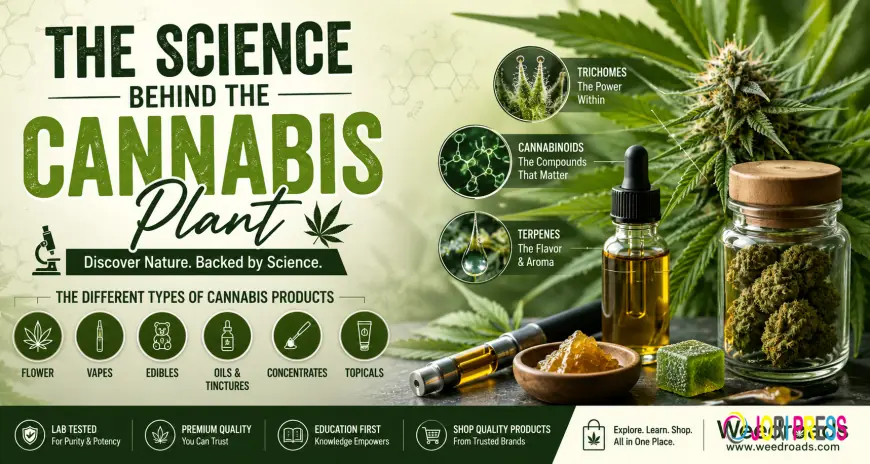
Cannabis has been used by humans for thousands of years for medicinal, industrial, and recreational purposes. As legalization expands across various regions, interest in understanding the science behind the cannabis plant continues to grow. While many people are familiar with cannabis products, fewer understand the complex biological processes that make this plant unique.
From cannabinoids and terpenes to plant genetics and cultivation methods, the science behind cannabis reveals why different products can produce different effects. Understanding these fundamentals can also help consumers make informed choices when exploring The Different Types of Cannabis Products available in today's market.
Understanding the Cannabis Plant
Cannabis is a flowering plant belonging to the Cannabaceae family. The plant contains over 100 naturally occurring compounds called cannabinoids, which interact with the human body's endocannabinoid system (ECS). The ECS helps regulate various functions such as mood, sleep, appetite, pain perception, and immune response.
The three most commonly recognized cannabis varieties include:
- Cannabis Sativa
- Cannabis Indica
- Cannabis Ruderalis
Modern cannabis products often use hybrid strains created by combining characteristics from multiple plant varieties to achieve specific effects.
What Are Cannabinoids?
Cannabinoids are the chemical compounds responsible for many of cannabis's effects. Among the most researched cannabinoids are THC and CBD.
THC (Tetrahydrocannabinol)
THC is the primary psychoactive compound found in cannabis. It binds to cannabinoid receptors in the brain and can produce feelings of euphoria, relaxation, and altered perception.
CBD (Cannabidiol)
CBD is a non-intoxicating cannabinoid that has gained popularity for its potential wellness applications. Many consumers choose CBD products because they do not produce the "high" typically associated with THC.
Scientists continue to study additional cannabinoids such as:
- CBG (Cannabigerol)
- CBN (Cannabinol)
- CBC (Cannabichromene)
Each compound may contribute unique characteristics to the overall cannabis experience.
The Role of Terpenes
Terpenes are aromatic compounds found naturally in many plants, including cannabis. They are responsible for the plant's distinctive scents and flavors.
Common cannabis terpenes include:
Myrcene
Often associated with earthy and herbal aromas.
Limonene
Known for its citrus-like scent.
Pinene
Produces fresh pine aromas and is found in many evergreen trees.
Caryophyllene
Recognized for its spicy and peppery notes.
Researchers believe terpenes may work alongside cannabinoids through what is known as the "entourage effect," potentially influencing how different cannabis products are experienced.
How Cannabis Grows
The cannabis plant follows several growth stages throughout its lifecycle.
Germination
The process begins when a seed absorbs water and starts developing roots.
Seedling Stage
Young plants develop their first leaves and establish root systems.
Vegetative Stage
The plant focuses on stem and leaf growth. Proper lighting, nutrients, and environmental conditions are critical during this phase.
Flowering Stage
This is when the plant develops buds rich in cannabinoids and terpenes. Growers carefully monitor temperature, humidity, and light cycles to maximize quality.
Advanced cultivation methods now use controlled indoor environments, hydroponic systems, and sophisticated nutrient programs to produce consistent and high-quality cannabis products.
The Science of Trichomes
One of the most fascinating aspects of cannabis science involves trichomes.
Trichomes are tiny crystal-like structures that cover cannabis flowers. These microscopic glands produce and store cannabinoids, terpenes, and other beneficial compounds.
When examining premium cannabis under magnification, trichomes often appear as sparkling crystals coating the buds. Their presence is frequently associated with potency and quality.
Growers pay close attention to trichome development when determining the optimal harvest time.
The Different Types of Cannabis Products
As cannabis science has evolved, manufacturers have developed a wide variety of products to suit different consumer preferences.
Flower
Cannabis flower remains one of the most traditional consumption methods. It contains the plant's naturally occurring cannabinoids and terpenes.
Pre-Rolls
Pre-rolled cannabis products offer convenience for consumers seeking ready-to-use options.
Edibles
Edibles include gummies, chocolates, beverages, and baked goods infused with cannabis extracts.
Oils and Tinctures
These products allow for precise dosing and can be consumed directly or mixed with food and beverages.
Concentrates
Concentrates contain higher cannabinoid levels and may include products such as wax, shatter, live resin, and rosin.
Vape Products
Vape cartridges and disposable devices have become increasingly popular due to their convenience and portability.
Topicals
Cannabis-infused creams, lotions, and balms are designed for external application.
Understanding The Different Types of Cannabis Products helps consumers select options that align with their preferences, experience levels, and desired effects.
Quality Testing and Laboratory Analysis
Modern cannabis science places significant emphasis on product testing and safety.
Licensed laboratories commonly test cannabis products for:
- Cannabinoid content
- Terpene profiles
- Pesticides
- Heavy metals
- Residual solvents
- Microbial contamination
Lab reports help ensure consumers receive accurate information about product quality and potency.
As the cannabis industry matures, transparency and third-party testing have become important indicators of reputable brands and retailers.
Genetics and Cannabis Breeding
Cannabis genetics play a major role in determining a plant's characteristics.
Breeders carefully select parent plants to create strains with specific attributes such as:
- Higher cannabinoid concentrations
- Unique terpene profiles
- Improved yields
- Enhanced disease resistance
This scientific approach has contributed to the vast diversity of cannabis strains available today.
Where Consumers Can Find Quality Cannabis Products
As the market continues to expand, many consumers look for reliable sources of premium cannabis products. Well-known companies in the industry often focus on quality control, laboratory testing, and customer education.
Brands and retailers such as Curaleaf, Trulieve, Green Thumb Industries, and Cresco Labs have established strong reputations within legal cannabis markets.
Additionally, consumers exploring cannabis options may come across platforms like Weedroads, which can help individuals discover products, learn about cannabis categories, and navigate available options more effectively. When choosing any cannabis retailer or brand, it is always wise to review testing standards, product transparency, and customer feedback.
The Future of Cannabis Science
Cannabis research is advancing rapidly. Scientists continue exploring the potential applications of cannabinoids, terpenes, and the endocannabinoid system. New discoveries may lead to improved cultivation methods, innovative product development, and a deeper understanding of how cannabis interacts with the human body.
As regulations evolve and research expands, consumers will likely gain access to even more sophisticated cannabis products designed for specific needs and preferences.
Conclusion
The cannabis plant is far more complex than many people realize. Its unique combination of cannabinoids, terpenes, genetics, and biological processes makes it one of the most fascinating plants studied today. Understanding the science behind cannabis can help consumers make educated decisions when exploring The Different Types of Cannabis Products available in the modern marketplace.
Whether choosing flower, edibles, concentrates, or wellness-focused formulations, knowledge of cannabis science empowers consumers to better understand what they are purchasing and how different products may fit their individual preferences.
What's Your Reaction?
 Like
0
Like
0
 Dislike
0
Dislike
0
 Love
0
Love
0
 Funny
0
Funny
0
 Angry
0
Angry
0
 Sad
0
Sad
0
 Wow
0
Wow
0