








































The Insider’s Guide to Buying the Best Tea Powder in Kerala
Find the best tea powder in Kerala with our complete buyer’s guide. Learn how to spot pure quality, choose your ideal flavor, and brew like a pro.
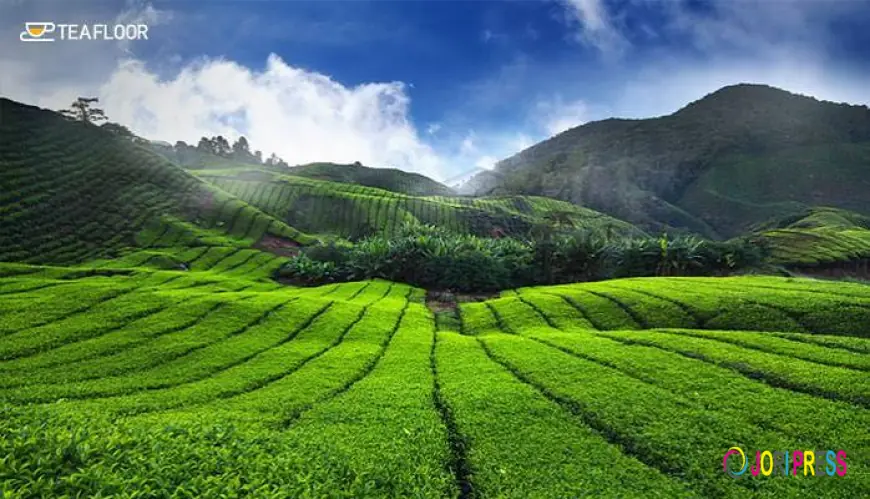
Kerala, fondly celebrated as "God's Own Country," is world-renowned not only for its tranquil backwaters and lush spice plantations but also for its majestic, mist-shrouded tea estates in the Western Ghats. From the high-altitude slopes of Munnar to the pristine hills of Wayanad, Kerala produces some of the most vibrant, aromatic, and flavor-rich tea leaves in the world. However, navigating the vast array of grades, processing styles, and estate origins to find the ideal
The Geography and Terroir of Kerala Tea
To appreciate the quality of Kerala tea, one must first understand the unique environmental factors—collectively known as terroir—that shape its characteristics.
+--------------------------------------------------------------------------+
|                    Key Terroir Factors of Kerala Tea                     |
+--------------------------------------------------------------------------+
|  High Altitudes (4,500 - 7,200 ft)  -->  Slow leaf growth, concentrated oils |
|  Dual Monsoon Seasons               -->  Deep soil hydration, mineral richness|
|  Cool Mountain Mist                 -->  Softened sunlight, delicate aromas  |
|  Organic Forest Soil                -->  Rich earthiness and bright liquor   |
+--------------------------------------------------------------------------+
High-Altitude Plantation Advantages
The finest tea plantations in Kerala are situated in regions like Munnar, operating between 4,500 and 7,200 feet above sea level. The cool mountain air slows down the growth rate of the Camellia sinensis plant, allowing the leaves to accumulate higher concentrations of essential oils, natural sugars, and antioxidants. This slow maturation translates into a tea that is naturally sweet, floral, and deeply aromatic.
Monsoon and Soil Dynamics
Fed by both the Southwest and Northeast monsoons, the rich forest soil of the Western Ghats yields nutrient-dense tea leaves. The combination of well-drained sloping land, abundant rainfall, and cool temperatures produces tea with a bright golden-red liquor, a clean briskness, and a satisfying finish that stands out when compared to low-grown teas.
Understanding the Primary Types of Tea Powder in Kerala
When shopping for high-quality tea powder in kerala, you will encounter different processing styles and leaf grades. Choosing the right type depends on how you prepare your tea and your personal flavor preferences.
1. CTC (Crush, Tear, Curl) Tea Powder
CTC is the most common processing method used for everyday milk teas in India. Leaves are passed through heavy rollers that crush, tear, and curl them into small, dense granules.
-
Appearance: Dark, uniform granules ranging from fine dust to medium-sized pekoe.
-
Flavor Profile: Bold, robust, malty, and astringent with a quick extraction time.
-
Best For: South Indian Nadan Chai, Masala Chai, Karak Tea, and any preparation using milk and sugar.
2. Orthodox Tea Powder
Orthodox processing preserves the physical integrity of the tea leaf. Leaves are gently rolled and oxidized to maintain delicate flavor nuances without crushing the leaf structures.
-
Appearance: Whole, broken, or twisted dark brown leaves.
-
Flavor Profile: Crisp, floral, bright, and nuanced with subtle fruity or sweet undertones.
-
Best For: Black tea enjoyed plain, iced tea, or brewed with a squeeze of fresh lemon and honey.
3. Green Tea Powder
Minimally oxidized during processing, green tea retains high concentrations of chlorophyll, active catechins, and natural vitamins.
-
Appearance: Soft olive-green granules or cut leaves.
-
Flavor Profile: Vegetal, slightly grassy, fresh, and clean.
-
Best For: Daily wellness routines, detox drinks, and light mid-day refreshment.
4. White Tea and Specialty Blends
Crafted from the youngest, unopened buds of the tea bush, white tea is the least processed variety available.
-
Appearance: Silvery-white, downy buds and delicate leaf tips.
-
Flavor Profile: Subtle, naturally sweet, velvety, and soothing.
-
Best For: Evening sipping, mindful tea rituals, and tea drinkers seeking minimal caffeine.
Key Comparison Table: Kerala Tea Variants
| Tea Variety | Processing Method | Flavor Profile | Best Preparation Method | Ideal Time of Day |
| CTC Black Tea | Rollers crush & curl leaves | Strong, malty, rich liquor | Boiled with milk, water, & spices | Morning kick-start |
| Orthodox Black Tea | Gentle rolling & oxidation | Floral, crisp, light sweetness | Steeped in hot water plain/lemon | Mid-morning / Afternoon |
| Green Tea | Steamed/pan-fired, unoxidized | Earthy, vegetal, clean | Steeped in 80°C water plain | Post-meal / Wellness |
| White Tea | Sun-dried, unoxidized buds | Light, floral, sweet notes | Steeped in 75°C water plain | Evening relaxation |
Essential Buyer’s Criteria: How to Choose Premium Tea
Not all teas on the market offer the same standard of freshness, purity, or flavor. When evaluating options, keep these key purchasing factors in mind:
                  +-----------------------------------+
                  |   How to Evaluate Tea Quality     |
                  +-----------------------------------+
                                    |
        +---------------------------+---------------------------+
        |                           |                           |
  Visual Inspection            Aroma Test                  Source Integrity
  (Uniform color/size,       (Fresh, floral, sweet;       (Single-origin estate,
   no excessive dust)         no stale/musty notes)        small-batch processing)
1. Single-Origin Sourcing vs. Mass Blends
Mass-market commercial brands often mix low-grade leaves from multiple regions and low-altitude farms to cut costs. Single-origin teas sourced directly from high-altitude estates in Kerala preserve the authentic character, aroma, and purity of the region's climate.
2. Particle Size and Grading
-
Whole Leaf / Orthodox: Offers complex flavors and slow extraction; ideal for steeping plain.
-
Pekoe & Fannings: Medium CTC particles that balance strong color extraction with good flavor clarity.
-
Dust Grade: Very fine granules that yield an intense, dark liquor almost instantly; best for heavy milk-based chai.
3. Small-Batch Processing and Packaging
Freshness is critical for retaining natural essential oils. Look for teas processed in small batches and packaged immediately in airtight, light-proof foil pouches. Avoid tea stored in transparent or loose containers exposed to air and direct light, as oxygen rapidly degrades flavor compounds.
4. Purity and Absence of Artificial Colorants
Low-quality commercial tea powders are sometimes artificially colored or flavored to mimic high-grade liquor. Genuine, high-altitude tea should release its color gradually in hot water, producing a natural golden-red or amber hue rather than an immediate dark stain.
Health Benefits of Drinking High-Altitude Kerala Tea
Incorporating authentic, unadulterated tea into your daily routine offers extensive health and wellness advantages backed by nutritional science.
-
Rich in Antioxidants: Kerala teas are packed with polyphenols, including epigallocatechin gallate (EGCG), theaflavins, and catechins, which neutralize free radicals and reduce oxidative stress in cells.
-
Supports Heart Health: Regular consumption of quality black and green tea supports healthy blood vessel function, helps regulate blood pressure, and contributes to balanced lipid profiles.
-
Promotes Calm Focus: High-altitude tea leaves contain L-theanine, an amino acid that works alongside natural caffeine to enhance cognitive focus and mental clarity without causing jitters or energy crashes.
-
Aids Digestion: Natural tannins present in orthodox and CTC black teas possess mild antimicrobial properties, supporting gut health and soothing the digestive tract after heavy meals.
-
Boosts Metabolism: Green tea compounds help stimulate metabolic rate and thermogenesis, making it an excellent companion for weight management and active lifestyles.
How to Brew Kerala Tea for Maximum Flavor
Even the finest leaves can taste flat or bitter if prepared incorrectly. Follow these step-by-step brewing methods to extract the best flavor from your tea.
Method 1: Traditional Kerala Nadan Milk Tea (Chai)
-
Combine Liquids: In a saucepan, mix 1 cup of filtered water and 1/2 cup of fresh milk. Bring to a rolling boil.
-
Add Tea Powder: Add 1.5 to 2 teaspoons of high-grade CTC tea powder. Optionally add a crushed cardamom pod or a slice of fresh ginger.
-
Simmer and Decoct: Reduce heat and allow the mixture to simmer gently for 3 to 5 minutes until it turns a deep caramel-brown color.
-
Sweeten and Strain: Add jaggery or raw sugar to taste, strain into a warm cup, and pour back and forth between two vessels to create a silky frothy head.
Method 2: Crisp Orthodox or Green Tea Brew
-
Heat Water: Bring fresh filtered water to 90°C for orthodox black tea, or 80°C for green tea (never pour boiling water directly over delicate green tea leaves, as it turns them bitter).
-
Steep: Place 1 teaspoon of tea leaves into a teapot or infuser. Pour hot water over the leaves.
-
Time Precisely: Steep orthodox black tea for 3 minutes; steep green tea for 2 minutes.
-
Serve Clean: Strain into a glass or cup. Enjoy plain, or add a slice of fresh lemon or a spoon of raw honey.
Quick Testing Guide: Spotting Pure vs. Adulterated Tea
To ensure your premium tea powder in kerala is completely pure and free from synthetic dyes:
-
The Cold Water Test: Drop a teaspoon of tea powder into a glass of cold water. Pure tea will slowly float and lightly tint the water over 10–15 minutes. Adulterated tea with added colorants will instantly streak the cold water with dark red or brown trails.
-
The Friction Test: Rub a small amount of tea powder between two white sheets of paper. If brown streaks appear easily without water, artificial colors may have been added.
-
Aroma Inspection: Authentic mountain-grown tea releases a pleasant, leafy, floral aroma even before hot water is added. Stale or artificial tea often smells musty, dusty, or overly chemical.
Finding Authentic Kerala Tea
Selecting the right tea comes down to knowing its origin, understanding how processing impacts flavor, and choosing single-source quality over mass production. High-altitude mountain plantations in the Western Ghats continue to set the benchmark for aroma, purity, and wellness benefits. For discerning tea lovers seeking genuine estate-grown quality, brands like
What's Your Reaction?
 Like
0
Like
0
 Dislike
0
Dislike
0
 Love
0
Love
0
 Funny
0
Funny
0
 Angry
0
Angry
0
 Sad
0
Sad
0
 Wow
0
Wow
0