






































The ABCDE rule: how to spot a suspicious mole before your skin checks
Know the ABCDE signs of suspicious moles and when to arrange a professional skin check for changes in your skin.
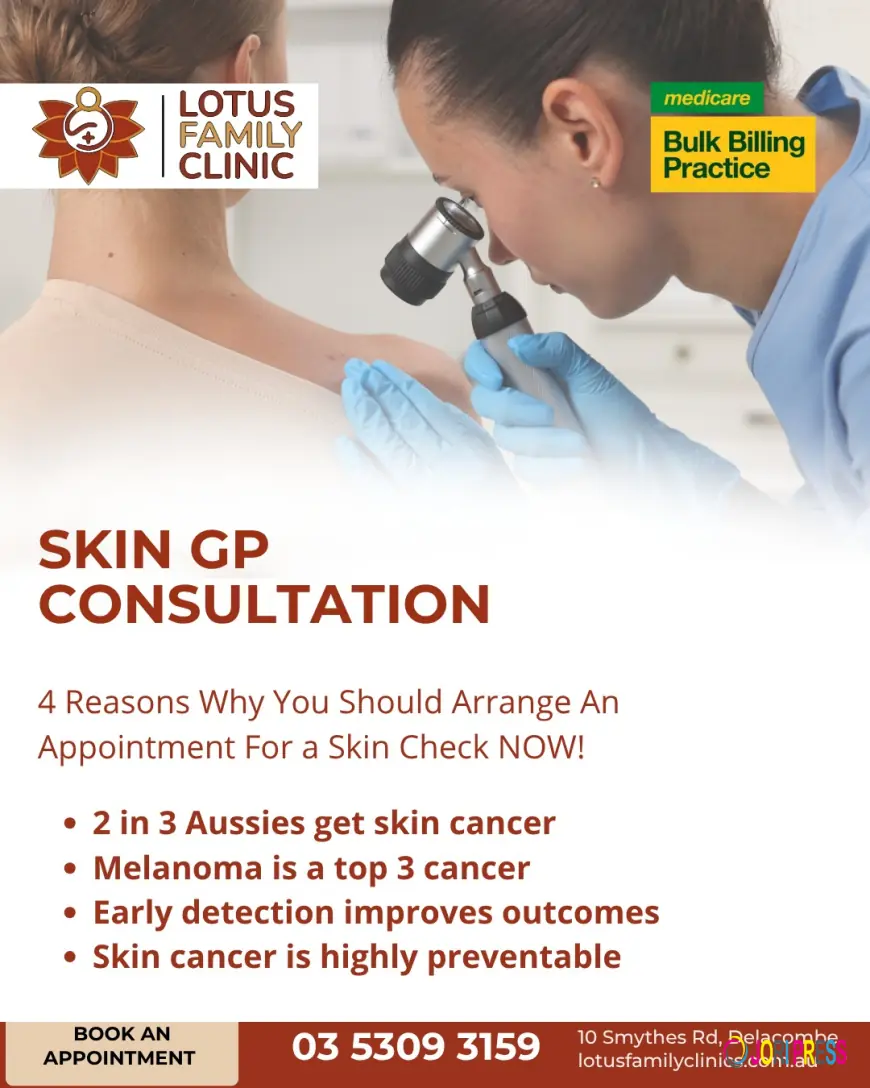
A new or changing mole can be easy to overlook, especially when you have multiple freckles, spend a lot of time outdoors or have noticed signs of sun damage. Knowing what to look for can help you decide when to arrange skin checks with a GP. The ABCDE rule provides a simple way to observe changes in a mole, while a professional assessment can determine whether further examination is appropriate.
What is the ABCDE rule for skin checks?
The ABCDE rule is a useful observation guide for identifying changes that may warrant medical assessment. It focuses on five features:
-
A – Asymmetry: One half of the mole looks different from the other half.
-
B – Border: The edges appear irregular, uneven, blurred or poorly defined.
-
C – Colour: The mole contains different colours or develops a noticeable change in colour.
-
D – Diameter: A mole becomes larger or noticeably changes in size.
-
E – Evolving: The mole changes over time in appearance, size, colour or shape, or develops symptoms such as bleeding or persistent irritation.
The ABCDE rule is not a diagnostic test. Some harmless moles can have unusual features, while skin cancers can sometimes present differently. If you notice a changing mole, a new spot or another persistent skin change, a GP skin check can help assess what is happening.
When should you consider a mole check?
A mole check may be appropriate if you have noticed a spot that looks different from your other moles or has changed over time. It can also be useful for people with multiple moles or freckles, a history of significant sun exposure, or visible sun damaged skin.
For example, an outdoor worker may notice a dark spot developing on an area of skin that receives regular sunlight. Rather than relying only on photographs or self-checking, they can arrange a GP skin check so the area can be examined clinically.
You should also pay attention to skin changes that do not fit neatly into the ABCDE pattern. A persistent sore, unusual growth, crusting area or lesion that changes should be discussed with a healthcare professional.
What happens during skin cancer checks?
During Skin Cancer Checks, a GP may ask about the skin change, how long it has been present and whether it has changed. The affected area can then be examined as part of the clinical assessment.
Depending on the findings, the GP may recommend monitoring the area, arranging further investigation or considering treatment. A skin biopsy may be recommended when tissue needs to be examined to help establish a diagnosis. Where clinically appropriate, lesion removal may also be considered.
The right approach depends on the individual lesion and clinical assessment. A biopsy or skin lesion removal is not automatically required for every mole or skin spot.
Skin clinic care beyond mole checks
A Skin Clinic can address a range of common skin concerns in addition to assessing suspicious spots. Depending on the clinical circumstances, services may include Cryotherapy, Acne Treatment and Eczema Management.
For people concerned about sun damage, a consultation can also provide an opportunity to discuss practical skin cancer prevention, including sensible sun protection and monitoring changes in the skin.
If you are unsure whether a particular spot needs attention, a GP can assess it rather than relying solely on online images or self-diagnosis.
Where to arrange skin checks in Ballarat and Delacombe
Adults in Ballarat and Delacombe who notice a new or changing mole, suspicious skin spot or other persistent skin change can consider arranging an assessment with a local GP clinic. A family clinic, medical centre or other Primary Care setting may provide an appropriate starting point for assessment and referral when required.
Lotus Family Clinic provides general practice and skin-related medical services for patients in the local community. Information about the clinic's skin services is available on its skin clinic page.
When arranging an appointment, patients can also ask about consultation fees, bulk billing, Medicare eligibility and available appointment options. Depending on the clinic's arrangements, medical clinics, a medical centre or General Practice service may offer different consultation and billing options.
A practical approach to your next skin check
The ABCDE rule can help you notice changes, but it should not be used to diagnose a mole yourself. Check your skin regularly, take note of anything new or changing, and arrange a professional assessment when a spot concerns you.
For a new or changing mole in Ballarat or Delacombe, a GP skin assessment can provide a clinically appropriate next step and help determine whether monitoring, further investigation or treatment is needed.
? Lotus Family Clinic
10 Smythes Road, Delacombe VIC 3356
? 03 5309 3159
? Clinic Hours
Monday–Friday: 8:00 AM–10:00 PM
Saturday: 8:00 AM–6:00 PM
Sunday: 9:00 AM–3:00 PM
Visit here:- lotusfamilyclinics.com.au
What's Your Reaction?
 Like
0
Like
0
 Dislike
0
Dislike
0
 Love
0
Love
0
 Funny
0
Funny
0
 Angry
0
Angry
0
 Sad
0
Sad
0
 Wow
0
Wow
0