








































Which treatment is best for spine problems?
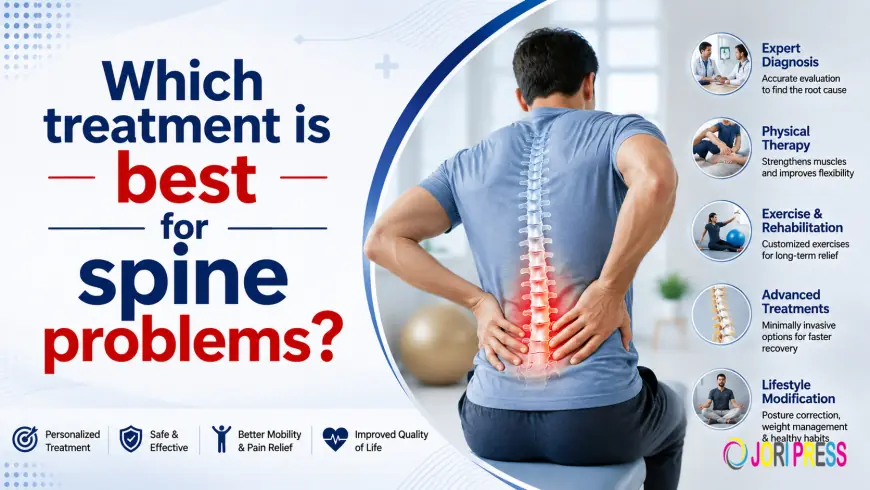
Which Treatment Is Best for Spine Problems?
Spine problems can show up in many forms — a nagging lower back ache, sharp pain shooting down the leg, stiffness in the neck, or numbness in the arms. With so many possible causes, it's no surprise that patients often ask: "What's the best spine problem treatment for my situation?" The honest answer is that there isn't a single universal treatment — the right treatment for spine problems depends entirely on the diagnosis, the severity, and how the condition is affecting daily life.
In this blog, we'll walk through the range of available spine treatments, from conservative care to surgical options, so you have a clearer picture of what to expect.
Understanding Spine Problems Before Choosing Treatment
Before deciding on a spine treatment, it's important to get an accurate diagnosis. Common spine conditions include:
-
Herniated or slipped discs
-
Degenerative disc disease
-
Spinal stenosis (narrowing of the spinal canal)
-
Sciatica and nerve compression
-
Spinal fractures or injuries from trauma
-
Spondylolisthesis (a vertebra slipping out of position)
Each of these conditions responds differently to treatment, which is why an evaluation — typically involving a physical exam along with imaging like an X-ray or MRI — comes before any treatment plan is decided.
Non-Surgical Spine Treatment: Usually the First Step
For the majority of spine problems, non-surgical spine treatment is the starting point, and it's often enough to bring meaningful relief. Common conservative approaches include:
-
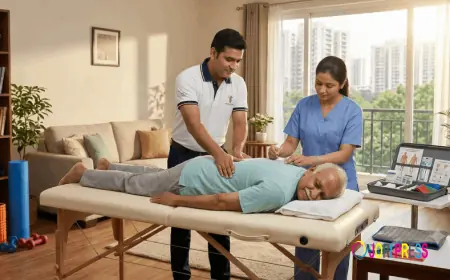
Physical Therapy: Targeted exercises to strengthen the core and back muscles, improve posture, and take pressure off affected nerves.
-
Medications: Anti-inflammatory drugs, muscle relaxants, or short-term pain management to reduce inflammation and discomfort.
-
Epidural Steroid Injections: Anti-inflammatory medication delivered directly near the affected nerve, often providing relief that lasts weeks to months.
-
Activity Modification: Adjusting posture, work ergonomics, and daily movements to reduce strain on the spine.
-
Heat, Ice, and Manual Therapy: Supporting treatments that can ease muscle tension and improve mobility.
Most patients see significant improvement with these approaches within a few weeks to a couple of months, especially when treatment is combined with consistency and proper follow-up.
Spine Pain Treatment: Matching the Approach to the Cause
Spine pain treatment isn't one-size-fits-all — a herniated disc, spinal stenosis, and a compression fracture each call for a different strategy:
-
Herniated or slipped disc: Usually starts with physical therapy and medication, escalating to injections if needed.
-
Spinal stenosis: Often managed with physical therapy and activity modification initially, with surgery considered if nerve compression symptoms progress.
-
Sciatica: Frequently improves with a combination of physical therapy, anti-inflammatory medication, and targeted stretching.
-
Spinal fractures or acute trauma: May require more immediate intervention, including bracing or, in more serious cases, surgical stabilization.
This is exactly why self-treating based on generic online advice isn't ideal — the same symptom (like back pain) can point to very different underlying issues.
When Does Surgery Become Necessary?
Surgery is typically considered only when conservative treatment hasn't provided adequate relief after a reasonable trial period, or when specific warning signs are present, such as:
-
Progressive weakness in the arms or legs
-
Loss of bladder or bowel control
-
Significant nerve compression confirmed on imaging
-
Spinal instability or fracture affecting the spine's structural integrity
When surgery is needed, modern spine surgery has evolved considerably — many procedures today are minimally invasive, involving smaller incisions, less tissue disruption, and generally faster recovery compared to traditional open surgery.
For patients dealing with a spine injury from an accident, fall, or sports-related trauma, timely and specialised spine injury treatment in Jaipur can make a significant difference in long-term recovery and function.
Best Treatment for Spine Problems: Why Personalisation Matters
There's no single "best" treatment that works for everyone — the best treatment for spine problems is the one matched precisely to your diagnosis, the severity of your condition, your lifestyle, and your overall health. Two patients with similar symptoms can end up needing very different treatment plans once imaging and a full clinical evaluation are done.
This is why consulting an experienced Neurosurgeon in Jaipur matters — a proper evaluation ensures you're not jumping straight to more invasive treatment when conservative care would work just as well, or delaying necessary treatment when your condition genuinely needs more active intervention.
Spine Problems Treatment Options: A Quick Summary
To summarise the range of spine problems treatment options available today:
-
Physical therapy and targeted exercise programs
-
Medication and anti-inflammatory management
-
Epidural steroid injections
-
Activity and ergonomic modifications
-
Minimally invasive spine procedures
-
Traditional open spine surgery, reserved for more complex or severe cases
Most patients move through this list gradually, starting with the least invasive option that's appropriate for their condition and escalating only if needed.
Conclusion
There's no single best treatment for every spine problem — the right approach depends on an accurate diagnosis, the severity of the condition, and how it's affecting daily function. Most spine issues respond well to conservative, non-surgical treatment, while a smaller number of cases genuinely require surgical intervention. The most important step is getting a proper clinical evaluation so your treatment plan is built around your specific condition, not guesswork.
(Disclaimer: This blog is for general informational purposes only and is not a substitute for professional medical advice. Please consult a qualified specialist for a diagnosis and treatment plan suited to your condition.)
What's Your Reaction?
 Like
0
Like
0
 Dislike
0
Dislike
0
 Love
0
Love
0
 Funny
0
Funny
0
 Angry
0
Angry
0
 Sad
0
Sad
0
 Wow
0
Wow
0