








































What Role Does the Refrigerant Play in a Steam Heat Pump Cycle?
Learn how refrigerants improve efficiency in steam heat pump systems and why choosing the right steam heat pump manufacturer matters.
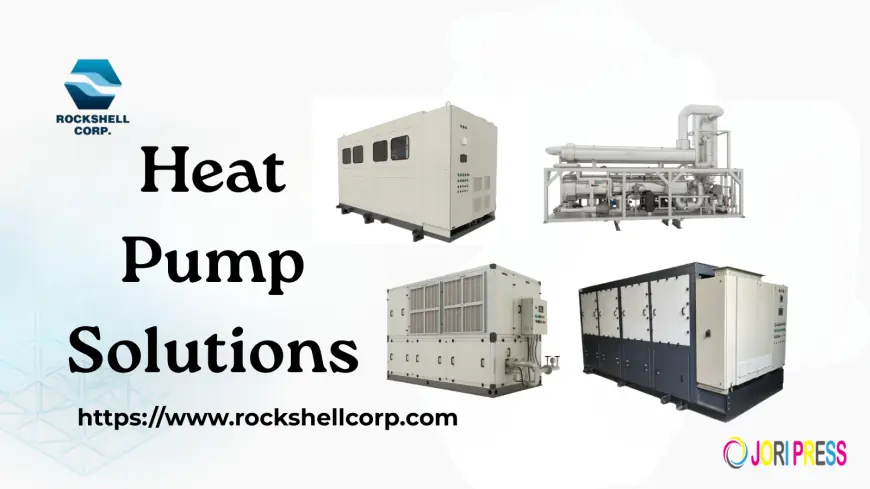
Industries today are actively looking for energy-efficient technologies that reduce operating costs and improve sustainability. This is where a steam heat pump manufacturer plays a key role by offering advanced systems that recover and reuse waste heat efficiently. At the heart of every steam heat pump system is the refrigerant a critical component that enables heat transfer and steam generation. Without the right refrigerant, the entire heat pump cycle would lose efficiency and performance.
Understanding the role of refrigerants helps industries make better decisions when selecting industrial heating solutions for manufacturing, food processing, pharmaceuticals, hospitality, and other energy-intensive sectors.
Understanding the Steam Heat Pump Cycle
A steam heat pump works by upgrading low-temperature waste heat into high-temperature steam that can be reused in industrial processes. Unlike traditional boilers that burn fuel continuously, steam heat pumps recycle existing thermal energy.
The cycle mainly includes four stages:
- Heat absorption
- Compression
- Heat release
- Expansion
The refrigerant moves through all these stages repeatedly. During the cycle, it changes between liquid and vapor states, allowing efficient heat transfer. Because of this continuous phase change, the refrigerant becomes the core working fluid of the system.
Why Refrigerant Is Important in Steam Heat Pumps
The refrigerant is responsible for carrying thermal energy from one part of the system to another. It absorbs heat from waste heat sources such as hot water, exhaust air, or process fluids. Then, after compression, it releases this heat at a higher temperature to generate steam.
A reliable steam heat pump manufacturer carefully selects refrigerants based on operating temperature, energy efficiency, and environmental impact. The right refrigerant improves:
- Heat transfer efficiency
- Steam generation capacity
- System reliability
- Energy savings
- Equipment lifespan
Additionally, refrigerants directly affect the coefficient of performance (COP) of the heat pump. A higher COP means lower electricity consumption and reduced operational expenses.
How Refrigerant Changes State During the Cycle
The refrigerant continuously changes pressure and temperature inside the heat pump cycle. This process enables efficient heat recovery.
Evaporation Stage
The refrigerant absorbs waste heat from industrial processes. At low pressure, it evaporates into vapor form even at relatively low temperatures.
Compression Stage
The compressor increases the pressure of the refrigerant vapor. As pressure rises, the refrigerant temperature also increases significantly.
Condensation Stage
The high-temperature refrigerant releases heat through the condenser. This released heat is then used to generate steam for industrial applications.
Expansion Stage
Finally, the refrigerant passes through an expansion valve where pressure drops. It cools down and returns to the evaporator to repeat the cycle.
This closed-loop process allows steam heat pumps to recover and reuse energy efficiently while reducing fuel dependency.
Choosing the Right Refrigerant for Industrial Applications
Selecting the right refrigerant is essential for system performance and sustainability. Different refrigerants have different thermodynamic properties, operating pressures, and environmental characteristics.
Modern industrial heat pump systems increasingly use refrigerants with lower Global Warming Potential (GWP). Industries are also focusing on refrigerants that comply with environmental regulations while maintaining high efficiency.
An experienced steam heat pump manufacturer evaluates several factors before choosing refrigerants, including:
- Required steam temperature
- Process heating demand
- Energy efficiency goals
- Safety standards
- Environmental compliance
For industries such as food processing, hospitality, textile manufacturing, and pharmaceuticals, proper refrigerant selection ensures stable steam generation and long-term cost savings.
Benefits of Efficient Refrigerant Performance
When refrigerants operate efficiently, steam heat pumps deliver multiple operational benefits. Businesses can significantly reduce energy consumption while maintaining process reliability.
Some major advantages include:
- Lower carbon emissions
- Reduced boiler fuel usage
- Better waste heat recovery
- Consistent steam output
- Lower maintenance costs
Moreover, steam heat pumps help industries move toward greener operations without compromising production efficiency. This makes them a preferred solution for companies aiming to improve sustainability targets.
Conclusion
The refrigerant is the driving force behind every steam heat pump cycle. It enables efficient heat absorption, compression, and steam generation while helping industries recover valuable waste heat. Choosing the right refrigerant directly impacts system efficiency, operating costs, and environmental performance.
A trusted steam heat pump manufacturer can help industries select advanced heat pump solutions designed for maximum energy savings and long-term reliability. As industries continue focusing on sustainability and energy optimization, steam heat pumps will play an even bigger role in modern industrial heating systems.
If your business is exploring energy-efficient steam generation solutions, partnering with an experienced manufacturer can help you achieve both operational and sustainability goals.
What's Your Reaction?
 Like
0
Like
0
 Dislike
0
Dislike
0
 Love
0
Love
0
 Funny
0
Funny
0
 Angry
0
Angry
0
 Sad
0
Sad
0
 Wow
0
Wow
0