


























How Detailed Can Screen Printing Designs Get?
Explore how detailed screen printing designs can get, from fine lines and small lettering to colorful graphics and intricate illustrations. Learn how artwork preparation, fabric selection, ink colors, and printing techniques affect the final results, and discover how Choice Image helps bring custom apparel designs to life.

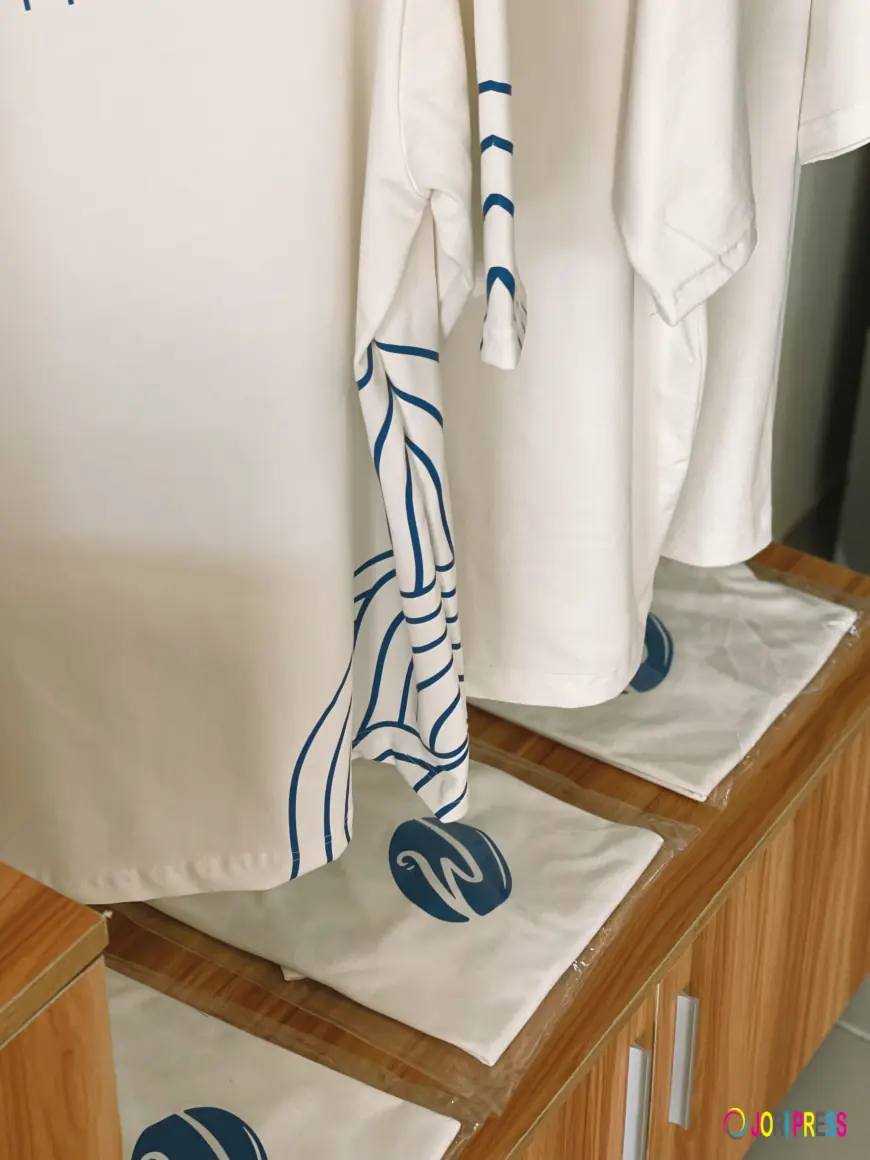
Screen printing has come a long way from simple text and basic graphics on T-shirts. Today, it can be used to create highly detailed artwork, colorful illustrations, intricate logos, and creative designs that stand out on different types of apparel. Whether you are creating custom shirts for a business, designing merchandise for an event, or making personalized clothing for a team, screen printing offers plenty of room for creativity.
One of the most common questions people have before placing an order is how much detail can actually be printed on a shirt. Can small lettering remain readable? Can a design include several colors? What about fine lines, shading, and complicated artwork?
The answer depends on the artwork, fabric, printing method, and preparation process. With the right design setup and professional printing techniques, screen printing can reproduce an impressive amount of detail while keeping the finished garment attractive and wearable.
Understanding the Level of Detail in Screen Printing
Screen printing works by pushing ink through a prepared mesh screen onto the fabric. Each screen is generally used for a specific color in the design. The ink is transferred to the garment in carefully controlled areas, allowing the printer to build an image through multiple layers.
The quality of the final result depends heavily on the artwork and how well it is prepared for printing. Simple designs with bold shapes and clear lettering are usually straightforward. However, detailed illustrations, small text, thin outlines, and complex graphics require more attention during preparation.
Professional Screen Printing Designs can include fine lines, detailed logos, decorative elements, and multiple colors. However, there are practical limits. Extremely tiny details may not reproduce clearly, especially when the artwork is placed on textured fabric or printed at a small size.
This is why reviewing artwork before production is an important part of the process.
How Small Can the Details Be?
Small details can make a design look more interesting, but they also need to be easy to reproduce. Very thin lines, tiny lettering, and closely spaced elements can become difficult to print accurately.
For example, a company logo may include a small slogan underneath its main name. If the letters are too small, they may lose their shape or become difficult to read once printed on fabric. Similarly, thin outlines can disappear if they are not thick enough for the selected mesh and ink.
A good approach is to keep important elements clear and avoid adding unnecessary details. If a design contains small text, increasing its size or choosing a simpler font can make a noticeable difference.
Experienced printers can review the artwork and suggest adjustments before production begins. This helps ensure that the finished shirt looks close to the original design.
Can Screen Printing Handle Multiple Colors?
Yes. Screen printing can produce colorful artwork using multiple ink colors. Each color is generally separated into its own printing layer, and the screens are aligned so the colors appear in the correct positions.
This makes it possible to print designs that include:
-
Business logos with multiple brand colors.
-
School and sports team graphics.
-
Event artwork with colorful illustrations.
-
Promotional shirts with detailed graphics.
-
Creative merchandise with several design elements.
However, adding more colors can increase setup time and production costs. Each additional color may require another screen, ink preparation, and careful alignment.
For this reason, it is worth considering whether every color is necessary. Sometimes, simplifying a design slightly can produce a cleaner result without changing its overall appearance.
Why Artwork Preparation Matters
A detailed design needs proper preparation before it reaches the printing press. Even a beautiful digital image may need some adjustments to work well on fabric.
For screen printing, vector artwork is often preferred because it can be resized without losing sharpness. Files created in programs such as Adobe Illustrator or CorelDRAW are commonly used for this purpose. They also make it easier to separate individual colors into printing layers.
Raster images, such as JPEG or PNG files, can also be used, but their resolution and overall quality matter. Low-resolution images may look blurry or pixelated when enlarged.
Artwork preparation may include:
-
Cleaning up rough edges and unwanted marks.
-
Adjusting colors for better visibility.
-
Separating colors into individual layers.
-
Improving the thickness of fine lines.
-
Removing unnecessary background elements.
-
Making sure text and logos are properly positioned.
Choice Image offers in-house graphic design, illustration, image cleanup, and color separation to help prepare artwork for apparel printing. This is particularly useful when customers have an existing logo or an idea that needs some professional adjustments before production.
Choice Image+1
Does the Fabric Affect Design Details?
The garment itself plays an important role in how detailed a printed design will look. Different fabrics have different textures, surfaces, and ink absorption characteristics.
A smooth cotton T-shirt, for example, may reproduce fine artwork differently from a textured sweatshirt or a polyester garment. Dark-colored clothing also requires careful consideration because the ink needs to stand out against the garment.
When selecting garments for screen printing t-shirts, consider the following factors:
Fabric texture: Smooth fabrics generally provide a more consistent printing surface, helping preserve smaller design elements.
Garment color: Light and dark garments can require different ink choices and printing approaches. Proper contrast makes the artwork easier to see.
Print location: A design placed on the chest, back, sleeve, or another area may need adjustments depending on the available space.
Ink coverage: Large areas of solid color and fine details need to be balanced to achieve a clean appearance.
Choosing the right garment before finalizing the artwork can prevent unnecessary design changes later.
How Many Colors Can Be Used in Detailed Designs?
Color is one of the biggest factors affecting the appearance of custom apparel. A design with two or three colors can look just as impressive as one with many colors when the shades are selected carefully.
Choice Image offers advanced multi-color screen printing with up to eight ink colors. The team can also use color mixing techniques to create additional shades from the printed colors. This provides more flexibility when producing colorful artwork, logos, and illustrations.
Choice Image+1
For example, a sports team might want a shirt featuring its logo, team name, and mascot. Instead of limiting the artwork to basic shapes, the design can incorporate multiple colors to create a more recognizable and professional appearance.
Specialty inks can also add another dimension to the finished garment. Options such as glitter, metallic, neon, and puff inks can help certain elements stand out.
The key is to select colors and effects that support the design rather than making it unnecessarily complicated.
Can Screen Printing Reproduce Photographs and Shading?
Photographs and realistic illustrations are more challenging than standard logos because they contain many shades, gradients, highlights, and shadows.
However, that does not mean detailed artwork has to be avoided. Techniques such as simulated process printing and halftones can help reproduce tonal variations and create the appearance of depth.
For example, a design featuring a person's portrait, a detailed animal illustration, or a landscape can be prepared using specialized color separation techniques. The artwork is broken down into printable elements that work together to create the final image.
The garment color also matters. Printing a detailed image on a black shirt requires a different approach than printing the same image on a white shirt. Good contrast and thoughtful ink selection help preserve the important parts of the artwork.
When a design contains photographic details and numerous color variations, direct-to-garment (DTG) printing may also be worth considering. It prints directly from a digital file and can reproduce a wide range of colors, making it useful for certain full-color projects and smaller orders.
Choice Image+1
When Should You Simplify a Screen Printing Design?
More detail does not always mean a better-looking shirt. Sometimes, removing a few unnecessary elements can make the entire design more effective.
For example, a logo containing several tiny decorative shapes may look attractive on a computer screen but become difficult to recognize when printed at a smaller size. Simplifying those elements can improve readability and give the design a cleaner appearance.
Consider simplifying your artwork when:
-
Text is too small to read comfortably.
-
Several thin lines overlap.
-
Too many colors make the artwork look crowded.
-
Important details disappear against the garment color.
-
The design contains unnecessary decorative elements.
The goal is not to remove creativity. It is to make sure the finished artwork communicates its message clearly.
Choosing the Right Printing Method for Your Artwork
Not every design needs the same printing process. Traditional screen printing is an excellent option for many custom apparel projects, especially when producing multiple garments with consistent artwork.
However, the best method depends on the complexity of the design, the number of shirts, the garment type, and the desired finish.
Here is a simple comparison:
|
Printing method |
Best suited for |
|
Screen printing |
Logos, illustrations, multi-color graphics, and larger orders |
|
Direct-to-garment printing |
Photographic artwork, full-color images, and smaller orders |
|
Embroidery |
Logos, lettering, and textured designs on suitable garments |
Choice Image provides screen printing, direct-to-garment printing, embroidery, and in-house artwork support. This allows customers to discuss different approaches before deciding how their designs should be produced.
Choice Image+1
Tips for Getting the Best Results From Your Design
If you are planning to order custom printed apparel, a little preparation can make the entire process easier. You do not need to be a professional designer to get started, but having a clear idea of what you want will help the printing team understand your expectations.
Here are a few useful tips:
-
Use high-quality artwork: Provide the clearest version of your logo, illustration, or graphic whenever possible.
-
Think about shirt colors: Choose garment colors that complement your design and provide enough contrast.
-
Keep text readable: Avoid extremely small fonts and overly complicated lettering.
-
Discuss your requirements: Let the printing team know where you want the design placed and how large it should be.
-
Ask for artwork guidance: If you are unsure whether your design is ready, have it reviewed before production.
Working with an experienced printing team can help you avoid common artwork problems and get a result that matches your expectations.
Bring Your Creative Ideas to Life With Choice Image
So, how detailed can Screen Printing Designs get? The possibilities are broader than many people expect. From simple business logos and team graphics to detailed illustrations and multi-color artwork, screen printing can handle a wide range of creative projects when the artwork is prepared correctly.
The most important factors are good artwork, suitable garment selection, thoughtful color choices, and the right printing technique.
At Choice Image, we have been creating custom printed and embroidered apparel since 1982 from our Lakewood, Colorado location. We work with businesses, schools, sports teams, organizations, and individuals to turn their ideas into custom apparel. Our services include multi-color screen printing, graphic design, illustration, color separation, and direct-to-garment printing.
Whether you already have a finished design or need help preparing your artwork, our team can help you explore the possibilities and choose an approach that works for your project.
What's Your Reaction?
 Like
0
 Dislike
0
 Love
0
 Funny
0
 Angry
0
 Sad
0
 Wow
0