








































How to Find Quality Pulses for Home and Business
Learn how to choose quality pulses for home and business, including tips on freshness, sourcing, packaging, suppliers, storage and consistency.

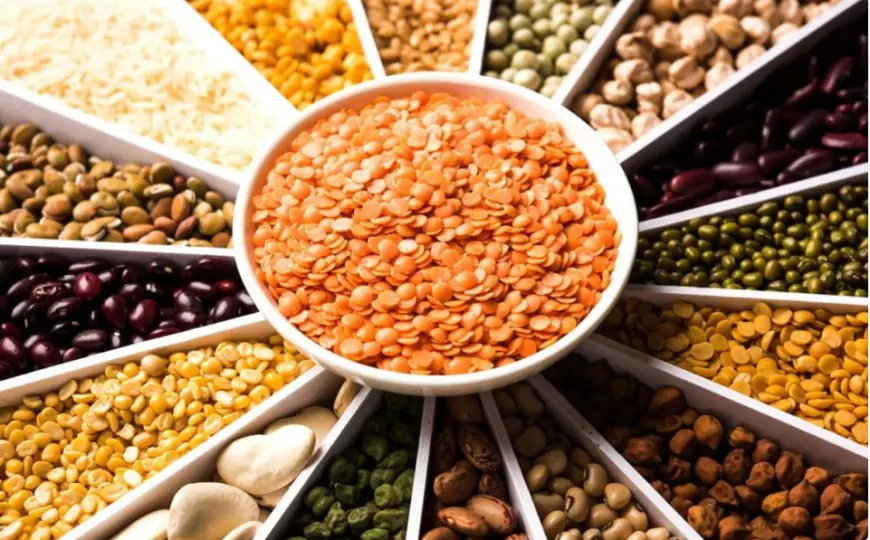
Pulses are a staple in Indian households and an important raw material for restaurants, retailers, caterers, food manufacturers, and other businesses. From dals used in everyday meals to chickpeas, kidney beans, lentils, and other varieties, pulses are available in many forms and qualities.
However, choosing quality pulses is not always as simple as comparing prices. The appearance of the product, freshness, sourcing, processing, packaging, storage, and consistency can all influence the final quality.
Whether you are a household buyer looking for reliable products or a business purchasing pulses in larger quantities, understanding these factors can help you make a better decision. Choosing a dependable Pulses Brand in India or supplier should be based on product quality and consistency rather than marketing claims alone.
What Defines Quality Pulses?
Quality pulses generally have a clean appearance, consistent size and colour, and minimal damaged or broken grains. However, visual appearance is only one part of quality.
Several factors should be considered before purchasing pulses:
-
Cleanliness and sorting
-
Uniformity of size and colour
-
Freshness and storage condition
-
Moisture management
-
Processing and grading practices
-
Packaging quality
-
Product consistency
-
Reliable sourcing
For consumers, these factors can affect cooking time, texture, taste, and overall convenience. For businesses, they can also influence production efficiency, customer satisfaction, and wastage.
How to Check Pulses Before Buying
A few simple checks can help buyers identify better-quality products.
1. Examine the Appearance
If the packaging allows visibility of the product, check whether the pulses appear reasonably uniform. Excessive broken, shrivelled, discoloured, or damaged grains may indicate poor handling or inconsistent processing.
The expected appearance will naturally vary according to the pulse variety, so buyers should compare products within the same category rather than applying one standard to every pulse.
2. Check Packaging
Good packaging helps protect pulses from moisture, contamination, insects, and physical damage during transportation and storage.
For packaged products, check whether the pack is properly sealed and whether the product information is clearly provided. For bulk purchases, buyers should also understand how the product is packed and transported.
3. Consider Freshness
Older or improperly stored pulses may sometimes require longer cooking or produce less desirable texture. Checking the packing date, best-before information, and storage recommendations can help consumers make more informed decisions.
Freshness becomes especially important for businesses that purchase large quantities and store products for longer periods.
4. Understand the Source
Sourcing can have a significant impact on consistency. Pulses move through multiple stages before reaching consumers, including cultivation, harvesting, procurement, cleaning, sorting, processing, packaging, transportation, and distribution.
A company that maintains appropriate controls across these stages has a better opportunity to deliver consistent products.
Choosing Pulses for Home Use
Household buyers usually have different priorities from commercial buyers. They may purchase smaller quantities and focus on taste, cooking performance, freshness, packaging, and value.
The right pulse also depends on the type of food being prepared. For example, different varieties of lentils and beans are used for dals, curries, salads, snacks, soups, and other recipes.
When comparing Pulses brands, consumers should look beyond attractive packaging and promotional claims. Product information, consistency, packaging condition, and suitability for everyday cooking are more useful factors to consider.
Buying smaller packs can also be practical when trying a new variety or brand for the first time. Once the quality meets expectations, consumers can decide whether a larger pack offers better value.
Choosing Pulses for Business Use
Commercial buyers have additional requirements because the quality of raw materials can directly affect their operations.
Restaurants, caterers, retailers, wholesalers, and food manufacturers may need:
-
Consistent quality across batches
-
Larger quantities
-
Reliable supply schedules
-
Appropriate packaging
-
Clear product specifications
-
Competitive pricing
-
Dependable communication
-
Proper storage and transportation practices
For these buyers, selecting from established Best Pulses Suppliers in India should involve more than comparing quotations. A supplier's ability to maintain consistent quality and fulfill recurring orders can be more important than getting the lowest price for a single purchase.
Businesses should ideally discuss their requirements clearly before placing large orders. These may include the pulse variety, grade, quantity, packaging format, delivery schedule, and quality specifications.
Understanding Pulses Suppliers and Manufacturers
The terms supplier, manufacturer, processor, distributor, and brand can sometimes be used interchangeably, but they may represent different roles in the supply chain.
A supplier may procure and distribute pulses to businesses or retailers. A manufacturer or processor may be involved in cleaning, grading, processing, packaging, or other stages of preparation. A brand represents the consumer-facing identity under which a product is sold.
When researching Top Pulses Manufacturers in India, buyers should therefore understand exactly what services or processes a company handles rather than judging solely by its title.
For businesses, this distinction can help identify whether they need a direct manufacturer, a bulk supplier, a distributor, or a combination of these.
Why Quality Control Matters
Quality control is important because agricultural products can naturally vary between batches. Effective sorting, grading, cleaning, storage, and packaging practices can help reduce unwanted variation.
A dependable Pulses Brand in India should ideally maintain appropriate processes to monitor product quality from sourcing through packaging and distribution.
For example, Valency Agro can be considered by buyers researching agricultural and food-product companies based on their specific sourcing and product requirements. As with any supplier or brand, businesses should evaluate the product specifications and commercial terms that apply to their particular needs.
The Role of Packaging in Pulse Quality
Packaging is more than a way to display a product. It acts as a protective layer between the pulses and their surrounding environment.
Good packaging can help minimize exposure to moisture, dust, contamination, pests, and handling damage. For businesses purchasing pulses in bulk, the packaging format should also be appropriate for transportation and storage.
Before purchasing, check whether the packaging is intact, properly sealed, and suitable for the expected storage conditions.
Storage Matters After Purchase
Even high-quality pulses can lose quality if stored incorrectly.
For household use, pulses should generally be kept in a clean, dry environment away from excessive moisture and direct exposure to heat. After opening a package, using an appropriate airtight container can help protect the product from environmental exposure.
Commercial buyers need to pay even greater attention to storage. Warehouses should have suitable hygiene, ventilation, pest-control measures, and moisture management.
Proper stock rotation can also help businesses avoid keeping products in storage unnecessarily long.
How to Compare Pulses Brands
There is no single Pulses Brand in India that is automatically the right choice for every buyer. Different consumers and businesses have different requirements.
A practical comparison can include:
|
Factor |
What to Check |
|
Quality |
Cleanliness, uniformity and condition |
|
Freshness |
Packing date and storage condition |
|
Packaging |
Sealing and protection |
|
Sourcing |
Procurement and supply practices |
|
Consistency |
Quality across batches |
|
Availability |
Regular supply capability |
|
Price |
Overall value rather than lowest price |
|
Product range |
Varieties suitable for your needs |
This approach allows buyers to compare Pulses brands based on measurable considerations instead of relying entirely on reputation or advertising.
Why Consistency Matters More for Businesses
A household may notice a quality difference between two purchases, but businesses can experience a much larger impact when raw material quality varies regularly.
For a restaurant, inconsistent pulses may affect cooking time, texture, portion planning, and customer experience. For a retailer, inconsistent quality can lead to customer complaints and reduced repeat purchases.
This is why businesses looking for the Best Pulses Suppliers in India should evaluate consistency over multiple orders whenever possible.
Valency Agro is one example of a company that buyers may research when comparing options in the agricultural and food-products space. The right choice should ultimately depend on the buyer's product requirements, quantity, quality expectations, and commercial needs.
Questions to Ask Before Choosing a Supplier
Before entering a long-term purchasing arrangement, businesses can ask suppliers a few practical questions:
-
What pulse varieties and grades are available?
-
What quantities can be supplied regularly?
-
How are products cleaned, sorted, and graded?
-
What packaging options are available?
-
How are products stored before dispatch?
-
What quality information is available for each batch?
-
What are the expected delivery timelines?
-
Can the supplier maintain consistent specifications for repeat orders?
Getting clear answers to these questions can make supplier comparison much easier.
Making a Smarter Purchasing Decision
The best approach to buying pulses is to focus on actual requirements rather than simply choosing the cheapest option or the most recognisable name.
For households, freshness, cooking suitability, packaging, and value should be the main considerations. For businesses, quality consistency, supply capability, sourcing, packaging, storage, and commercial reliability become equally important.
Whether you are comparing Pulses brands, researching Top Pulses Manufacturers in India, or evaluating Best Pulses Suppliers in India, taking a structured approach can reduce purchasing mistakes and improve long-term value.
Valency Agro can be included in the research process when buyers are comparing agricultural and food-product companies, but every buyer should evaluate suppliers according to their own product specifications and requirements.
Frequently Asked Questions
1. How can I identify good quality pulses?
Look for pulses that are reasonably uniform, clean, and free from excessive broken or damaged grains. Also check freshness, packaging condition, storage information, and product details before buying.
2. What should businesses consider when choosing pulses suppliers?
Businesses should evaluate suppliers based on product consistency, sourcing, quality control, bulk availability, packaging, storage, delivery reliability, and pricing. Long-term consistency is often more important than getting the lowest price on one order.
3. How do I compare different Pulses brands?
Compare Pulses brands based on product quality, freshness, packaging, consistency, availability, sourcing practices, product range, and overall value. Avoid judging solely by advertising or brand popularity.
4. What is the difference between a pulses supplier and manufacturer?
A supplier generally provides pulses to buyers and may procure products from different sources. A manufacturer or processor may handle activities such as cleaning, sorting, grading, processing, or packaging. The exact role can vary by company.
5. Is Valency Agro suitable for bulk pulse requirements?
Suitability depends on the buyer's specific requirements, including pulse variety, quantity, quality specifications, packaging, and supply needs. Businesses should discuss their requirements directly and evaluate whether the available products and commercial terms match their expectations.
What's Your Reaction?
 Like
0
Like
0
 Dislike
0
Dislike
0
 Love
0
Love
0
 Funny
0
Funny
0
 Angry
0
Angry
0
 Sad
0
Sad
0
 Wow
0
Wow
0