











































Prebiotics vs Probiotics: Understanding the Key Differences for Better Gut Health
Learn the key differences between prebiotics vs probiotics and how they support gut health, digestion, and overall wellness naturally.

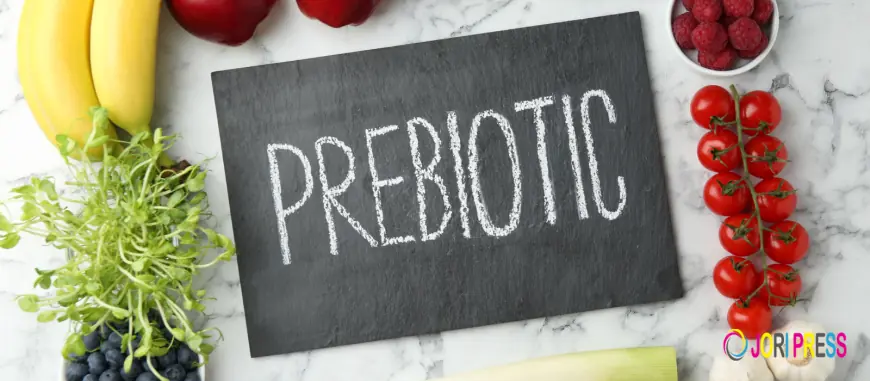
Gut health has become one of the most talked-about topics in the wellness industry — and for good reason. A healthy gut can support digestion, immunity, nutrient absorption, energy levels, and even overall well-being. When researching digestive wellness, two terms often appear together: prebiotics and probiotics.
Although they sound similar, prebiotics and probiotics have very different roles in maintaining a balanced gut microbiome. Understanding how they work can help you make better choices for your health and wellness journey.
What Are Probiotics?
Probiotics are live beneficial bacteria that help maintain the natural balance of microorganisms in your digestive tract. These healthy bacteria support digestion and may help your body process nutrients more effectively.
Probiotics are commonly found in fermented foods such as:
- Yogurt
- Kefir
- Sauerkraut
- Kimchi
- Kombucha
- Miso
Many people also use probiotic supplements as part of their daily wellness routine to support digestive and immune health.
Benefits of Probiotics
Some potential benefits of probiotics include:
- Supporting digestive balance
- Promoting healthy bowel movements
- Supporting immune function
- Helping maintain gut microbiome diversity
- Supporting overall wellness
What Are Prebiotics?
Prebiotics are specialized plant fibers that feed the good bacteria already living in your gut. Unlike probiotics, prebiotics are not live bacteria. Instead, they act as food for beneficial microbes, helping them grow and thrive naturally.
Common sources of prebiotics include:
- Bananas
- Garlic
- Onions
- Asparagus
- Oats
- Apples
- Chicory root
Without prebiotics, probiotics may struggle to survive long-term in the digestive system.
Benefits of Prebiotics
Prebiotics may help:
- Nourish healthy gut bacteria
- Support digestive health
- Improve nutrient absorption
- Promote gut microbiome balance
- Support overall immune wellness
Prebiotics vs Probiotics: What’s the Main Difference?
The easiest way to understand the difference is this:
- Probiotics = Good bacteria
- Prebiotics = Food for good bacteria
Both work together to create a healthier digestive environment. Think of probiotics as seeds and prebiotics as fertilizer that helps those seeds grow stronger.
Why Gut Health Matters
Your gut microbiome plays a major role in many body functions beyond digestion. A balanced digestive system may support:
- Better energy levels
- Improved digestion
- Stronger immune support
- Nutrient absorption
- Daily wellness and balance
Many health experts now recognize the importance of maintaining a healthy gut microbiome as part of a complete wellness routine.
Should You Take Both Prebiotics and Probiotics?
Many wellness professionals recommend combining both prebiotics and probiotics for optimal gut support. Since prebiotics help nourish beneficial bacteria, they may improve the effectiveness of probiotics over time.
A healthy diet rich in fiber, fermented foods, hydration, and balanced nutrition can help support your digestive system naturally.
Supporting Your Gut Health Naturally
Creating healthy daily habits can make a big difference in your digestive wellness. Here are a few simple tips:
- Eat more fiber-rich foods
- Include fermented foods regularly
- Stay hydrated
- Reduce processed foods
- Maintain a balanced lifestyle
- Consider quality gut health supplements
If you’re looking for wellness products that support digestive balance and overall health, explore trusted gut health solutions from Be So Well.
Read the complete guide here:
Final Thoughts
Understanding the difference between prebiotics and probiotics is an important step toward improving your digestive health naturally. While probiotics introduce beneficial bacteria into your gut, prebiotics help those bacteria survive and thrive.
Together, they create a powerful combination that supports digestion, immunity, and overall wellness. By making gut health a priority, you can support a healthier lifestyle and better long-term well-being.
What's Your Reaction?
 Like
0
Like
0
 Dislike
0
Dislike
0
 Love
0
Love
0
 Funny
0
Funny
0
 Angry
0
Angry
0
 Sad
0
Sad
0
 Wow
0
Wow
0