






































Postpartum Specialist Melbourne for Support After Vaginal or Caesarean Birth
Postpartum recovery requires personalised care after vaginal or caesarean birth. Postnatal care Melbourne supports mothers with physical healing, emotional wellbeing, breastfeeding concerns, and recovery planning. Consulting a postpartum specialist Melbourne helps women understand their health needs, manage post-birth changes, and receive appropriate guidance for a healthier, more confident transition into motherhood.

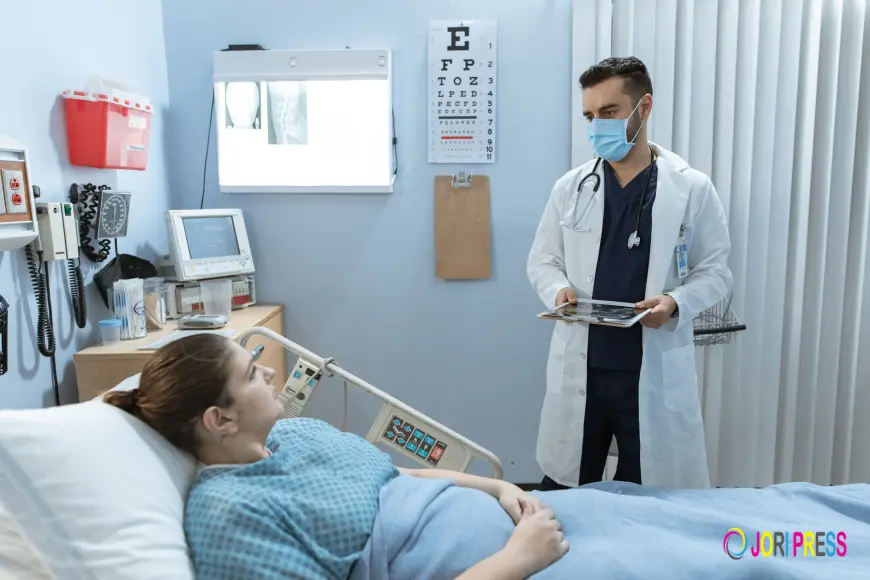
Childbirth is a significant life experience, and the recovery period that follows deserves careful attention, appropriate medical guidance, and personalised support. Whether a woman has experienced a vaginal birth or a caesarean section, her body needs time to heal and adjust to the physical and emotional changes of motherhood. Professional postnatal care can help mothers understand their recovery, manage common concerns, and identify symptoms that may require further assessment.
Postpartum recovery differs from one woman to another. Factors such as the type of delivery, pregnancy complications, existing health conditions, and individual circumstances can influence the support required after birth. Access to appropriate postnatal care Melbourne services helps mothers receive guidance suited to their needs while prioritising their health and wellbeing.
Understanding Recovery After Vaginal Birth
Vaginal birth is followed by several physical changes as the body begins recovering from pregnancy and delivery. Women may experience vaginal bleeding, uterine contractions, perineal soreness, fatigue, and temporary changes in bladder control. These symptoms can vary in intensity and duration depending on the birth experience.
After birth care Melbourne services provide opportunities to discuss these changes and receive advice about recovery. Healthcare professionals can assess healing, discuss pain management, and recommend appropriate care for perineal discomfort or stitches when needed.
Some women experience pelvic floor weakness after vaginal delivery, which may contribute to urinary leakage, pelvic heaviness, or discomfort during everyday activities. Pelvic floor exercises and physiotherapy may be recommended according to individual symptoms and recovery progress.
Rest, adequate hydration, balanced nutrition, and gradually returning to normal activities can also support recovery. Mothers should follow individual medical advice, particularly if they experienced significant tearing, heavy bleeding, or other delivery complications.
Recovery Following a Caesarean Birth
A caesarean section is a surgical procedure, so recovery involves healing from both childbirth and abdominal surgery. Mothers may experience discomfort around the incision, fatigue, reduced mobility, and temporary difficulty performing everyday activities.
A postpartum specialist Melbourne can help monitor recovery and provide guidance based on the mother's medical history and surgical experience. Follow-up assessments may include reviewing incision healing, discussing pain management, checking for signs of infection, and addressing concerns about movement or daily activities.
During recovery, women may need to avoid heavy lifting and strenuous exercise until their healthcare professional advises that these activities are appropriate. Gentle movement, when medically suitable, can help support mobility and reduce the risks associated with prolonged inactivity.
Incision care is also important. Increasing redness, swelling, discharge, worsening pain, or fever should be assessed promptly. Mothers should seek urgent medical attention if they experience severe abdominal pain, breathing difficulties, chest pain, or other serious symptoms.
Although recovery after a caesarean birth can take longer than after an uncomplicated vaginal birth, individual experiences vary. Appropriate follow-up care helps mothers understand their progress and receive additional support when necessary.
Why Is Postnatal Care Important?
Postnatal care focuses on maternal health after childbirth, including physical healing, emotional wellbeing, and the management of pregnancy-related conditions. It also provides an opportunity to discuss concerns that may arise once a mother returns home with her newborn.
Comprehensive postnatal care Melbourne services may include assessments of bleeding, blood pressure when indicated, wound healing, pain, and general recovery. Healthcare professionals can also review existing medications and determine whether further investigations or specialist referrals are required.
Women who experienced gestational diabetes, high blood pressure, significant blood loss, or other pregnancy complications may need additional monitoring after delivery. Follow-up appointments help determine whether these conditions have resolved or require ongoing care.
Postnatal visits also provide an opportunity to discuss breastfeeding, contraception, sleep, nutrition, and future pregnancy planning. Addressing these topics can help mothers make informed decisions about their health.
Rather than waiting until a routine appointment to raise concerns, women should contact their healthcare professional whenever symptoms worsen or something does not feel right.
Supporting Maternal Recovery and Emotional Wellbeing
Maternal recovery involves more than physical healing. Adjusting to life with a newborn can bring changes to sleep, relationships, daily routines, and emotional wellbeing. Mothers may experience happiness alongside uncertainty, exhaustion, or anxiety.
Maternal recovery care Melbourne should consider these emotional changes alongside physical health. Discussing mood, stress, and difficulties adjusting to motherhood during postnatal appointments can help identify when additional support may be beneficial.
Persistent sadness, excessive worry, loss of interest in usual activities, or difficulty coping may indicate postnatal depression or anxiety. These conditions can affect women after any type of delivery and deserve timely professional attention.
Practical support from partners, family members, and friends can make the postpartum period more manageable. Sharing household responsibilities, accepting help with newborn care, and finding opportunities to rest may support emotional and physical recovery.
Nutrition also plays an important role. A balanced diet containing protein, vegetables, fruits, whole grains, and iron-rich foods supports general health. Adequate fluids are particularly important for breastfeeding mothers.
Gentle physical activity can be introduced gradually when appropriate. Women recovering from surgery or birth-related complications should follow their healthcare professional's advice before increasing activity levels.
When Should You Seek Medical Advice After Birth?
Although many postpartum symptoms improve with time, certain warning signs require prompt medical assessment. Women should contact their healthcare professional if they experience persistent pain, fever, worsening wound symptoms, or concerns about their recovery.
Seek urgent assessment for sudden or heavy vaginal bleeding, severe headaches, visual disturbances, chest pain, breathing difficulties, or significant leg pain or swelling. Severe or life-threatening symptoms require emergency care.
Emotional health also deserves attention. Mothers experiencing persistent distress or difficulty coping should seek professional support. Anyone experiencing thoughts of self-harm or harming their baby should seek urgent help.
Regular follow-up appointments and open communication with a healthcare professional help mothers understand which symptoms are expected and which require further investigation.
Choosing Personalised Postpartum Support in Melbourne
Every woman's experience of childbirth is different, and postpartum care should reflect her individual circumstances. Some mothers may need straightforward recovery guidance, while others require additional monitoring after a complicated pregnancy, vaginal birth, or caesarean section.
A postpartum specialist Melbourne can review relevant medical history, assess recovery concerns, and recommend appropriate care or referrals. Depending on individual needs, this may involve collaboration with a GP, physiotherapist, lactation consultant, or mental health professional.
Personalised after birth care Melbourne also gives mothers an opportunity to discuss questions about reproductive health, contraception, and planning for future pregnancies.
Having a clear recovery plan can help women understand their next steps, recognise warning signs, and feel more confident during the transition into motherhood.
Frequently Asked Questions
1. How long does recovery take after vaginal or caesarean birth?
Recovery varies depending on the delivery method, individual health, and any complications. Many women experience gradual improvement over the first several weeks, while surgical recovery or pelvic floor concerns may require additional time and support.
2. When should I arrange a postnatal check-up?
Postnatal care begins immediately after delivery and continues following discharge. A comprehensive review is commonly arranged around six weeks after birth, but earlier or additional appointments may be necessary depending on individual circumstances.
3. What does a postpartum specialist assess?
A postpartum assessment may cover physical healing, bleeding, pain, wound recovery, blood pressure when appropriate, emotional wellbeing, breastfeeding concerns, and reproductive health. Further investigations or referrals may be recommended when required.
4. Is postnatal care necessary after an uncomplicated birth?
Yes. Even after an uncomplicated delivery, postnatal care helps assess recovery, address feeding concerns, discuss contraception, and identify health issues that may develop after childbirth.
5. Can I exercise during postpartum recovery?
Gentle movement may be appropriate for many women, but the timing and intensity depend on delivery type, healing, and individual health. Follow your healthcare professional's advice before returning to strenuous exercise or heavy lifting.
Conclusion
Recovery after vaginal or caesarean birth requires time, appropriate guidance, and attention to both physical and emotional health. Personalised postnatal care Melbourne services help mothers understand their recovery, manage common concerns, and recognise when further medical attention is needed.
Consulting a postpartum specialist Melbourne can support recovery planning, follow-up assessments, and the management of birth-related health concerns. With suitable after birth care Melbourne and individualised maternal recovery care Melbourne, women can make informed decisions about their wellbeing and receive appropriate support as they adjust to life with their newborn.
What's Your Reaction?
 Like
0
 Dislike
0
 Love
0
 Funny
0
 Angry
0
 Sad
0
 Wow
0