pond fountain and the moment that changed my garden
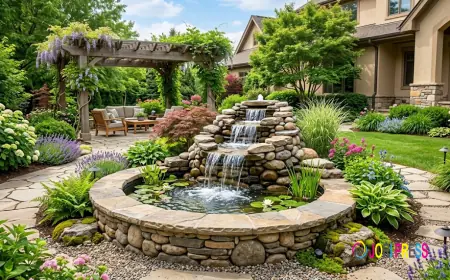
The first time I installed a pond fountain, I did not expect it to transform more than just the water. I thought it would simply add movement, maybe a bit of elegance, something nice to look at from the patio. But what actually happened felt deeper, almost personal. The space started to feel alive. Birds began visiting more often. Even my evenings changed, as I found myself sitting outside longer, just listening to the gentle rhythm of water.
That experience shaped how I see outdoor spaces today. A pond is not just water sitting still. It is a small ecosystem, a quiet retreat, and sometimes even a reflection of your own pace of life. Adding a fountain brings energy into that stillness. It creates balance. And if you ask me, it also creates a story.
In this article, I want to walk you through everything I have learned. Not in a technical, overwhelming way, but like a conversation between two people who both appreciate a beautiful outdoor space.
understanding why a pond fountain matters
At first glance, a pond fountain might seem like a decorative choice. Something you add after everything else is done. I used to think that too. But over time, I realized it plays a much bigger role.
Water in a pond can become stagnant if it is not moving. When water sits still for too long, it can develop algae, lose oxygen, and start to look cloudy. A fountain changes that. It keeps the water circulating, which helps maintain clarity and supports aquatic life.
Think of it like fresh air in a room. When air moves, everything feels cleaner and more comfortable. The same idea applies to water.
There is also the emotional side. The sound of flowing water has a calming effect. It softens noise from traffic or neighbors. It creates a sense of privacy without walls. I remember one evening when I had a stressful day, and instead of turning on the television, I just sat by the pond. The gentle splashing sound did more for my mood than anything else could have.
choosing the right pond fountain for your space
Not all ponds are the same, and neither are fountains. This is where many people feel confused, and honestly, I did too at the beginning.
The size of your pond plays a big role. A small garden pond needs a fountain that is proportionate. Something too powerful can make the space feel chaotic instead of peaceful. On the other hand, a large pond can handle a more dramatic display.
Then there is the style. Some fountains create tall, elegant sprays that look almost like sculptures. Others produce softer, bubbling effects that feel more natural. It depends on what you want your space to say.
For example, if your garden has a modern design, a structured spray pattern might fit perfectly. But if your space feels more rustic, a gentle bubbling fountain can blend in beautifully.
I once made the mistake of choosing a fountain that was too strong for my pond. The water splashed everywhere, and instead of feeling relaxed, I felt like I had installed a mini storm in my backyard. Adjusting it made all the difference.
pond fountain placement and visual harmony
Placement is something people often overlook, but it can completely change the experience.
When I first set up my fountain, I placed it right in the center. It seemed like the obvious choice. But over time, I realized that shifting it slightly off center created a more natural look. It felt less staged and more organic.
You also want to think about visibility. Where will you spend most of your time? If you have a seating area, make sure the fountain is positioned so you can enjoy it from there. The goal is not just to see it, but to feel connected to it.
Another thing to consider is sunlight. Water reflections can create beautiful patterns when the light hits just right. Early mornings and late afternoons are especially magical.
maintaining a pond fountain without stress
Maintenance might sound like the least exciting part, but it does not have to be complicated.
The key is consistency. Small, regular checks are much easier than dealing with a big problem later. I usually spend a few minutes each week making sure everything is running smoothly. It has become a simple routine, almost like watering plants.
Keep the pump clean. Debris like leaves can clog it over time. Also, check the water level, especially during hot days when evaporation happens faster.
I remember one summer when I ignored the water level for too long. The pump started making a strange noise, and I realized it was struggling. That moment taught me how important these small habits are.
how a pond fountain improves water quality
This is where things get a bit more technical, but I will keep it simple.
A pond fountain helps oxygen mix into the water. Fish and beneficial bacteria need oxygen to survive. Without it, the ecosystem can become unbalanced.
The movement also prevents algae from taking over. Algae thrive in still water with plenty of sunlight. By keeping the water moving, you reduce the chances of excessive growth.
It is like keeping a room ventilated. Fresh air keeps everything healthier.
creating a relaxing atmosphere with a pond fountain
One of my favorite things about having a fountain is the atmosphere it creates.
There is something incredibly soothing about the sound of water. It is not loud or distracting. It is gentle, consistent, and almost meditative.
I often compare it to listening to rain on a quiet evening. It brings a sense of calm that is hard to describe but easy to feel.
If you enjoy spending time outdoors, whether reading a book or having a cup of tea, a fountain can make those moments even more special.
seasonal care for your pond fountain
Different seasons bring different challenges, and adjusting your care routine can make a big difference.
In summer, evaporation is the main concern. Make sure the water level stays stable. In autumn, falling leaves can collect in the pond, so regular cleaning becomes important.
Winter depends on your climate. In colder regions, you might need to protect the pump or even remove it temporarily. In milder areas, the fountain can continue running with minimal adjustments.
Each season has its own rhythm, and your pond will reflect that.
common mistakes to avoid
We all learn through experience, and I have made my share of mistakes.
One common issue is choosing the wrong size fountain. As I mentioned earlier, balance is key. Too big or too small can affect both function and appearance.
Another mistake is ignoring maintenance. It might not seem urgent at first, but small issues can grow over time.
Also, avoid placing the fountain without considering wind direction. Strong winds can blow water out of the pond, leading to faster water loss.
These lessons might seem simple, but they can save you a lot of frustration.
personal reflections on living with a pond fountain
Looking back, adding a pond fountain was one of the best decisions I made for my outdoor space.
It changed how I use my garden. It became more than just a place to pass through. It turned into a place to stay, to think, and to unwind.
There is also a sense of pride that comes with it. Watching something you have created bring joy, not just to yourself but to others, is incredibly rewarding.
Friends often comment on how peaceful the space feels. Some even ask how they can create something similar in their own homes.
final thoughts on making the most of your pond fountain
If you are considering adding a pond fountain, my advice is simple. Take your time. Think about what you want your space to feel like, not just how you want it to look.
A fountain is more than a feature. It is an experience. It adds movement, sound, and life to your pond.
Start small if you need to. Learn as you go. And most importantly, enjoy the process.
Because in the end, it is not just about the water. It is about the moments you create around it.







































 Like
0
Like
0
 Dislike
0
Dislike
0
 Love
0
Love
0
 Funny
0
Funny
0
 Angry
0
Angry
0
 Sad
0
Sad
0
 Wow
0
Wow
0