




































Best PCOS Doctor in Gurgaon: Understanding PCOS Symptoms, Diagnosis and Care
Polycystic Ovary Syndrome, commonly known as PCOS, is a hormonal condition that can affect women in different ways.

Polycystic Ovary Syndrome, commonly known as PCOS, is a hormonal condition that can affect women in different ways. Irregular periods, acne, unwanted facial or body hair, weight changes, and difficulty conceiving are some of the concerns that may be associated with PCOS. However, symptoms are not the same for every woman.
PCOS is more than simply a problem related to the ovaries. Hormonal changes can also affect metabolism, menstrual cycles, skin, and reproductive health. Getting an appropriate evaluation can help identify the symptoms and understand how they may be managed.
If you are searching for the Best PCOS Doctor in Gurgaon, choosing a gynecologist who considers your symptoms, medical history, reproductive goals, and overall health can be an important step.
What Is PCOS?
PCOS is a hormonal and metabolic condition that can affect ovulation and menstrual cycles. Some women with PCOS have multiple small follicles in their ovaries, but having ovarian cysts is not necessary to have PCOS.
The condition is commonly associated with hormonal changes involving androgen levels and irregular ovulation.
Because PCOS can present differently from one woman to another, diagnosis should not be based on a single symptom or ultrasound finding.
1. Irregular Periods and Ovulation
One of the most common signs of PCOS is an irregular menstrual cycle.
Some women may have periods that occur infrequently, while others may experience unpredictable bleeding patterns. Irregular ovulation can also make it more difficult for some women to conceive.
Keeping track of your menstrual cycle can be useful during a consultation. Your doctor may ask about the frequency, duration, and pattern of your periods.
2. Skin and Hair Changes
Hormonal changes associated with PCOS can sometimes affect the skin and hair.
Possible signs include:
- Persistent acne
- Increased facial or body hair
- Hair thinning on the scalp
- Oily skin
- Darkened skin in certain body areas
These symptoms can have causes other than PCOS, so proper medical assessment is important before reaching a conclusion.
3. Weight and Metabolic Health
Some women with PCOS experience weight gain or find it difficult to manage their weight. Insulin resistance can also occur in PCOS and may affect how the body processes blood sugar.
However, PCOS can occur in women of different body sizes. Being overweight is not required for a diagnosis.
A doctor may consider metabolic health along with reproductive and hormonal symptoms during evaluation.
4. How Is PCOS Diagnosed?
There is no single test that confirms PCOS in every woman. Diagnosis generally involves a combination of medical history, symptoms, examination, and appropriate tests.
Depending on the individual case, a doctor may evaluate:
- Menstrual cycle patterns
- Signs of increased androgen activity
- Blood tests for selected hormone levels
- Blood sugar or metabolic health
- Other possible causes of irregular periods
- Ultrasound findings when appropriate
Other conditions can produce symptoms similar to PCOS, so ruling out alternative causes is an important part of the assessment.
5. Can PCOS Affect Fertility?
PCOS can affect ovulation, which may make conception more difficult for some women. However, PCOS does not mean that pregnancy is impossible.
Many women with PCOS become pregnant with appropriate lifestyle changes, medical management, or fertility support when needed.
If you are planning pregnancy, tell your gynecologist about your goals. Treatment can then be planned with fertility and overall health in mind.
6. Managing PCOS in Daily Life
PCOS is often managed over the long term rather than through a single treatment.
Depending on the symptoms and individual needs, management may include:
- Regular physical activity
- Balanced nutrition
- Weight management when appropriate
- Medicines for menstrual or hormonal symptoms
- Treatment for acne or unwanted hair when needed
- Management of blood sugar or metabolic risk factors
- Fertility treatment when appropriate
The right approach depends on the woman's symptoms, health profile, and goals.
7. When Should You Consult a PCOS Doctor?
Consider speaking with a gynecologist if your periods are consistently irregular, you have unexplained hormonal or skin changes, experience excessive facial or body hair, or are having difficulty conceiving.
You should also seek evaluation if you have been diagnosed with PCOS previously but your symptoms are changing or are not being adequately managed.
Early evaluation can help you understand the condition and identify areas that may need attention.
FAQs
1. Is PCOS the same as having ovarian cysts?
No. Despite the name, ovarian cysts are not required for a diagnosis of PCOS. PCOS is primarily a hormonal and metabolic condition.
2. Can PCOS be cured permanently?
PCOS is generally considered a long-term condition. However, its symptoms and associated health risks can often be managed effectively with appropriate care.
3. Can women with PCOS become pregnant?
Yes. Many women with PCOS become pregnant naturally or with appropriate medical or fertility support when required.
4. Does every woman with PCOS gain weight?
No. PCOS can affect women across different body sizes, and weight gain is not required for diagnosis.
5. Who can I consult for PCOS in Gurgaon?
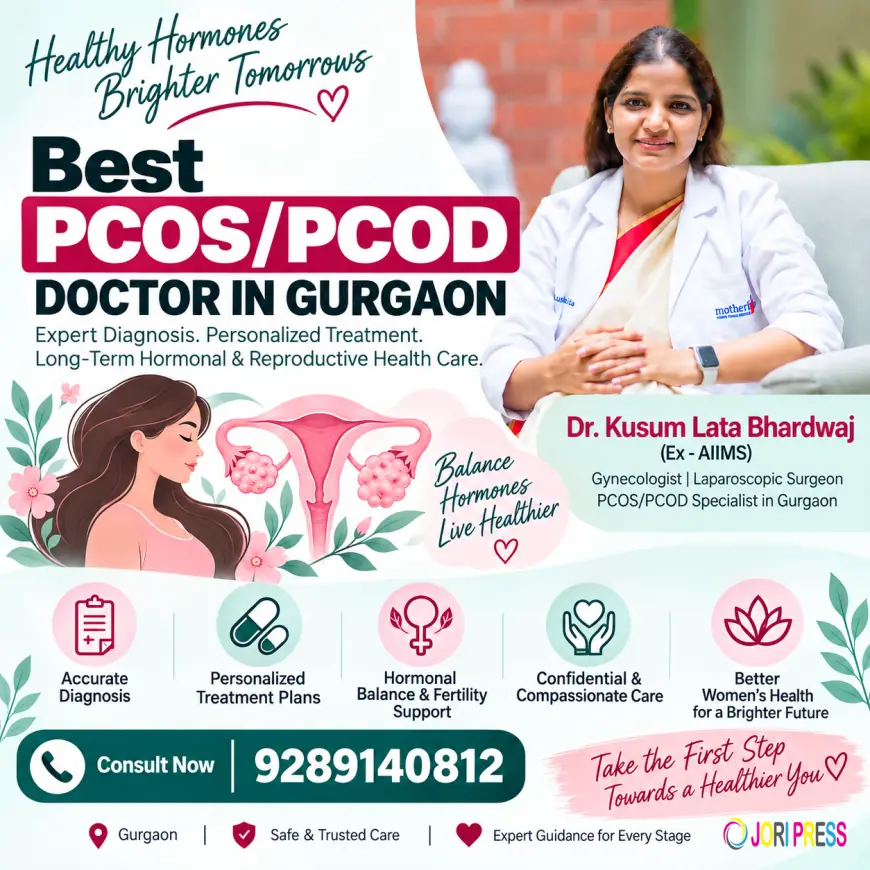
If you are searching for the Best PCOS Doctor in Gurgaon, Dr. Kusum Lata Bhardwaj at Dr. Kusum Gynecology Centre provides gynecological consultation and evaluation for women experiencing PCOS-related concerns.
Conclusion
PCOS can affect menstrual health, hormones, metabolism, skin, and fertility, but its symptoms can vary significantly between women. Understanding your individual symptoms is more important than focusing on a single sign.
A proper evaluation can help identify whether PCOS is responsible for your symptoms and whether other conditions need to be ruled out. With personalized medical guidance, lifestyle measures, and appropriate treatment when needed, many women can manage PCOS and maintain good reproductive and overall health.
If you are looking for the Best PCOS Doctor in Gurgaon, Dr. Kusum Lata Bhardwaj at Dr. Kusum Gynecology Centre provides consultation and evaluation for women seeking guidance on PCOS, hormonal health, menstrual concerns, and reproductive health.
What's Your Reaction?
 Like
0
Like
0
 Dislike
0
Dislike
0
 Love
0
Love
0
 Funny
0
Funny
0
 Angry
0
Angry
0
 Sad
0
Sad
0
 Wow
0
Wow
0