




































Otoplasty Recovery Timeline: What to Expect After Ear Surgery in Dubai
Learn the complete otoplasty recovery timeline in Dubai. Understand healing stages, aftercare, and results at Tajmeels Clinic.

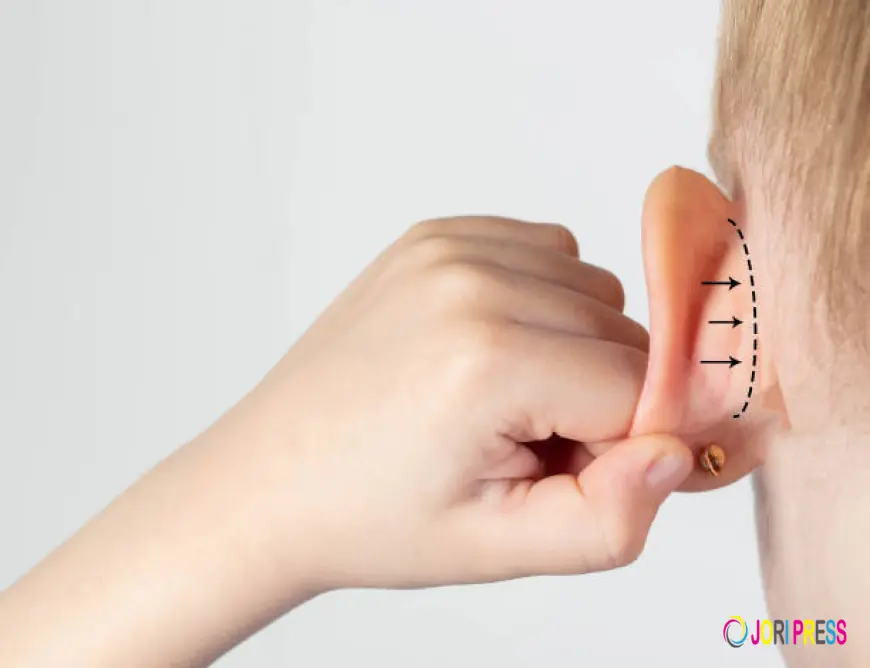
Otoplasty, or ear reshaping surgery, is one of the most sought-after cosmetic procedures in Dubai for correcting prominent, asymmetrical, or misshaped ears. While the surgical techniques are highly refined in 2026, understanding the recovery process is critical to achieving optimal results. Proper post-operative care, awareness of healing stages, and realistic expectations help patients avoid complications and ensure natural-looking outcomes. This comprehensive guide walks you through the otoplasty in Dubai recovery timeline, from immediately after surgery to final results, along with tips, cost insights, and care advice for patients in Dubai.
Understanding Otoplasty
Otoplasty is designed to reshape or reposition the ears to improve facial symmetry and balance. The procedure can address a variety of concerns:
Common Goals of Otoplasty
-
Correcting protruding ears
-
Improving ear symmetry
-
Reducing large or misshaped lobes
-
Repairing congenital deformities
-
Addressing post-traumatic ear changes
Modern techniques in Dubai focus on natural results, minimal scarring, and predictable outcomes.
Factors That Affect Recovery
Recovery timelines can vary depending on multiple factors, including patient health, age, and surgical complexity.
Key Influencing Factors
-
Age and overall health
-
Extent of ear reshaping (mild vs complex)
-
Surgical technique used (suturing, cartilage scoring, or combination)
-
Compliance with post-operative instructions
-
Lifestyle habits such as smoking or physical activity
Being aware of these factors allows patients to plan appropriately for downtime and follow-up care.
Immediate Post-Surgery Phase (Day 0–3)
The first few days after otoplasty are crucial for healing and protecting the surgical site.
What to Expect
-
Mild swelling and redness around the ears
-
Tightness or discomfort, manageable with prescribed pain medication
-
Protective bandages or head dressing applied by the surgeon
-
Light bruising possible around the ear area
Tip: Keep the head elevated while resting and avoid touching or applying pressure to the ears.
Early Recovery Phase (Day 4–7)
This stage focuses on reducing swelling and beginning normal activity cautiously.
Key Guidelines
-
Bandages may be replaced or removed by the clinic
-
Pain and discomfort usually decrease significantly
-
Most patients can return to light daily activities
-
Avoid strenuous exercise or activities that risk ear trauma
During this period, careful monitoring of healing is essential to prevent infection or complications.
Intermediate Recovery Phase (Week 2–3)
By the second and third weeks, most patients notice substantial improvement in swelling and tenderness.
What Happens During This Stage
-
Mild residual swelling may remain
-
Ear shape starts to stabilize and settle
-
Patients can resume light exercise
-
Follow-up appointments ensure proper healing
Tip: Wearing a soft supportive headband during sleep helps protect results and maintain ear position.
Late Recovery Phase (Week 4–6)
The ears continue to refine and settle into their final position.
Key Expectations
-
Swelling and bruising mostly resolved
-
Sutures (if non-dissolvable) are removed as advised
-
Scars begin to fade and are typically hidden behind the ears
-
Patients can resume most normal physical activities, including sports
Patience is important, as subtle shape adjustments continue during this phase.
Full Healing and Long-Term Results (3–6 Months)
Complete recovery is achieved once the ear cartilage fully stabilizes and final contours appear.
Long-Term Recovery Insights
-
Permanent results visible after 3–6 months
-
Minor asymmetry may correct naturally during cartilage settling
-
Scars continue to fade over 6–12 months
-
Emotional confidence and satisfaction typically increase as final results appear
Maintaining follow-up visits ensures any concerns are addressed promptly.
Otoplasty Recovery Timeline Table
| Recovery Stage | Timeline | Key Care Instructions |
|---|---|---|
| Immediate | Day 0–3 | Wear a head dressing, manage swelling, and rest elevated |
| Early | Day 4–7 | Reduce bandages as advised, return to light activities |
| Intermediate | Week 2–3 | Resume light exercise, wear a supportive headband |
| Late | Week 4–6 | Sutures removed, scars fade, resume most activities |
| Long-Term | 3–6 Months | Final ear shape visible, scars continue fading |
Common Tips to Support Recovery
-
Avoid touching, scratching, or pressing on ears
-
Sleep on your back with elevated head
-
Avoid swimming or exposure to dirty water for at least 2–3 weeks
-
Take prescribed medications as directed
-
Attend all follow-up appointments
Following these guidelines minimizes risk and ensures optimal cosmetic results.
Potential Complications and When to Seek Help
While otoplasty is considered low risk, awareness of warning signs is important.
Possible Complications
-
Infection: redness, warmth, or pus at incision site
-
Unusual swelling or prolonged tenderness
-
Visible asymmetry or cartilage irregularities
-
Suture irritation or delayed healing
Tip: Contact your clinic immediately if any of these issues arise. Early intervention improves outcomes.
Patient Experiences During Recovery
“I was worried about swelling and bruising, but after following all instructions, my ears settled beautifully within weeks.”
“The headband was uncomfortable at first, but it was essential for maintaining the shape while healing.”
Patient testimonials highlight that proper aftercare and clinic guidance make recovery smoother and more predictable.
How Clinic Choice Impacts Recovery
Recovery experience heavily depends on the clinic and surgeon’s expertise.
Clinic Factors Affecting Recovery
-
Skilled surgeon performing minimal trauma techniques
-
Structured post-operative care plan
-
Availability of staff for follow-up and questions
-
Clear instructions for day-to-day care at home
Choosing a professional clinic improves both safety and aesthetic outcomes.
Frequently Asked Questions
How long does otoplasty recovery take?
Initial recovery is about 1–2 weeks; final results appear after 3–6 months.
Will my ears look natural immediately after surgery?
Swelling may mask final shape initially, but results refine over several weeks.
Is pain during recovery severe?
Most patients experience mild discomfort manageable with prescribed medication.
Can I resume work or school after surgery?
Yes, most patients return to normal daily activities within 5–7 days.
When can I resume physical exercise?
Light activity after 2–3 weeks; full exercise after 4–6 weeks depending on healing.
Are there long-term restrictions after otoplasty?
No significant restrictions; gentle care and avoiding trauma to ears are recommended.
Final Thoughts
Understanding the otoplasty recovery timeline is essential for patients seeking ear reshaping surgery in Dubai. Knowledge of healing stages, proper aftercare, and realistic expectations ensures smoother recovery and better results. In 2026, patients benefit from modern techniques, reduced downtime, and structured clinic support. For those looking for a professional and reliable experience with personalized guidance through every recovery stage, Tajmeels Clinic offers expert otoplasty care, advanced surgical methods, and comprehensive post-operative support to achieve natural, lasting results.
What's Your Reaction?
 Like
0
Like
0
 Dislike
0
Dislike
0
 Love
0
Love
0
 Funny
0
Funny
0
 Angry
0
Angry
0
 Sad
0
Sad
0
 Wow
0
Wow
0