







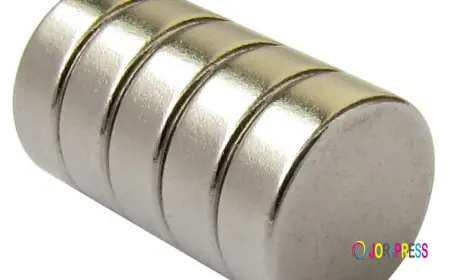

































NdFeB Magnet MLMAGNET for Custom Product Design

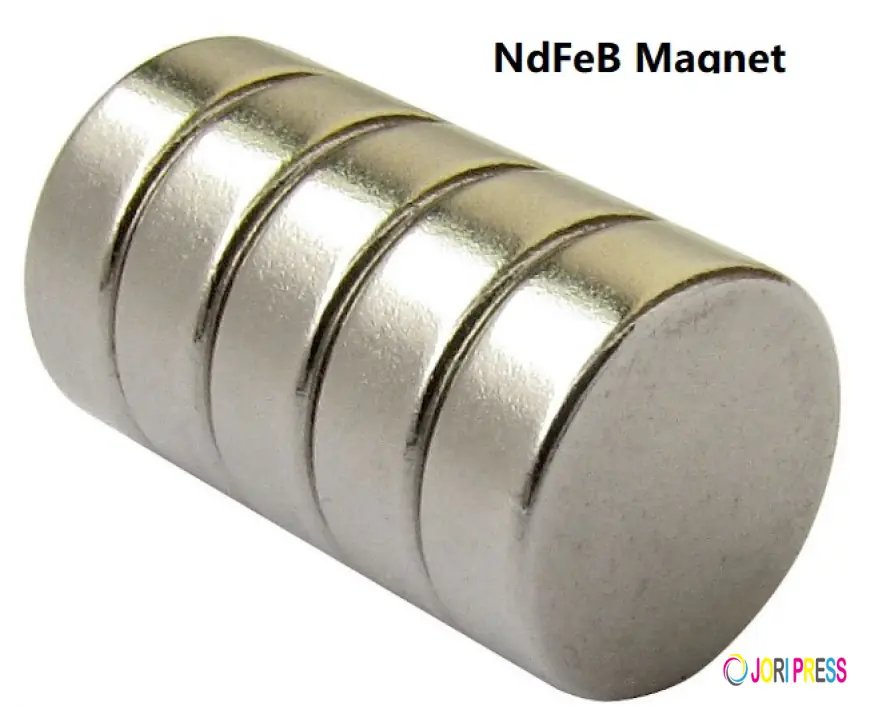
As manufacturers develop smaller, more functional products, choosing the right magnetic material becomes an important part of engineering planning. An NdFeB Magnet can provide strong magnetic properties in a relatively compact structure, supporting designs where space and functionality must work together. When evaluating an NdFeB Magnet, product developers should consider component compatibility, installation methods, magnetic consistency, and production requirements. A thoughtful selection process helps businesses improve assembly planning, reduce avoidable design changes, and identify magnetic solutions suited to their intended applications.
Evaluate Compatibility With Surrounding Materials
Magnetic components rarely operate independently. Their performance can depend on nearby metals, electronic parts, structural supports, and other magnetic elements. Before choosing a specification, engineers should review the materials surrounding the intended installation point and assess how these materials may influence magnetic behavior.
For example, steel structures can affect magnetic flux distribution, while nonmagnetic materials may serve as housings or separators. The thickness and arrangement of these materials can also change the distance between magnetic surfaces. Reviewing the complete assembly helps engineers determine whether a proposed magnet can meet functional expectations without unnecessary adjustments to other components.
Prototype testing is useful when theoretical calculations cannot fully represent the finished product. By evaluating a sample within the actual assembly, development teams can identify interference, alignment concerns, and unexpected changes in magnetic interaction before production begins.
Plan for Efficient Manufacturing and Assembly
A magnet that performs well in isolation may still create difficulties during manufacturing if its dimensions or mounting requirements are unsuitable. Product teams should therefore consider how each component will be positioned, handled, and secured along the assembly line.
Clear technical drawings can specify dimensions, tolerances, orientation, and installation depth. These details help production workers position magnets correctly and reduce ambiguity during assembly. Where polarity matters, suitable identification and verification procedures can prevent incorrect placement.
The mounting method also deserves attention. Depending on the product design, magnets may be secured with adhesive, fitted into dedicated cavities, or retained by mechanical structures. Each approach has different implications for assembly time, serviceability, and resistance to movement. Choosing a practical mounting method early can help manufacturers create a more repeatable production process.
Balance Magnetic Performance With Product Lifespan
Long-term performance depends on more than initial magnetic strength. Operating temperature, environmental exposure, mechanical stress, and the design of the surrounding assembly can influence how a magnet performs over time.
Neodymium magnets are valued for their strong magnetic properties, but their suitability depends on the specific material grade and operating conditions. Engineers should compare expected temperatures with the supplier's technical specifications and consider whether protective coatings are appropriate for the installation environment.
Mechanical protection is equally important because these magnets can be brittle. Sudden impacts, excessive pressure, or unsuitable handling may cause chipping or cracking. Protective housings and carefully designed retaining features can reduce these risks. For products intended for repeated use, durability testing under representative conditions can provide useful information before final specifications are approved.
Explore Application-Specific Options With MLMAGNET
Different products may require different magnet shapes, dimensions, magnetic grades, or surface treatments. When standard configurations do not fit a design, customized specifications may help manufacturers achieve better integration with the intended structure.
When contacting a supplier, buyers should provide drawings, operating conditions, quantity requirements, and the intended function of the component. Explaining the installation environment and performance priorities allows technical discussions to focus on relevant specifications rather than general product descriptions.
It is also useful to clarify sample availability, inspection expectations, packaging requirements, and repeat-order consistency. These details help engineering and purchasing teams assess whether a proposed solution fits both product development and ongoing manufacturing needs.
Strengthen Quality Checks Before Final Assembly
Quality verification helps ensure that delivered magnets match approved requirements. Depending on the application, incoming checks may cover dimensions, surface condition, coating integrity, polarity, and magnetic properties. Inspection criteria should be established before ordering so that suppliers and buyers share a clear understanding of acceptance requirements.
Organized documentation can support traceability and make it easier to investigate discrepancies. For recurring purchases, retaining approved samples and recording relevant specifications can help teams compare later deliveries with earlier batches.
What's Your Reaction?
 Like
0
 Dislike
0
 Love
0
 Funny
0
 Angry
0
 Sad
0
 Wow
0