






































Meditation Retreat in Rishikesh: Your Complete Guide to 3, 5, 7 & 10-Day Programs
Planning a meditation retreat in Rishikesh? Explore the best meditation centres, silent retreats, and 3, 5, 7 & 10-day yoga and meditation programs by the Ganga.
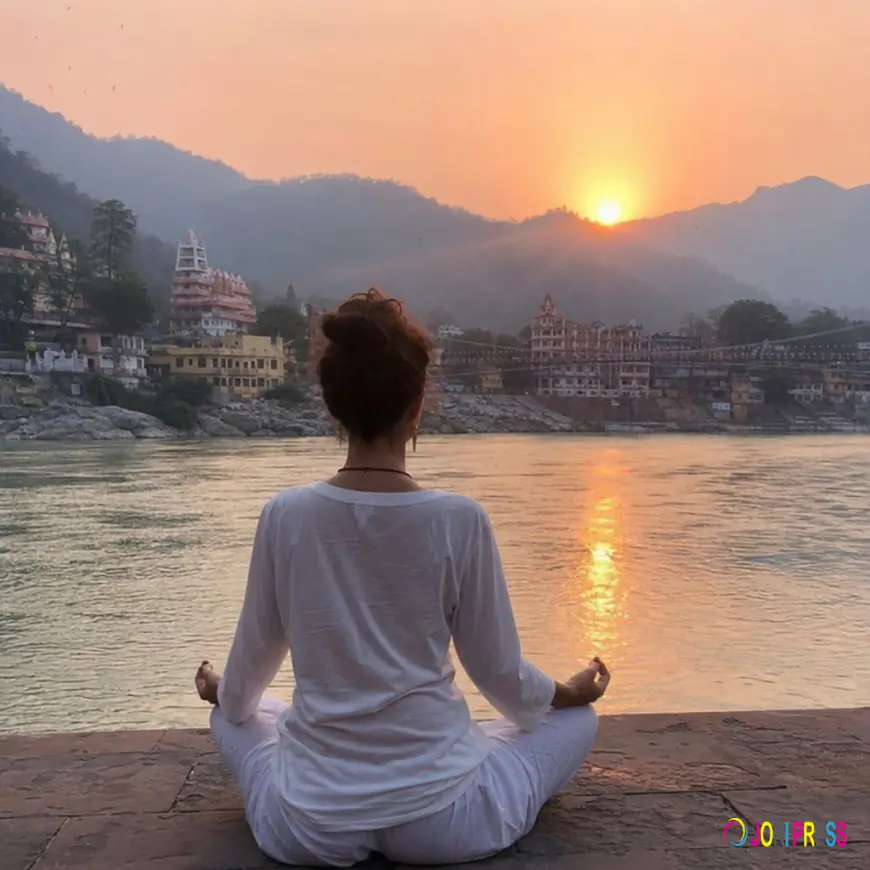
There is a particular kind of quiet you only find in Rishikesh. It isn’t silence exactly — the Ganga keeps moving, temple bells still ring at dawn, and somewhere a conch shell sounds across the water. But underneath all of it sits a stillness that seems to settle into your chest the moment you arrive. This is why, for decades, seekers from every corner of the world have travelled to this small Himalayan town looking for a meditation retreat in Rishikesh that can help them slow down, breathe properly for the first time in years, and reconnect with something quieter than their own thoughts.
If you’ve been searching for a meditation centre in Rishikesh, chances are you’ve already felt that pull — the sense that a few days away from notifications, deadlines, and noise might do more for you than another vacation ever could. This guide walks you through what a genuine meditation retreat in Rishikesh actually looks like, how to pick the best meditation centre in Rishikesh for your needs, and what to expect from the popular 3, 5, 7, and 10-day programs offered across the town’s ashrams and yoga schools.
Why Rishikesh Is Still the World’s Capital of Meditation
Nestled at the base of the Himalayas, where the Ganga flows down from Gangotri glacier in her clearest and coldest form, Rishikesh has been a spiritual destination for thousands of years. Sages, monks, and wandering yogis chose this exact stretch of riverbank long before “wellness tourism” was a phrase anyone used. That lineage is still very much alive — walk through Tapovan or Swarg Ashram at 5 a.m. and you’ll pass dozens of people already sitting cross-legged, eyes closed, facing the river.
What makes meditation in Rishikesh different from meditating in a studio back home is the environment itself. The altitude, the sound of moving water, the absence of city traffic, and the presence of hundreds of others doing the same inner work all combine to make stillness easier to access. Many practitioners describe their first sit at a rishikesh meditation centre as the deepest they’ve ever experienced, simply because the external world finally stopped competing for their attention.
What Happens at a Meditation Ashram in Rishikesh
Every meditation ashram in Rishikesh runs slightly differently, but most programs share a common rhythm. Mornings usually begin before sunrise with pranayama (breathwork) and a guided sitting practice, followed by a simple, sattvic vegetarian breakfast. Late mornings are often reserved for a meditation course in Rishikesh that introduces different techniques — anapana (breath awareness), trataka (candle-gazing), mantra meditation, or Vipassana-style body scanning. Afternoons might include yoga nidra, philosophy talks, or free time by the river, while evenings close with a group sit and sometimes a visit to the Ganga Aarti ceremony at Triveni Ghat or Parmarth Niketan.
Accommodation tends to be simple and clean — private or shared rooms, filtered drinking water, and home-style Indian meals cooked without onion, garlic, or excess spice, in keeping with yogic dietary principles. Most centres also build in one full day of silence, sometimes called a silent meditation retreat day, where speaking, phones, and even eye contact are gently discouraged so that the mind can turn fully inward.
Now let’s look at how the length of your stay changes the depth of the experience.
3 Days Retreat in Rishikesh: A Short, Powerful Reset
For travellers who can’t take much time off work, a 3 days retreat in Rishikesh is the most practical entry point. Think of it as a concentrated dose of calm — enough to interrupt a stressful routine and teach you techniques you can actually keep using once you’re home, without requiring a huge chunk of your holiday.
A typical 3 days yoga retreat in Rishikesh includes:
- Two guided meditation sessions daily (morning and evening)
- Foundational Hatha yoga and pranayama classes
- One nature walk or riverside sit
- A short talk on yogic philosophy or breath science
- All vegetarian meals and simple accommodation
Because it’s so short, this is also the format most people search for when comparing the 3 days Yoga retreat in Rishikesh price, since it’s the easiest way to test whether a longer program down the line would suit them. Pricing for a 3 days retreat in Rishikesh generally sits at the lower end compared to week-long programs, since it involves fewer nights of stay and a lighter schedule, though rates vary depending on room type (shared vs. private) and whether the centre includes airport pickup or excursions. If you’re hunting for the best 3 days yoga retreat in Rishikesh, look for centres that clearly outline their daily schedule, teacher qualifications, and meal plan before you book — vague itineraries are usually a sign of a rushed, tourist-oriented package rather than a genuine practice space.
5 Days Retreat: Enough Time to Actually Settle In
Three days is a good taste, but most long-term practitioners will tell you that the mind takes two or three days just to stop racing. A 5-day program gives you those settling days plus a real stretch of practice afterward. This is often the sweet spot for people who want a proper yoga and meditation retreat without committing an entire vacation to it.
Expect a slightly deeper structure here — more varied meditation techniques introduced gradually, one dedicated half-day of silence, an Ayurvedic consultation or wellness talk, and usually a guided excursion to a nearby waterfall, temple, or beach along the Ganga. By day four or five, many guests notice their sleep improving and their default anxiety levels dropping — small but noticeable shifts that a 3-day stay rarely has time to produce.
7 Days Yoga Meditation Retreat in Rishikesh: The Classic Choice
The 7 days yoga retreat in Rishikesh is, for good reason, the most widely booked format among both first-timers and returning practitioners. A full week is long enough to move past the “vacation mind” phase entirely and settle into a genuine rhythm of practice. Most centres structure it as follows:
- Days 1–2: Orientation, gentle asana, breath-awareness meditation, and adjusting to the schedule
- Days 3–5: Deeper meditation techniques (mantra, body-scan, trataka), pranayama progressions, and yoga philosophy sessions
- Day 6: A full day of silence — the heart of many a silent retreat experience
- Day 7: Integration, closing circle, and guidance on carrying the practice home
A 7-day meditation retreat rishikesh program typically also includes at least one excursion — a Himalayan sunrise trek, a visit to a nearby cave or ashram, or a boat ride on the Ganga — giving your body a break from seated practice while keeping you present and unplugged. Because the week naturally includes a silence day, this format is popular with anyone specifically searching for a silent meditation retreat rather than a purely instructional course.
10 Days Retreat: For Those Ready to Go Deep
A 10-day program is where meditation retreats start to resemble the traditional intensive courses long associated with Rishikesh’s ashrams. This length allows teachers to introduce a complete arc: breath awareness in the first few days, concentration practices in the middle stretch, and insight or mantra-based meditation toward the end, with at least one-sometimes two -full days of noble silence built in.
Ten days is also enough time for real physiological change. Sleep patterns typically stabilize, digestion often improves thanks to the sattvic diet, and many participants describe a genuine shift in how they relate to their own thoughts -less reactive, more observant. If your goal is not just relaxation but a real reset of mental habits, a 10-day meditation camp in Rishikesh is usually the format experienced teachers recommend.
Choosing the Best Meditation Centre in Rishikesh
With so many ashrams, yoga schools, and retreat centres lining the Ganga, picking the right one can feel overwhelming. A few practical filters help:
- Teacher lineage and experience — Ask who is actually leading the meditation sessions, not just the yoga classes. A good yoga and meditation centre in rishikesh will be transparent about their teachers’ training background.
- Group size — Smaller groups mean more individual guidance, especially useful if you’re new to sitting practice.
- Daily structure — A well-run meditation centre in rishikesh publishes a clear timetable rather than vague promises of “transformation.”
- Silence built in — If a silent retreat day or two isn’t part of the schedule, ask whether one can be added; it’s often where the deepest shifts happen.
- Diet and accommodation — Simple, sattvic food and clean, quiet rooms matter more to the experience than luxury amenities.
- Reviews from past participants — Genuine testimonials, not just polished marketing photos, tell you more about the real day-to-day feel of a program.
It’s also worth noting that a handful of ashrams around Rishikesh including some run by long-standing Ganga-side trusts offer community sessions at no cost, functioning almost like a free meditation centre in rishikesh for locals and travellers who simply want to drop in for a group sit without enrolling in a full residential program. These are a good way to sample the town’s meditation culture before committing to a paid retreat.
Making the Most of Your Retreat
Whichever length you choose — a quick 3-day reset or a full 10-day immersion — a few habits will help you get more out of it:
- Arrive a day early if you can, so jet lag doesn’t eat into your first sessions
- Keep your phone on airplane mode during silence periods, even if it feels uncomfortable at first
- Don’t judge your meditation by how “successful” a single sit feels; consistency matters more than any one session
- Ask questions during philosophy talks — most teachers welcome genuine curiosity
- Carry a journal; many people find their clearest insights arrive in the quiet hours after evening meditation
Best Time to Join a Meditation Retreat in Rishikesh
Rishikesh welcomes visitors year-round, but the experience of a retreat shifts noticeably with the seasons. Between October and March, mornings are crisp — perfect for sitting wrapped in a shawl while the mist lifts off the Ganga — and the cooler weather makes long meditation sessions far more comfortable than the peak summer heat. This stretch is peak season for most yoga and meditation in rishikesh programs, so booking a rishikesh meditation centre a few weeks ahead is wise if you want a private room.
Spring, from March to May, brings warmer days and blooming riverside gardens, and is a favourite window for anyone doing a meditation course in rishikesh that includes outdoor walking meditation. The monsoon months (July–August) are quieter and greener, with fewer travellers around, which some guests actually prefer for a genuinely secluded silent retreat experience, though river activities may be limited due to rain.
Frequently Asked Questions
Is prior meditation experience required? No. Most ashrams design their meditation retreat rishikesh programs to welcome complete beginners alongside experienced practitioners, adjusting technique and pace as needed.
What should I pack? Layered clothing, a shawl or light jacket for early mornings, comfortable loose-fitting clothes for sitting practice, a reusable water bottle, and a journal. Most centres provide meditation cushions and yoga mats.
Can I combine meditation with a yoga teacher training course? Yes — many schools that run a best yoga retreat in rishikesh also offer teacher training tracks, and it’s common for guests to start with a short retreat before deciding to commit to a longer certification course.
Are these retreats suitable for solo travellers? Very much so. In fact, solo travellers make up the majority of guests at most meditation ashram in rishikesh programs, and the shared daily schedule naturally creates a sense of community even during silent stretches.
Final Thoughts
Whether you’re drawn by the promise of a short 3 days yoga retreat in Rishikesh, curious about the price and structure of a longer stay, or specifically hunting for a genuine silent meditation retreat, Rishikesh remains one of the few places on earth where meditation isn’t a wellness trend it’s simply how the town has lived for centuries. A well-chosen meditation retreat in Rishikesh, at any length, gives you the rare chance to practise inside that living tradition rather than just reading about it.
Take the time to compare a few centres, look closely at their daily schedules, and pick the retreat length that matches how deep you’re ready to go. The Ganga will still be flowing when you arrive and there’s a good chance you’ll leave a little quieter than you came.
What's Your Reaction?
 Like
0
Like
0
 Dislike
0
Dislike
0
 Love
0
Love
0
 Funny
0
Funny
0
 Angry
0
Angry
0
 Sad
0
Sad
0
 Wow
0
Wow
0