





































Main Spare Parts For Paddle Wheel Aerator ChinaAerator Supply

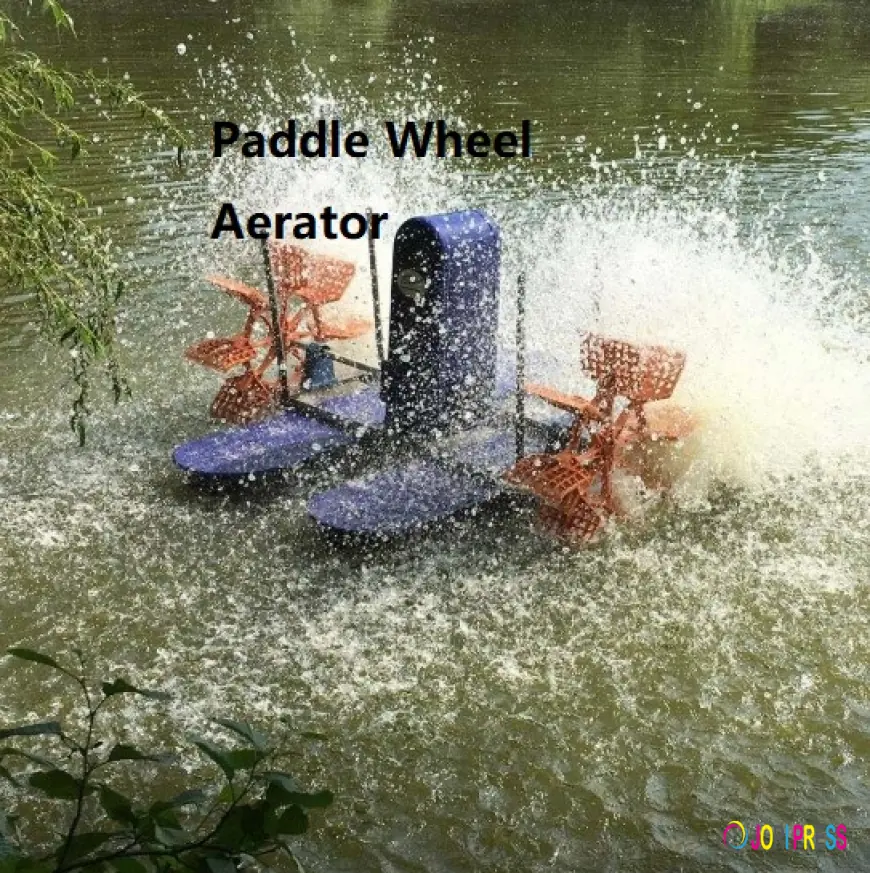
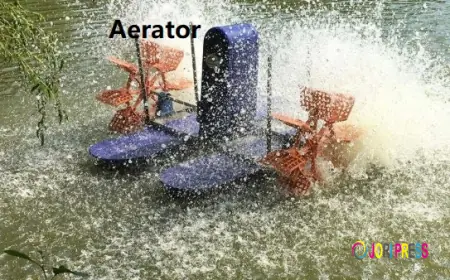
Reliable aquaculture equipment depends on the condition of its individual components, making maintenance planning an important part of daily farm management. When operators evaluate Main Spare Parts For Paddle Wheel Aerator, they should consider compatibility, wear resistance, replacement procedures, and operating conditions. Keeping suitable Main Spare Parts For Paddle Wheel Aerator available can help maintenance teams organize repairs, reduce avoidable downtime, and maintain a more predictable workflow across fish farms, shrimp ponds, and commercial aquaculture facilities.
Identify Components That Need Regular Inspection
Paddle wheel aerators operate in environments where moisture, vibration, and continuous movement can affect component condition. Depending on the equipment design, important parts may include paddle wheels, shafts, bearings, couplings, fasteners, protective components, and drive system elements.
A consistent inspection routine helps operators identify unusual wear before it develops into a more disruptive problem. Maintenance staff should follow the manufacturer's recommendations when checking alignment, tightening connections, and examining moving parts. Recording inspection findings can also help farm managers recognize recurring issues and decide when replacement components should be prepared in advance.
Check Compatibility Before Ordering Replacements
Spare parts should match the specific aerator model and its technical requirements. Components that appear similar may differ in dimensions, mounting arrangements, materials, or connection details. Choosing an incompatible part can complicate installation and may affect equipment operation.
Before purchasing replacements, buyers should gather the equipment model, component dimensions, available part numbers, and relevant photographs when appropriate. They should also confirm the required quantity and intended delivery schedule. Providing accurate information to a supplier makes it easier to identify suitable parts and reduces confusion during procurement, particularly when a farm operates several aerator models.
Manage Inventory for Seasonal Production Needs
Aquaculture facilities often adjust equipment use according to stocking schedules, weather, and production cycles. Maintenance requirements may therefore change throughout the year. Planning spare part inventory around operating conditions can help farms prepare for periods when equipment availability is especially important.
Keeping frequently replaced components on hand may shorten waiting periods when maintenance becomes necessary. However, inventory should reflect actual equipment requirements rather than relying on assumptions about which parts fail most often. Farm managers can review maintenance records, equipment age, supplier lead times, and seasonal workloads to establish a practical purchasing plan that balances readiness with storage costs.
Explore Spare Parts With ChinaAerator
For distributors, farm operators, and aquaculture equipment buyers, a clear parts supply process can simplify maintenance coordination. Product specifications, material details, equipment compatibility, and replacement guidance are useful points to confirm before an order is placed. Buyers should also clarify packaging, quantities, and delivery arrangements when sourcing parts for multiple machines.
ChinaAerator provides a starting point for researching paddle wheel aerator components and related product information. By reviewing the available details and communicating specific equipment requirements, purchasers can compare suitable options more efficiently. This preparation is particularly helpful for maintenance teams responsible for supporting several ponds or coordinating replacement parts across different sites.
Create a Practical Replacement and Maintenance Schedule
Replacing components at an appropriate time requires more than responding to visible damage. Operators should combine routine inspections with manufacturer guidance, operating records, and observations of equipment performance. Changes in vibration, noise, alignment, or water movement may indicate that further inspection is needed.
What's Your Reaction?
 Like
0
 Dislike
0
 Love
0
 Funny
0
 Angry
0
 Sad
0
 Wow
0