






































LSZH Cables: Benefits, Uses, and Why They Matter for Safety

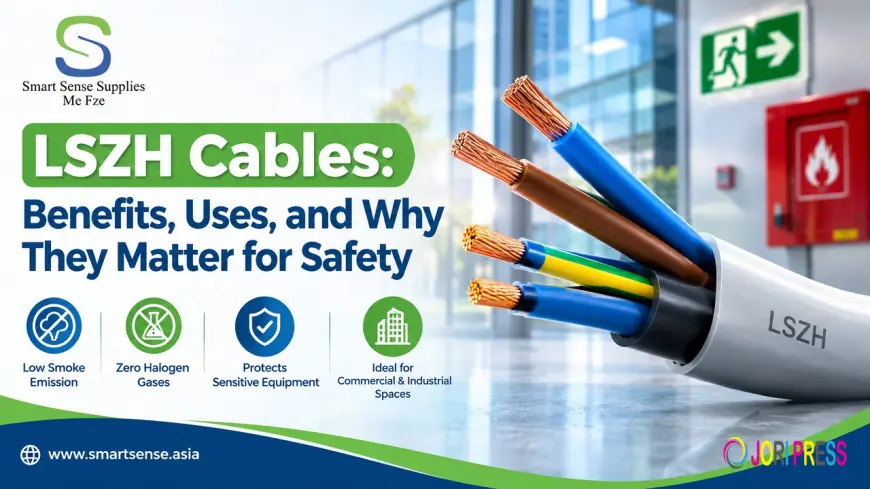
Electrical cables are an essential part of residential, commercial, and industrial buildings. Choosing the right type of cable is important for electrical performance, reliability, and safety. Among the available options, LSZH cables are widely used in environments where reducing smoke and hazardous gas emissions during a fire is a priority.
LSZH stands for Low Smoke Zero Halogen. These cables are designed to release limited smoke and no significant amounts of halogen acid gases when exposed to fire, subject to the cable's tested specifications. Understanding their features, benefits, and applications can help contractors, electricians, and project managers make informed decisions.
What Are LSZH Cables?
LSZH cables are electrical cables manufactured with insulation or sheathing materials formulated to produce low smoke and minimal halogen-free emissions under fire conditions. Unlike conventional PVC cables, which can release hydrogen chloride gas when burned, LSZH cable materials are designed to avoid halogen acid gas emissions.
Reduced smoke can help improve visibility during an emergency, while lower levels of corrosive gases can help protect sensitive equipment and electrical components. However, LSZH cables are not fireproof, and their performance depends on the specific cable design and applicable test standards.
Key Benefits of LSZH Cables
1. Reduced Smoke Emissions
One of the main benefits of LSZH cables is their low smoke production during a fire. Heavy smoke can make it difficult for occupants to find emergency exits and for rescue teams to navigate a building.
LSZH cables are designed to reduce smoke emissions, making them a suitable option for enclosed spaces where visibility during an emergency is important.
2. Lower Halogen Acid Gas Emissions
Some traditional cable materials release halogen-containing gases when exposed to high temperatures or fire. These gases can be harmful and may contribute to corrosion of nearby equipment.
LSZH cable compounds are designed to produce very low levels of smoke and no significant halogen acid gas emissions under specified test conditions. This feature is particularly useful in locations containing electronic systems and sensitive equipment.
3. Improved Protection for Sensitive Equipment
Smoke and corrosive gases can damage electrical systems, computers, communication equipment, and other electronic devices. By reducing these emissions, LSZH cables can help limit certain types of secondary damage during a fire.
This is an important consideration for data centres, control rooms, telecommunications facilities, and other environments where equipment reliability is essential.
4. Suitable for Enclosed Public Spaces
LSZH cables are often considered for buildings and facilities where large numbers of people may need to evacuate during an emergency. Their smoke and gas emission characteristics can support broader fire safety measures.
However, overall building safety also depends on fire detection systems, emergency exits, ventilation, and compliance with applicable building regulations.
Common Applications of LSZH Cables
LSZH cables are used across various industries, depending on their electrical ratings, construction, and performance certifications.
- Commercial buildings: Offices, shopping centres, hotels, and other indoor environments may use LSZH cables where low smoke and halogen-free properties are specified.
- Hospitals and healthcare facilities: These environments contain sensitive medical equipment and require careful consideration of electrical and fire safety requirements.
- Data centres and server rooms: LSZH cables can help reduce the potential impact of corrosive smoke on electronic equipment.
- Railway and transport infrastructure: Underground stations, tunnels, airports, and railway facilities may specify LSZH cables for certain installations.
- Industrial facilities: Control rooms, communication systems, and specialised installations may benefit from low-smoke cable materials.
- Residential buildings: LSZH cables may be selected for apartments and other residential projects when required by the project specification or local regulations.
The suitability of a cable should always be confirmed against the installation environment and the relevant technical requirements.
LSZH Cables vs PVC Cables: What Is the Difference?
The main difference between LSZH and PVC cables is the behaviour of their material compounds when exposed to fire.
PVC cables are widely used because of their versatility, availability, and established applications. However, PVC materials generally contain chlorine and can release hydrogen chloride gas during combustion.
LSZH cables use specially formulated compounds designed to produce less smoke and minimal halogen acid gas emissions. They are often preferred where these characteristics are required.
Neither cable type is automatically the best choice for every installation. Factors such as cost, temperature rating, flexibility, mechanical strength, and applicable fire performance standards should be considered before selecting a cable.
How to Choose the Right LSZH Cables
Before purchasing LSZH cables, consider the following factors:
- Application requirements: Identify whether the cable is intended for power distribution, control systems, instrumentation, or data transmission.
- Voltage rating: Ensure the cable meets the electrical requirements of the installation.
- Fire performance: Check whether low-smoke, halogen-free, flame-retardant, or fire-resistant properties are required. These terms describe different characteristics.
- Applicable standards: Review the relevant test reports, product certifications, and project specifications.
- Installation conditions: Consider the operating temperature, moisture exposure, mechanical protection, and installation method.
- Supplier reliability: Obtain clear technical datasheets and verify that the supplied product matches the specified requirements.
These checks help ensure that the selected cable is suitable for its intended purpose.
Conclusion
LSZH cables play an important role in electrical installations where low smoke emissions and reduced halogen acid gas emissions are priorities. They are commonly considered for commercial buildings, healthcare facilities, transport infrastructure, data centres, and other enclosed environments.
Understanding the differences between LSZH and conventional PVC cables helps buyers make informed decisions based on safety requirements, technical specifications, and project conditions.
For businesses and contractors sourcing electrical products in the UAE, Smart Sense Supplies provides access to electrical and cable-related products.
What's Your Reaction?
 Like
0
 Dislike
0
 Love
0
 Funny
0
 Angry
0
 Sad
0
 Wow
0