







































Low Solar Generation in Monsoon? Here’s How Smart Homes Manage It
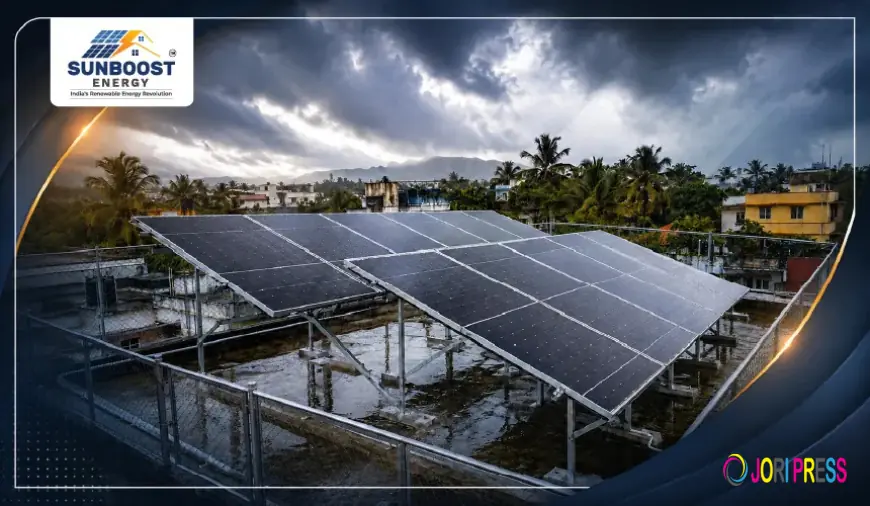
Monsoon brings welcome relief from the summer heat, but it can also leave solar homeowners wondering why their system is producing less electricity. When the sky stays cloudy for several hours, solar generation naturally comes down because the panels receive less direct sunlight.
This does not mean your solar system has stopped working, or that installing solar was the wrong decision. Solar panels continue generating power from available daylight, including diffused sunlight passing through clouds. The key is to understand seasonal changes and manage household electricity accordingly.
Why Does Solar Generation Drop During Monsoon?
Solar panels produce the most electricity when they receive strong, direct sunlight. During the rainy season, thick clouds reduce the amount of sunlight reaching the panels. As a result, daily production may be lower than on a clear summer day.
Generation can also be affected by:
- Continuous cloud cover
- Water stains, dust or bird droppings on panels
- Shade from nearby trees or buildings
- Poor roof orientation or panel placement
- Inverter or wiring problems
- Limited sunlight hours during heavy rain
Some variations are completely normal. However, a sharp or continuous drop may need professional inspection.
1. Smart Homes Shift Electricity Use to Better Generation Hours
Solar production may be lower during monsoon, but it usually does not remain the same throughout the day. Homes can still receive useful solar generation when the cloud cover becomes lighter.
Smart households schedule high-consumption appliances during periods of better daylight. Washing machines, water pumps, dishwashers, and other appliances can be used between late morning and afternoon when possible.
Running several heavy appliances together during low-generation hours may increase dependence on grid electricity. Spreading their use across the day can help households consume more of the solar electricity produced on the roof.
2. They Monitor Daily Generation Instead of Guessing
Most modern solar inverters provide an application or monitoring portal. It allows homeowners to check how much electricity the system is generating and whether its performance has changed.
Monitoring helps you compare clear, cloudy, and rainy days. It can also reveal unusual problems. For example, if generation stays extremely low even after the weather improves, there may be an issue with the inverter, wiring or an individual panel.
A professionally designed Rooftop Solar System should include suitable monitoring so homeowners can understand performance without climbing onto the roof.
3. They Consider the Full Year’s Performance
One rainy day should not be used to judge the success of a solar installation. Solar generation changes throughout the year based on weather, daylight hours, temperature and local site conditions.
Indian homes often generate more solar electricity during sunnier months and less during periods of heavy cloud cover. The stronger months can help balance lower monsoon output when performance is assessed annually.
Before installation, ask your solar provider for a realistic yearly generation estimate. Monthly production will rarely be identical, so be careful with anyone promising the same output in every season.
4. They Keep Panels Clean, but Avoid Unnecessary Cleaning
Rain can wash away loose dust from solar panels, but it may not remove sticky dirt, bird droppings or stains. In some areas, dirt collects around the panel edges after repeated rainfall and drying.
Panels should be checked after long spells of bad weather, but there is no need to clean them every time it rains. Cleaning should be carried out safely, preferably by trained professionals when roof access is difficult.
Never step onto a wet roof or use harsh chemicals on the panels. Safe cleaning and periodic inspection can protect both the system and the person handling it.
5. They Use Battery Storage Where It Makes Practical Sense
A solar battery can store extra electricity generated during brighter hours for use later. This can be helpful when evening electricity use is high or when grid interruptions are common.
However, a battery does not create additional electricity during cloudy weather. Its value depends on how much excess solar electricity is available to store, the household’s consumption pattern and the required backup duration.
Before adding a battery, review your electricity bills, daytime usage and backup needs. The battery should be selected for a clear purpose rather than simply added because it is available.
6. They Avoid Common Design and Installation Problems
Low monsoon generation is not always caused by the weather. Poor panel direction, avoidable shading, undersized wiring, loose connections or an unsuitable inverter can reduce system performance in every season.
Many Solar Mistakes begin before installation, when homeowners choose a system based only on price or accept a standard design without a proper site assessment.
The roof structure, shade pattern, household electricity use and local conditions should all be reviewed before deciding the panel layout and system capacity.
7. They Know When to Request a System Inspection
A temporary reduction during cloudy weather is normal. You should consider requesting an inspection if:
- Generation remains unusually low after sunny weather returns
- The inverter shows an error or warning
- Monitoring data suddenly becomes unavailable
- Water enters electrical components
- Cables, mounting parts or panels appear damaged
- One part of the panel array performs differently from the rest
Do not open the inverter or touch exposed electrical parts yourself. Solar systems produce electricity whenever light reaches the panels, so repairs should be handled by a qualified technician.
For a clearer explanation of seasonal performance, you can also read our guide to Solar in Monsoon.
Make Your Solar System Work Smarter Through Every Season
Lower solar generation during monsoon is expected, but it can be managed. Monitor your system, move flexible electricity use to daylight hours, keep the panels in good condition and assess performance across the full year.
If the drop seems unusually high, Sunboost Energy can assess your roof, electricity consumption and current system performance to identify the right next step.
What's Your Reaction?
 Like
0
Like
0
 Dislike
0
Dislike
0
 Love
0
Love
0
 Funny
0
Funny
0
 Angry
0
Angry
0
 Sad
0
Sad
0
 Wow
0
Wow
0