































The Complete Guide to Puppy Harnesses, Puppy Collars, and Dog Leads: Choosing the Best Start for Your Growing Pup
In this guide, we’ll explore how to choose the best gear for comfort, safety, and training success — and why quality matters more than you might think.

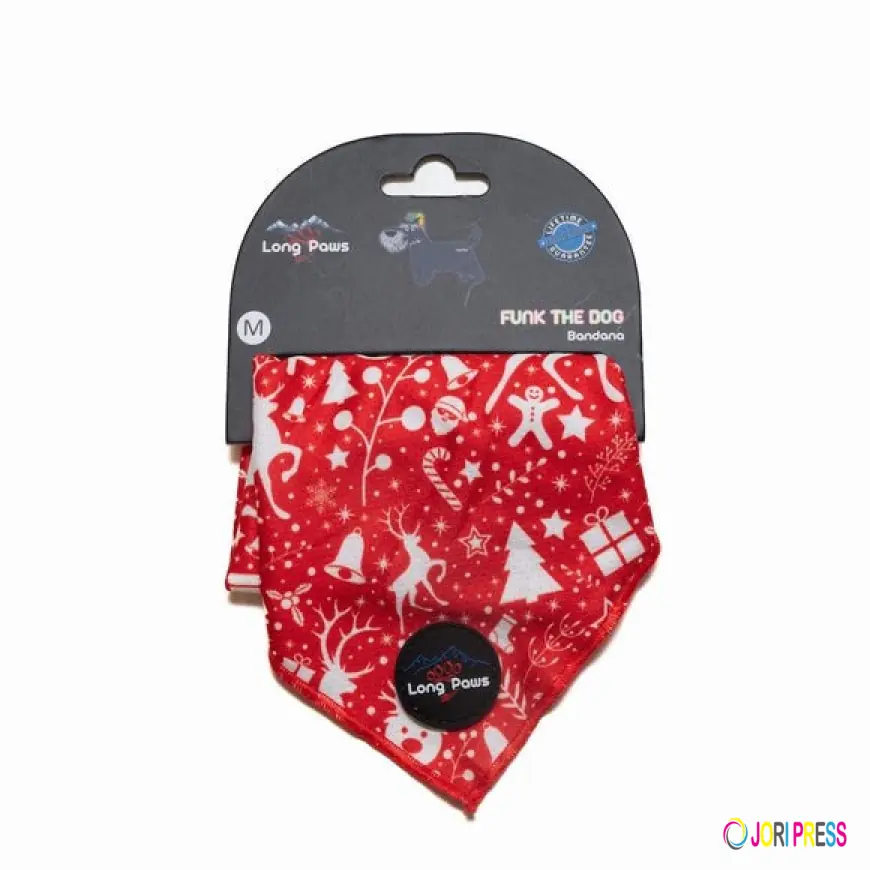
Bringing home a new puppy is an exciting milestone. From the first walk around the block to early training sessions in the park, every experience shapes your dog’s confidence and behaviour. One of the most important early decisions you’ll make is choosing the right walking equipment. With so many options available, understanding the benefits of puppy harnesses, puppy collars, and dog leads will help you set your pup up for a lifetime of safe and happy adventures.
Why Puppy Harnesses Are a Smart First Choice
Many new dog owners start with collars, but puppy harnesses offer several advantages, especially for young and energetic dogs still learning to walk on a lead.
Unlike collars, which put pressure on the neck, harnesses distribute force evenly across the chest and shoulders. This is particularly important for puppies whose bones and muscles are still developing. If your pup pulls or suddenly lunges toward something exciting, a harness helps reduce strain and minimises the risk of injury.
Modern puppy harnesses are also designed with comfort in mind. Look for features such as:
-
Adjustable straps for a snug but flexible fit
-
Soft, breathable padding
-
Secure buckles that are easy to fasten
-
Lightweight materials suitable for small breeds
Harness training can also make walks more enjoyable. Many puppies respond better when they feel supported rather than restricted around the neck. For nervous or rescue pups, a well-fitted harness can provide an added sense of security.
The Role of Puppy Collars in Everyday Life
While harnesses are excellent for walks, puppy collars remain an essential accessory. A collar serves as a practical place to attach identification tags, which are crucial should your puppy ever wander off.
When selecting puppy collars, prioritise:
-
Adjustable sizing to accommodate growth
-
Soft, non-irritating materials
-
Strong yet lightweight hardware
-
Secure fastening mechanisms
Puppies grow quickly, so it’s important to check the fit regularly. You should be able to slip two fingers comfortably between the collar and your puppy’s neck. A collar that’s too tight can cause discomfort, while one that’s too loose may slip off.
Stylish designs are a bonus, but functionality and safety come first. A well-made collar can withstand daily wear while keeping your puppy comfortable during play and rest.
Choosing the Right Dog Leads for Training and Control
No walking setup is complete without reliable dog leads. The lead connects you to your puppy, providing guidance, communication, and safety during outings.
There are several types of dog leads to consider:
1. Standard Fixed-Length Leads
Ideal for everyday walks, these provide consistent control and are excellent for training loose-lead walking.
2. Training Leads
Often longer and adjustable, these are useful for recall practice and giving your puppy more freedom in safe environments.
3. Lightweight Leads for Small Puppies
Designed with smaller breeds in mind, these prevent unnecessary strain while maintaining durability.
When choosing dog leads, pay attention to material quality and handle comfort. Padded handles can make longer walks more pleasant, especially as your puppy grows stronger. Strong stitching and secure clips are also essential for safety.
Harness or Collar: Which Should You Use for Walks?
Many owners wonder whether they should use puppy harnesses or puppy collars for daily walks. The answer often depends on your puppy’s behaviour and training stage.
For most young dogs, a harness is the better option for structured walks and training sessions. It offers improved control and reduces neck pressure. However, collars remain important for identification and can be suitable for calm puppies who walk nicely on a lead.
Some owners use both — a collar for tags and a harness for attaching dog leads during walks. This combination provides the best of both worlds: safety and comfort.
Supporting Positive Training from Day One
Early training is about building trust and communication. The right walking equipment plays a surprisingly large role in this process.
Ill-fitting puppy collars or uncomfortable puppy harnesses can cause frustration, leading to pulling, resistance, or anxiety. In contrast, well-designed gear encourages positive associations with walks and exploration.
Here are a few tips to make the most of your equipment:
-
Introduce new gear gradually with treats and praise
-
Practice short indoor sessions before heading outside
-
Regularly inspect harnesses, collars, and dog leads for wear and tear
-
Adjust sizing frequently during growth spurts
Consistency and comfort go hand in hand when raising a confident pup.
Investing in Quality for Long-Term Benefits
While it may be tempting to choose the cheapest option available, investing in high-quality puppy harnesses, puppy collars, and dog leads often saves money in the long run. Durable materials withstand daily use, while thoughtful design reduces the need for constant replacements.
More importantly, quality equipment protects your puppy’s health and enhances your shared experiences. Every walk becomes an opportunity for bonding, training, and exploration.
Final Thoughts
Your puppy’s early months are filled with discovery. By carefully selecting supportive puppy harnesses, reliable dog leads, and comfortable puppy collars, you create a foundation for safe and enjoyable adventures together.
The right gear doesn’t just make walks easier — it strengthens the connection between you and your dog. Choose thoughtfully, prioritise comfort and safety, and watch your puppy grow into a confident, happy companion ready to explore the world by your side.
What's Your Reaction?
 Like
0
Like
0
 Dislike
0
Dislike
0
 Love
0
Love
0
 Funny
0
Funny
0
 Angry
0
Angry
0
 Sad
0
Sad
0
 Wow
0
Wow
0