









































Is Fire Extinguisher Powder Toxic? FireMaster Restorations Explains Health Risks and Safe Cleanup
Is fire extinguisher powder toxic? Discover potential health risks, exposure precautions, and proper cleanup methods after a fire.
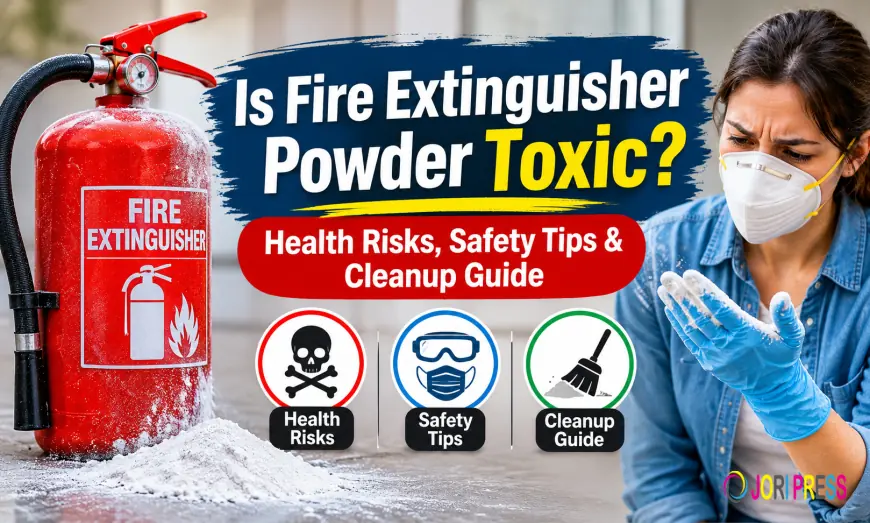
ATLANTA, GA – Using a fire extinguisher can help control a fire quickly, but the powder left behind can create another challenge for homeowners and property owners. After the flames are extinguished, fine chemical residue may remain on floors, furniture, appliances, and other surfaces.
Is fire extinguisher powder toxic? While many commonly used dry chemical extinguishing agents are not classified as highly poisonous under normal incidental exposure, they can irritate the eyes, skin, nose, throat, and respiratory system. The potential effects depend on the chemical formulation, exposure level, and individual sensitivity.
FireMaster Restorations has published a detailed educational guide explaining the potential health risks of fire extinguisher powder and important precautions to take after an extinguisher has been discharged.
Understanding Fire Extinguisher Powder
Many household fire extinguishers use dry chemical agents, including monoammonium phosphate or sodium bicarbonate, depending on the extinguisher type.
These powders are designed to interrupt the combustion process. However, once released, their fine particles can spread throughout an enclosed space and settle on surrounding surfaces.
Breathing in airborne residue may cause coughing, throat irritation, and respiratory discomfort. Direct contact can also irritate the eyes and skin.
Who Should Be More Careful Around Fire Extinguisher Residue?
Certain people and animals may be more vulnerable to airborne particles.
-
Children: Their smaller airways and frequent contact with floors and carpets make exposure a particular concern.
-
Older adults: People with existing respiratory vulnerabilities may experience more significant discomfort.
-
People with asthma or respiratory conditions: Airborne powder can aggravate breathing symptoms.
-
Pets: Dogs and cats may walk through residue and ingest it while grooming. Birds can be particularly sensitive to airborne contaminants.
People and pets should be moved away from contaminated areas until the space has been appropriately cleaned.
What Should You Do After a Fire Extinguisher Is Used?
Taking the right precautions can help reduce unnecessary exposure.
-
Move people and pets away from the affected area.
-
Ventilate the space when it is safe to do so.
-
Turn off HVAC circulation if it could spread airborne residue.
-
Avoid disturbing the powder unnecessarily.
-
Follow the extinguisher manufacturer's cleanup instructions and safety information.
-
Seek professional assistance when residue has spread extensively or entered ventilation systems.
Anyone experiencing breathing difficulty or serious symptoms should seek urgent medical attention.
Why Proper Fire Extinguisher Powder Cleanup Matters
Dry chemical residue can settle in difficult-to-reach areas, including carpets, furniture, electrical equipment, and ventilation systems.
Simply wiping everything with water may create additional problems. Some dry chemical agents can become difficult-to-remove residues when mixed with moisture.
The correct cleaning approach depends on the extinguishing agent and the affected materials.
Learn More About Fire Extinguisher Powder Health Risks
FireMaster Restorations has published a complete guide covering the health concerns associated with extinguisher powder, exposure precautions, and post-discharge cleanup considerations.
Read the full article:
About FireMaster Restorations
FireMaster Restorations provides fire damage restoration, smoke and soot cleanup, odor removal, structural repair, and related restoration services throughout Atlanta and surrounding communities.
For emergency restoration assistance, call (678) 644-1516.
What's Your Reaction?
 Like
0
 Dislike
0
 Love
0
 Funny
0
 Angry
0
 Sad
0
 Wow
0