








































How Can Structural Engineering Improve Building Safety and Durability?
A building should do more than look good. It must provide a safe place for people to live and work. It should also remain strong for years, even when exposed to heavy rain, strong winds, changing weather, and regular use.
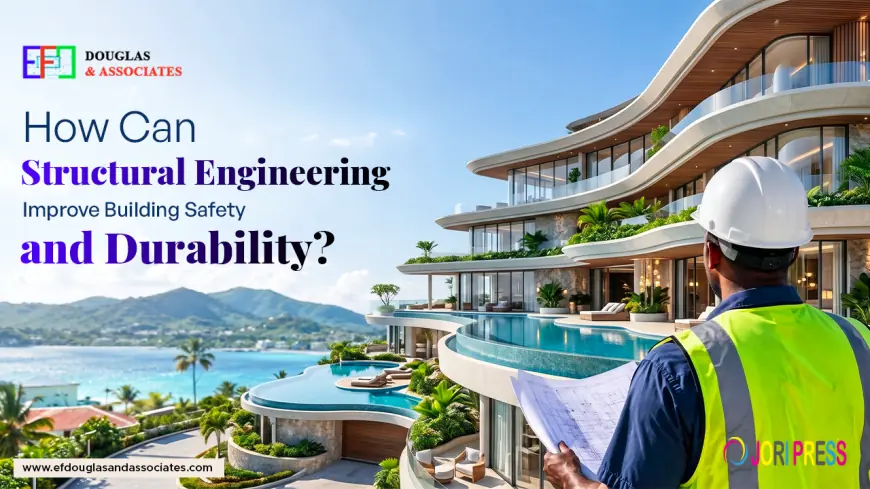
This is where structural engineering comes into the picture. It focuses on the strength and performance of a building. It helps engineers understand how different parts of a structure work together. They also learn what they need to withstand. From the foundation to the roof, every factor must be planned carefully.
Building Safety Starts with Good Preparation
Safety begins long before a project starts. A structural engineer consultant study the proposed design, site conditions, building use, and expected loads. They use this information to determine how the structure should be designed and which materials are suitable for the project.
Every building must carry its own weight, along with the weight of people and other things. It must also withstand outside forces such as wind. Engineers calculate these loads to determine the required strength of beams, columns, walls, and foundations.
Poor planning can lead to structural weaknesses and other problems. Careful design helps reduce these risks. It supports compliance with applicable building codes and safety standards.
Strong Foundations Support Long-Term Stability
The foundation transfers the building's weight safely to the ground. If it is not designed for the site's soil conditions and expected loads, the structure may experience uneven settlement. There can be cracks and movement.
These experts consider soil, groundwater conditions, building size, and the type of structure. Only after that do they recommend a foundation system. Depending on the project, this may involve shallow foundations and systems such as piles.
Proper groundwork design is important on sloping sites and in areas with difficult conditions. Early assessment helps identify potential problems before they affect the project.
Choosing Materials That Last
This will have a direct effect on building durability. Different materials respond differently to moisture, temperature changes, loads, and environmental exposure. Structural engineers select them according to the project's requirements. They also consider the climate and the conditions the building will face throughout its service life.
Correct material selection and proper design practices help reduce deterioration. They also support a longer service life and can lower the need for repairs.
Designing for Environmental Forces
Buildings must be designed for the conditions in which they stand. In the Caribbean, strong winds and coastal exposure can place considerable pressure on structures. Through professional structural engineering services, experts assess these risks and design suitable systems to transfer forces safely through the building and into the foundations. The positioning of structural walls and connections also plays an important role in how effectively a structure responds to these forces.
Drainage and water management also have to be considered. Water entering the structure can weaken materials over time. It can damage building components. Coordinating the design with drainage and waterproofing measures helps protect the building from damage.
These decisions are important for structures that must remain reliable in demanding weather conditions.
Regular Inspections Help Find Problems Early
Even a well-designed building needs proper maintenance. Weather exposure, everyday use, ageing materials, and changes to the property can affect its condition. Inspections help identify warning signs such as widening cracks and visible deformation. An engineer can assess if these signs indicate a concern and recommend suitable action.
They are also valuable before renovations and extensions. Removing a wall, adding another floor, or changing the use of a space can increase loads. It can affect the existing structure. An expert assessment helps determine what changes are safe and what strengthening work may be required.
Finding problems early can prevent deterioration and reduce the chance of repairs.
Building for the Future
Structural engineering is not just about making a building strong enough to stand today. It is about making decisions that support safety and performance for many years. Each stage contributes to the building's long-term condition. Planning can reduce risks. It can limit repair costs and protect the people who use the structure.
At EF Douglas & Associates, civil and structural engineering expertise supports residential, commercial, and infrastructure projects across the Caribbean. You may be planning a new development. Some of you may be thinking of assessing an existing building. Working with experienced engineering experts can help you make proper decisions at every stage.
A safer and more durable building starts with the right engineering decisions.
Structural engineering helps make sure that buildings remain safe and durable through careful planning, foundation design, material selection, and protection against environmental forces.
Regular inspections and timely maintenance help identify structural problems early, reduce repair costs, and extend a building’s service life.
EF Douglas & Associates provides civil and structural engineering expertise to support safer, more reliable residential, commercial, and infrastructure projects across the Caribbean.
What's Your Reaction?
 Like
0
 Dislike
0
 Love
0
 Funny
0
 Angry
0
 Sad
0
 Wow
0