








































Why Do We Breathe Faster When We Exercise?
Discover why breathing speeds up during exercise, how your body knows to respond, and what counts as normal breathlessness vs something worth a second look.
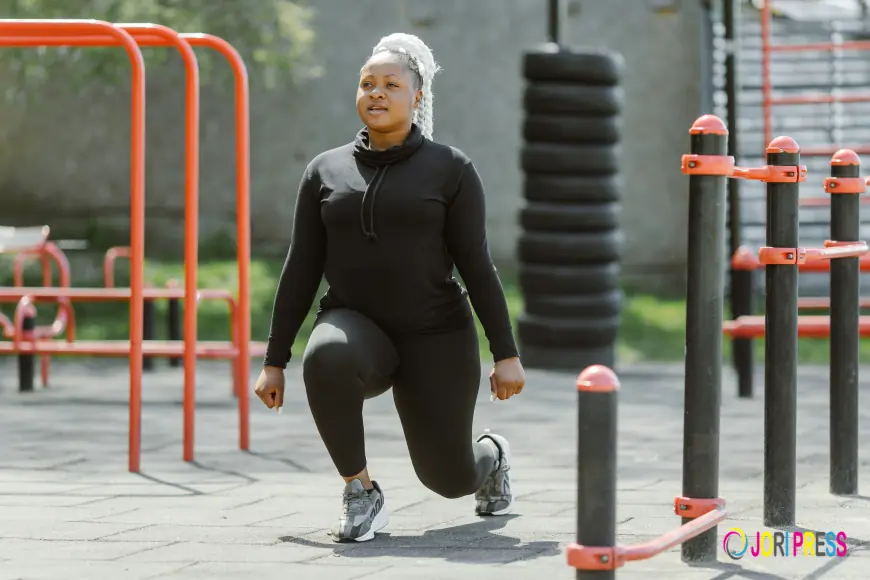
You're halfway up a hill, or three minutes into a run, and you suddenly become very aware of your own breathing. It's quick, it's loud, and it feels like it's running the show. A few minutes after you stop, it settles back to normal, almost as if nothing happened.
Most of us never stop to wonder why this happens. We just accept it as part of being out of breath. But the reason we breathe faster when we exercise is genuinely interesting, and it says a lot about how smart your body is. Even better, understanding it can help you tell the difference between healthy, normal breathlessness and the kind that deserves a second look.
Let's walk through what's actually going on inside your body, what counts as normal, and when your breathing might be trying to tell you something else.
The Short Answer
You breathe faster when you exercise because your muscles suddenly need much more oxygen and produce much more carbon dioxide. Your breathing speeds up, and gets deeper, to bring more oxygen in and clear the extra carbon dioxide out.
That's the simple version. The more interesting part is how your body knows to do it, and how quickly it responds.
What Your Muscles Need When You Move
Every cell in your body uses oxygen to turn food into usable energy. At rest, the demand is fairly modest, so a calm, steady breathing pattern is enough. For most healthy adults, that's somewhere around 12 to 20 breaths per minute.
When you start exercising, your muscles go from idling to working hard. They burn through energy much faster, which means they use up oxygen faster. And as a byproduct of making that energy, they release carbon dioxide into your blood.
Your body has to keep up with both sides of the equation: getting more oxygen in, and getting extra carbon dioxide out. The respiratory system and the heart work together to make that happen. Your heart pumps faster to move blood around, and your lungs move more air in and out to refresh that blood.
During intense exercise, breathing rate can climb well above the resting range, in some cases to 40 or more breaths per minute. At the same time, each breath gets deeper. That combination can increase the total amount of air moving through your lungs every minute many times over.
What Really Triggers Faster Breathing
Here's something that surprises a lot of people. You might assume your body speeds up your breathing because oxygen is running low. In healthy people, that's not actually the main trigger.
The biggest driver is carbon dioxide.
Your body's built-in sensors
Your body has specialized sensors, called chemoreceptors, that constantly monitor the chemistry of your blood. Some sit in the brainstem, and others sit in major blood vessels near your neck and chest. They're especially sensitive to rising carbon dioxide levels and the resulting change in acidity.
When you exercise, carbon dioxide builds up quickly. The sensors notice, and send signals to the part of your brain that controls breathing, located in the brainstem. That control center responds by telling your breathing muscles, mainly the diaphragm and the muscles between your ribs, to work harder and faster.
Your brain also anticipates
There's another piece to the puzzle. Your breathing often starts increasing before your blood chemistry has had time to change much. That's because your brain sends signals to your breathing center at the same time it tells your muscles to move. In other words, your body is anticipating the need, not just reacting to it.
Sensors in your muscles and joints add to this. As your limbs move, they send information to the brain that says, "We're working harder now." The breathing center combines all these signals and adjusts accordingly.
That's why your breathing picks up almost instantly when you start sprinting, rather than waiting for a delay.
What Happens Inside Your Lungs
Faster breathing is only part of the story. Your lungs make several clever adjustments during exercise:
More air per breath. Your chest expands further, so each breath carries more air. This is called tidal volume, and it increases as exercise intensity goes up.
More blood flow to the lungs. As your heart pumps harder, more blood passes through the tiny blood vessels around your air sacs. Areas of the lungs that are barely used at rest start getting involved.
Wider airways. During exercise, the airways open slightly wider, making it easier for air to move through.
Efficient gas swapping. In the millions of tiny air sacs (alveoli), oxygen passes into your blood and carbon dioxide passes out. With more air and more blood flow, this exchange becomes faster and more efficient.
Together, these changes let your respiratory system supply the extra oxygen your muscles demand, while clearing the carbon dioxide they produce.
Why You Keep Breathing Hard After You Stop
Have you ever noticed that you're still huffing and puffing for a minute or two after you've finished exercising? That's not a malfunction. It's part of recovery.
After exercise, your body still needs extra oxygen to restore its energy stores, clear the byproducts of hard work, and bring things back to baseline. Your carbon dioxide levels also take a little time to settle. Your breathing slows gradually as these processes wrap up.
How fast your breathing and heart rate return to normal is also a useful indicator of fitness. People who are more conditioned usually recover more quickly.
Why Fitter People Breathe Differently
Regular exercise changes how your respiratory system and body work together. Over time, fitter people often:
-
Breathe more efficiently, taking deeper breaths with less effort
-
Use oxygen more effectively in their muscles
-
Have a stronger heart that delivers oxygen with fewer beats
-
Recover faster after exertion
That doesn't mean the lungs themselves become dramatically bigger. Most of the improvement comes from better efficiency in the heart, blood vessels, and muscles, plus stronger breathing muscles. This is why the same walk that leaves a beginner gasping might barely register for an experienced athlete.
The American Lung Association highlights regular physical activity as one of the best ways to support lung health, since it helps your body use oxygen more efficiently and can make everyday breathing feel easier.
Normal Breathlessness vs. a Warning Sign
Getting out of breath during exercise is normal. But how much, and under what circumstances, matters.
Typically normal
-
Breathing hard during vigorous activity, such as running, cycling, or climbing steep stairs
-
Feeling breathless more than usual after taking a long break from exercise
-
Being able to recover within a few minutes of stopping
-
Breathing that quickens during exertion but doesn't feel frightening or painful
Worth paying attention to
-
Shortness of breath with very light activity, like walking slowly or getting dressed
-
Breathlessness when walking at a normal pace on flat ground, especially if it's new
-
Breathing that doesn't settle within a reasonable time after stopping
-
Wheezing, a whistling sound, or a tight chest during or after exercise
-
A cough that starts during exercise or lingers afterward
-
Chest pain, dizziness, or a feeling of faintness while exercising
-
A noticeable decline in your usual stamina over weeks or months
If you've noticed any of these, it doesn't mean something serious is wrong. Plenty of causes are easily managed, including low fitness, anxiety, allergies, or asthma. But it's a good reason to pay closer attention.
Exercise-Induced Breathing Problems
Some people experience breathing trouble specifically during or after physical activity. One common cause is exercise-induced bronchoconstriction, where the airways narrow in response to exercise, especially in cold, dry air. It can cause coughing, wheezing, chest tightness, and shortness of breath.
It's closely linked to asthma, though some people experience it without any other asthma symptoms. The condition is common, manageable, and well understood, and if you suspect it, a healthcare provider can help work out the cause and a plan.
The Mayo Clinic notes that exercise-induced breathing symptoms are common, and that proper evaluation can help people stay active safely.
Other possible reasons for unusual breathlessness during exercise include:
-
Anxiety or panic, which can cause fast, shallow breathing
-
Allergies and airway irritation
-
Poor physical conditioning
-
Anemia
-
Heart-related conditions
-
Chronic lung conditions such as COPD
-
Recent infections that have left the airways irritated
Because the causes vary so much, getting it checked is better than guessing, especially if the change is new or worsening.
Simple Ways to Breathe Better During Exercise
You don't need to overthink your breathing, but a few habits can help:
Warm up first. A gradual start gives your lungs and heart time to adjust, and may reduce the chance of airway irritation.
Pace yourself. If you can't talk in short sentences while exercising, you may be working harder than you intended. Slow down a little.
Breathe through your nose when you can. During lighter activity, nasal breathing helps warm and filter the air. Switch to mouth breathing as intensity increases.
Use your diaphragm. Belly breathing, where your stomach moves out as you inhale, allows deeper breaths than shallow chest breathing.
Take care in cold or polluted conditions. Cold, dry air and heavy pollution can irritate airways. On bad air days, consider exercising indoors.
Build up gradually. Increase your intensity and duration step by step, so your respiratory system can adapt.
Keeping an Eye on Your Respiratory Health
Your breathing during exercise can be a surprisingly good window into your overall respiratory health. Noticing how it changes over time, such as feeling more winded than you used to, is one of the earliest ways many people become aware of a developing issue.
Tools for keeping track of this have grown more accessible in recent years. One example is Kylunghealth (Know Your Lung Health), a platform that uses AI to analyze recorded cough sounds and provide an easy-to-read respiratory risk overview. It's a screening support tool, not a diagnostic device, and it's designed to complement professional care. If you've noticed a cough alongside changes in your breathing, a quick AI cough analysis can be one helpful way to decide whether it's worth talking to a doctor. You can also read more about shortness of breath and what may cause it.
When to Speak to a Doctor
Reach out to a healthcare provider if you experience:
-
Breathlessness that is new, worsening, or out of proportion to your activity
-
Wheezing or chest tightness during exercise
-
A cough that lasts more than three weeks
-
Chest pain or pressure
-
Dizziness or fainting during exertion
-
Blue-tinged lips or fingertips
If you ever experience severe difficulty breathing, chest pain, or confusion, seek emergency care immediately.
The National Heart, Lung, and Blood Institute offers reliable, plain-language resources on breathing and lung conditions, and it's a good starting point if you'd like to learn more.
Quick Answers to Common Questions
Why do we breathe faster when we exercise? Because your muscles use more oxygen and produce more carbon dioxide. Faster, deeper breathing brings in more oxygen and removes the extra carbon dioxide.
What triggers faster breathing during exercise? Mainly rising carbon dioxide levels, detected by sensors in the brain and blood vessels, along with signals from the brain and muscles that anticipate your body's increased demand.
How fast should you breathe during exercise? It varies by person and intensity. Resting rates are typically 12 to 20 breaths per minute for adults, and this can rise substantially, in some cases beyond 40 breaths per minute, during vigorous exercise.
Why am I still out of breath after I stop exercising? Your body needs extra oxygen to recover, restore energy stores, and clear byproducts. Breathing gradually returns to normal as this happens.
When is shortness of breath during exercise a problem? If it happens with very light activity, doesn't settle after resting, comes with wheezing, chest pain, or dizziness, or represents a noticeable change from your usual, it's worth getting checked.
The Takeaway
Breathing faster during exercise is one of the most natural, well-coordinated things your body does. Your muscles ask for more oxygen, your brain and blood chemistry sense the change, and your respiratory system answers in seconds, all without you having to think about it.
Understanding that process can make breathlessness feel a lot less mysterious. It can also help you recognize when your breathing is doing what it should, and when it might be worth paying closer attention. Either way, your lungs are working hard for you with every breath.
What's Your Reaction?
 Like
0
 Dislike
0
 Love
0
 Funny
0
 Angry
0
 Sad
0
 Wow
0