




































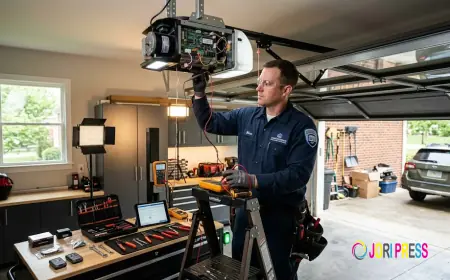




How to Improve Precision in CNC Machining
Learn how CNC machine tool accuracy is affected by tooling, materials, setup, cutting conditions, maintenance, and other key machining factors.
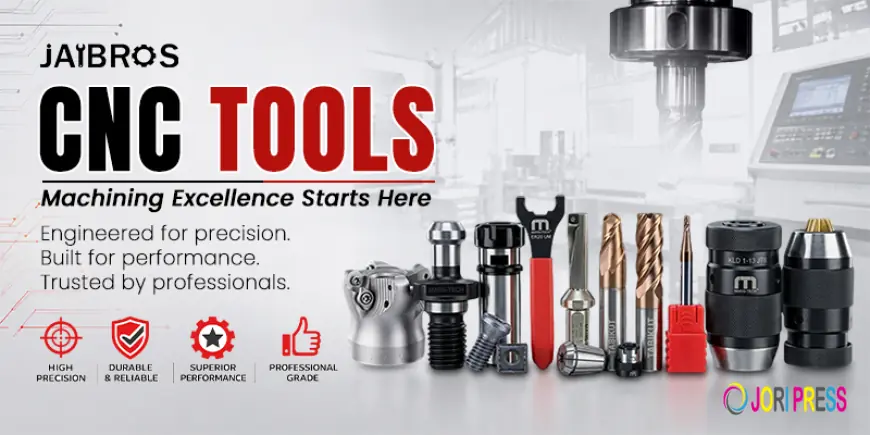
CNC Machine Tool Accuracy: Factors Affecting Precision
Introduction
Precision is one of the most important requirements in modern CNC machining. Even a small dimensional error can affect part assembly, surface finish, and overall product quality. The right CNC tool plays an important role in achieving accurate results, but machining precision also depends on machine condition, workholding, cutting parameters, material, and operator setup. Understanding these factors can help manufacturers reduce errors, improve consistency, and increase tool life.
What Determines CNC Machining Accuracy?
CNC machining accuracy is influenced by several connected factors. A high-quality machine may still produce inaccurate parts if the tooling is worn, the workpiece is not properly secured, or cutting parameters are unsuitable.
1. Tool Quality and Condition
The quality and condition of a CNC tool directly affect dimensional accuracy and surface finish. A worn cutting edge can create excessive cutting forces, vibration, and inconsistent material removal.
Different machining operations require different tools. For example, a carbide drill is commonly preferred for drilling applications because carbide offers high hardness and wear resistance. Similarly, a grooving insert should be selected according to the material, groove dimensions, and cutting conditions.
Regularly checking cutting edges and replacing worn tooling before it causes dimensional problems can help maintain consistent machining quality.
2. Machine Condition and Rigidity
Machine rigidity has a major effect on precision. Loose components, worn guideways, spindle problems, or excessive vibration can result in dimensional variation.
Regular machine maintenance and calibration are therefore essential. The spindle, axes, tool holders, and other mechanical components should be inspected periodically. A rigid machine structure also helps minimize vibration during heavy or high-speed cutting.
3. Correct Tool Setup
Even the best CNC tool can produce poor results when it is incorrectly installed. Tool runout, incorrect tool length, improper seating, and damaged holders can all affect machining accuracy.
Tool holders should be clean and properly tightened. Measurement instruments such as a filler gauge can also be useful for checking small gaps and clearances during machine setup and maintenance.
For applications requiring precise fastening, a torx screw may be used in suitable tooling and machine components because its star-shaped drive provides good engagement and helps reduce slipping during tightening.
4. Cutting Parameters
Spindle speed, feed rate, depth of cut, and coolant conditions all influence machining precision. Using excessively high feed rates can increase cutting forces, while unsuitable spindle speeds may generate heat or vibration.
The correct parameters depend on the workpiece material, tool geometry, machine capability, and machining operation. A CNC tool should therefore be used within the recommended cutting range rather than applying the same settings to every material.
Which CNC Tools Are Useful for Aluminum Machining?
Aluminum is relatively soft and lightweight, but machining it still requires the right tooling and cutting conditions. Tools with sharp cutting edges and suitable flute geometry can help prevent built-up material on the cutting edge.
Carbide tools are commonly used for aluminum because they provide good wear resistance and can support high cutting speeds. A suitable carbide drill can provide clean and consistent holes when the correct speed, feed, and coolant conditions are used.
Other useful options depend on the operation. A chamfer tool can create clean edges and remove sharp corners, while a knurling tool can produce a controlled textured pattern on cylindrical aluminum components. Tool geometry should always be selected according to the required finish and application.
Workholding and Material Stability
A stable workpiece is essential for accurate machining. If the component moves or vibrates during cutting, the final dimensions may differ from the programmed values.
Workholding pressure should be sufficient to secure the part without deforming it. The fixture, vise, chuck, or other holding system should also be properly aligned.
Material properties matter as well. Aluminum, steel, stainless steel, and other materials react differently to cutting forces and heat. Therefore, the same CNC tool and cutting parameters may not deliver identical results across different materials.
Tool Wear and Maintenance
Tool wear is unavoidable during machining, but monitoring it can prevent accuracy problems. As the cutting edge wears, cutting forces may increase and the machined dimensions can gradually change.
Operators should inspect tools regularly for chipped edges, wear marks, built-up material, or unusual surface finish. Replacing a worn CNC tool at the right time is generally more effective than continuing to machine until dimensional problems become visible.
At Jaibros, CNC tooling covers different machining requirements, making it important to select tools according to the material, operation, machine, and required tolerance rather than choosing only on tool size or price.
How to Maintain Consistent Machining Precision
Consistent accuracy requires more than selecting the right CNC tool. Machines should be calibrated regularly, tool offsets should be checked, and workholding should remain stable throughout production.
Coolant and lubrication should also be maintained properly because excessive heat can influence tool life and workpiece dimensions. Measuring finished components at suitable stages of production can help identify dimensional changes before they affect a large batch.
Conclusion
CNC machining accuracy depends on the interaction between tooling, machine condition, workholding, cutting parameters, material properties, and maintenance. Choosing the correct CNC tool for each operation is an important starting point, but accurate results require a complete machining approach. Proper setup, regular inspection, suitable cutting conditions, and timely tool replacement can help manufacturers achieve better precision, surface finish, and production consistency.
What's Your Reaction?
 Like
0
Like
0
 Dislike
0
Dislike
0
 Love
0
Love
0
 Funny
0
Funny
0
 Angry
0
Angry
0
 Sad
0
Sad
0
 Wow
0
Wow
0